



















Now Reading: 80% of ANRF research funds go to IITs, NITI Aayog report finds
-
01
80% of ANRF research funds go to IITs, NITI Aayog report finds



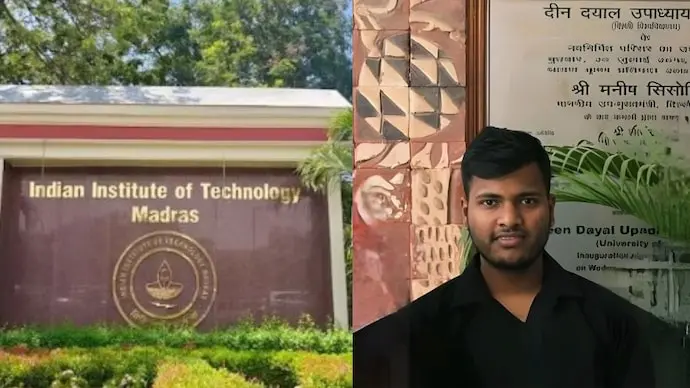
A NITI Aayog report on the ease of doing R&D in India has found that nearly 80% of funding under the Anusandhan National Research Foundation (ANRF) is concentrated in the IITs, despite the flagship body’s mandate to support a wider base of universities and research organisations. The report, based on a survey of over 400 institutional leaders and 850 scientists, also flagged that multiple central agencies may be funding overlapping research areas, leading to what it called an inefficient use of public money.

The report attributes the problem to a missing system that can track who is funded, by whom, for what, and whether the same grant has been given elsewhere. NITI Aayog has proposed a Unified Project Management System (UPMS) to streamline public R&D funding across ministries, but the report notes this does not directly address the need for a persistent digital identifier (PID) and metadata infrastructure. Other countries use a global system from Crossref that assigns unique IDs to funders, institutions, researchers, and grants, with over 2 lakh grants registered worldwide. India currently stores similar data across dozens of agency databases in inconsistent formats.
Indian Opinion Analysis
India’s R&D spending, at about 0.64% of GDP, has long been critiqued as both low and poorly targeted. The NITI Aayog findings mirror a 2021 CAG audit that flagged fragmented grant management and a lack of clear outcomes across 14 science agencies. The ANRF was set up in 2023 as a central body to fix this, yet the new data shows it is replicating the same IIT-centric pattern. A functioning PID and metadata system, already standard in the US and EU via Crossref, could be compulsory for all central grants within two years, a step the Department of Science and Technology has not yet formally committed to. The UPMS proposal is a foundation, but without the identifiers described, bulk grant data, like the 2 lakh global grants in Crossref, cannot be matched to Indian researchers, leaving duplication uncheckable.
Source: thehindu.com
This brief was synthesised by AI from the source linked above. Methodology and corrections.