Now Reading: 82 students fight for each IIT seat as exam leak reignites anger
-
01
82 students fight for each IIT seat as exam leak reignites anger



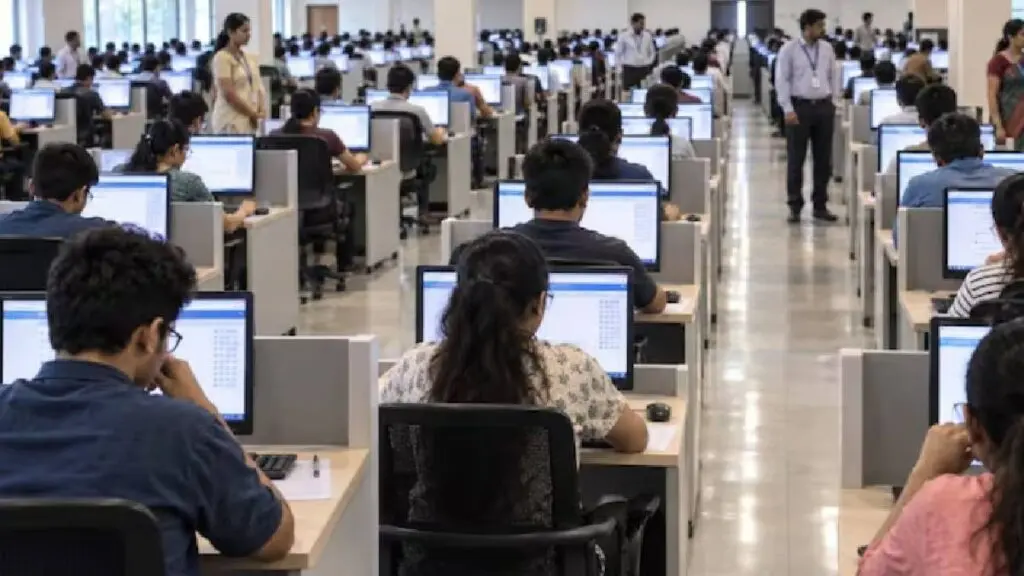
Competition for India's top engineering and medical seats remains brutal, with 82 applicants for every IIT seat and 14.6 test-takers for each MBBS place. The NEET-UG paper leak in May forced a…
The Story in Brief
Competition for India's top engineering and medical seats remains brutal, with 82 applicants for every IIT seat and 14.6 test-takers for each MBBS place. The NEET-UG paper leak in May forced a re-examination for 20 lakh candidates, triggered protests at Jantar Mantar led by the Cockroach Janta Party, and led to education minister Dharmendra Pradhan's resignation. The CBI has charged 13 people, including three NTA subject experts.
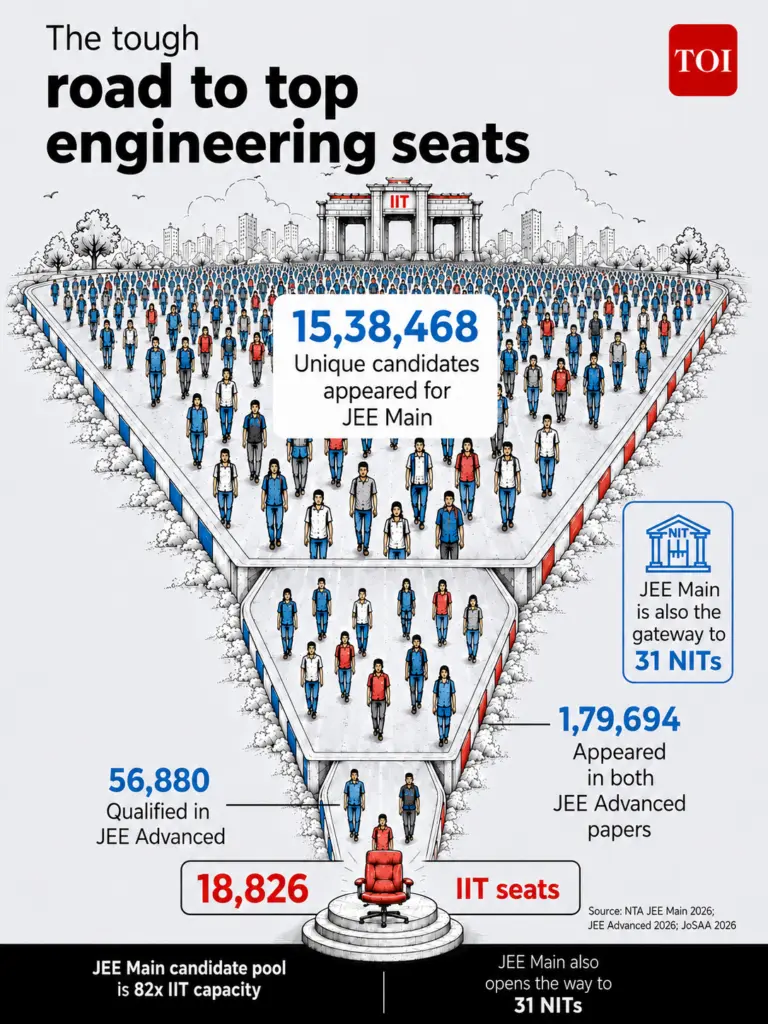
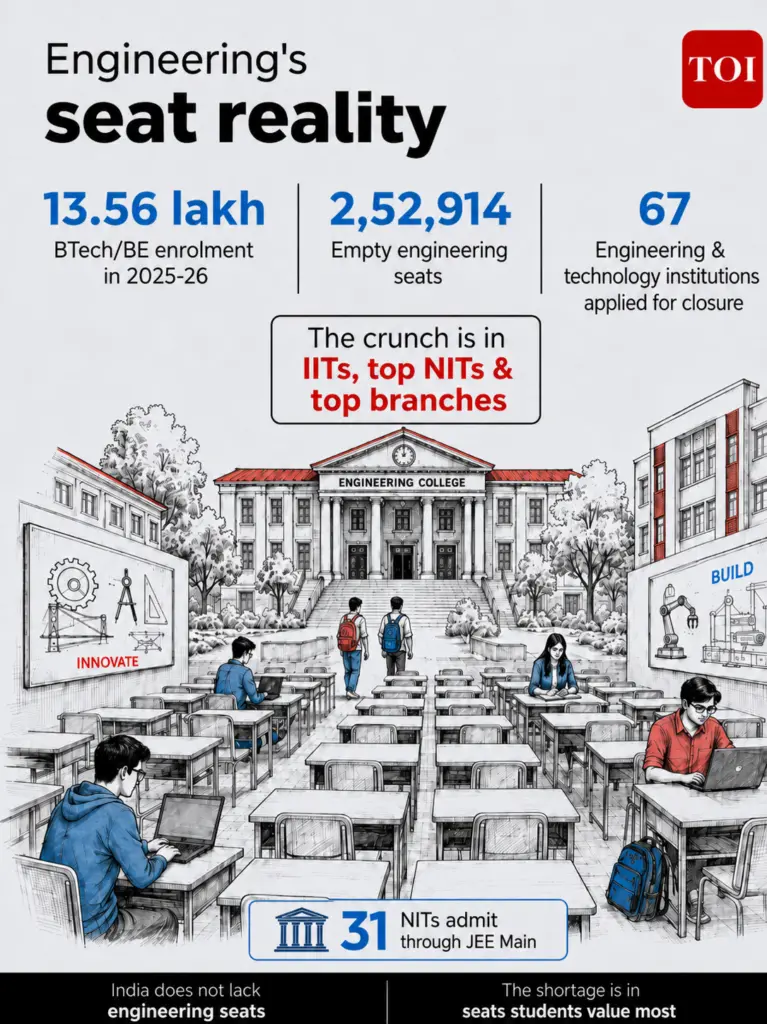
The JEE Main 2026 saw 15.4 lakh candidates compete for 18,826 IIT seats, while 2.1 lakh appeared for GATE Computer Science alone. In medicine, 20 lakh registered for NEET, with 11.2 lakh qualifying for the 1.37 lakh MBBS seats listed by the NMC. Meanwhile, 2.5 lakh engineering seats in AICTE-approved institutions remain empty, with 67 colleges closing, showing the demand is concentrated in top-tier institutions.
The Indian Opinion
The national chatter about leaking exam papers often skips the real problem: India produces plenty of engineers, but vanishingly few seats that anyone actually wants. The JEE Main pool of 15.4 lakh is 82 times the 18,826 IIT seats. NEET's 20 lakh test-takers chase 1.37 lakh MBBS places. The angry protests at Jantar Mantar are less about one leak and more about a system that funnels millions into a grotesquely narrow funnel. The test to watch now is whether the government will admit that expanding the top tier of colleges matters more than patching the testing agency.
Source: timesofindia.indiatimes.com
This story was synthesised by AI from the source linked above.