











Now Reading: A classic Tamil film tragedy is replayed in a nostalgic short story
-
01
A classic Tamil film tragedy is replayed in a nostalgic short story


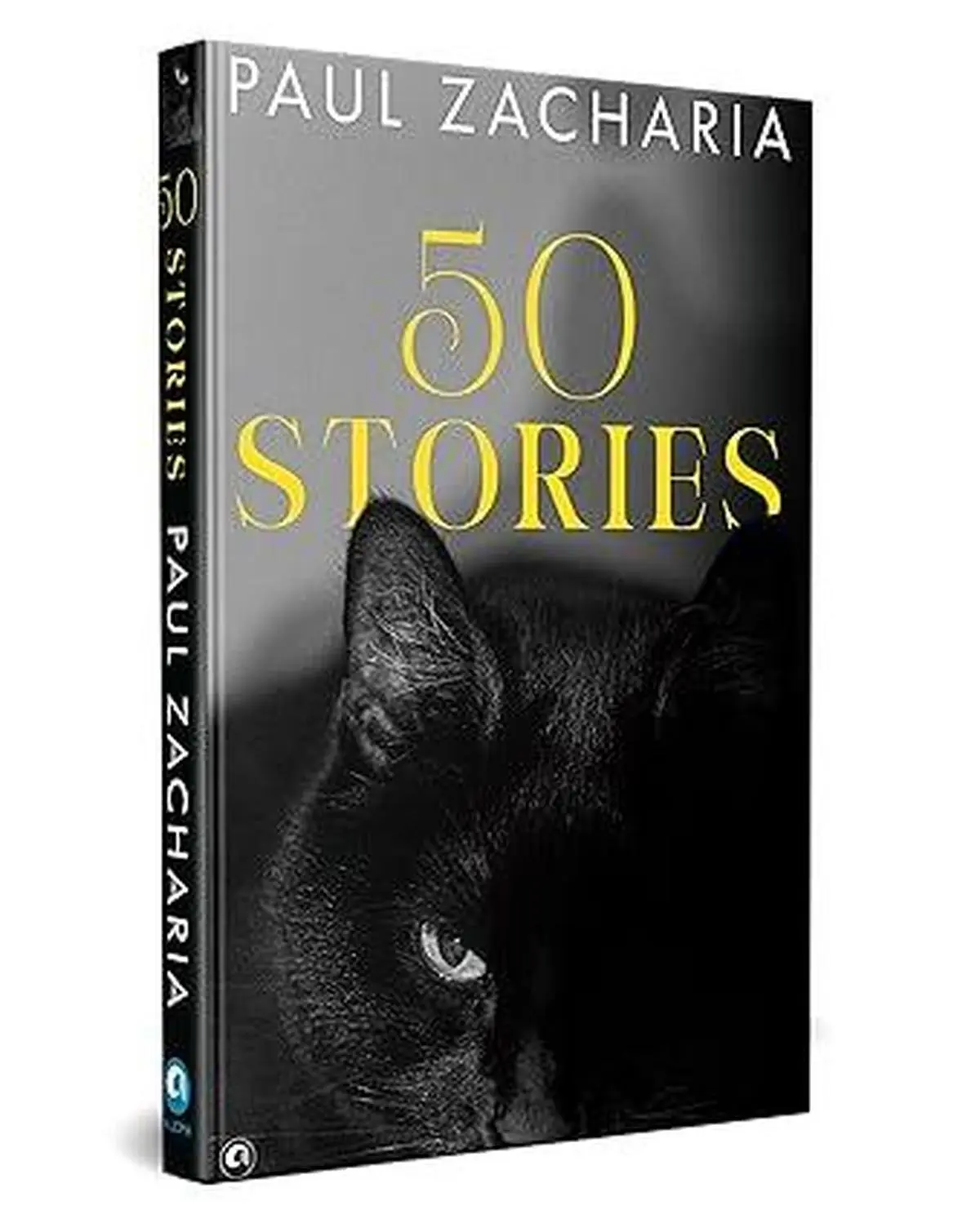
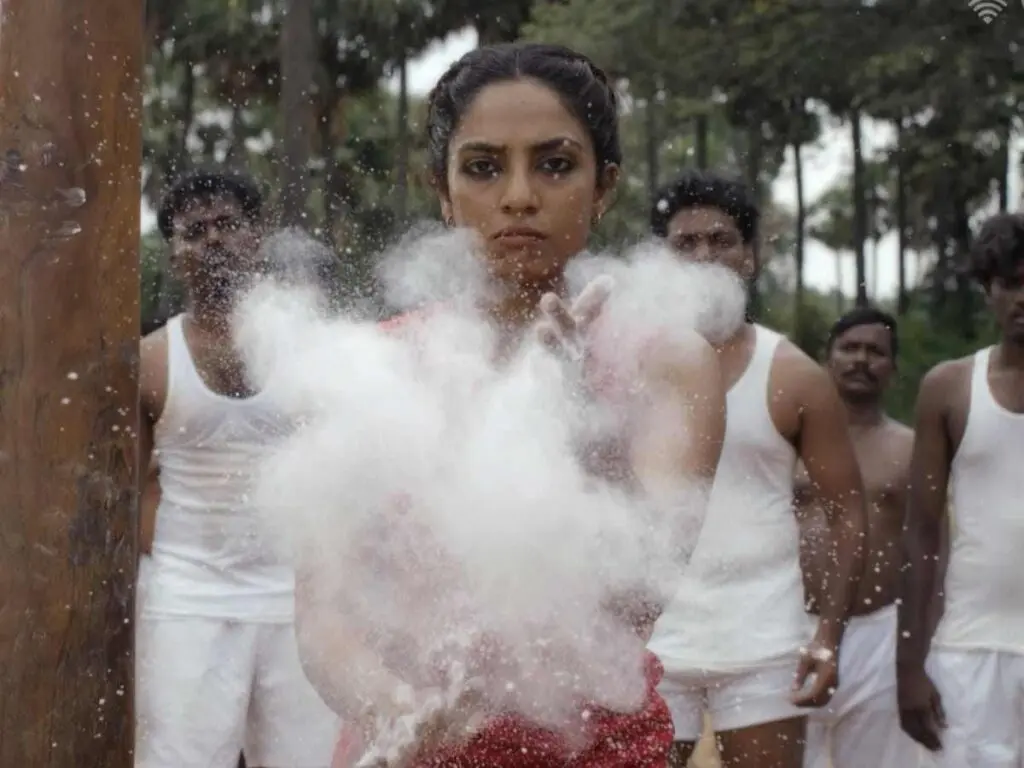
A short story titled 'The last show' by an unnamed author, published by Frontline, recounts a tragic Tamil film plot where a heroine takes poison believing her lover has abandoned her. The hero, a poor singer helped by the rich heroine, has distanced himself after discovering he has blood cancer. The heroine yields to her father's wish to marry another man, who is actually the doctor who diagnosed her lover's cancer.
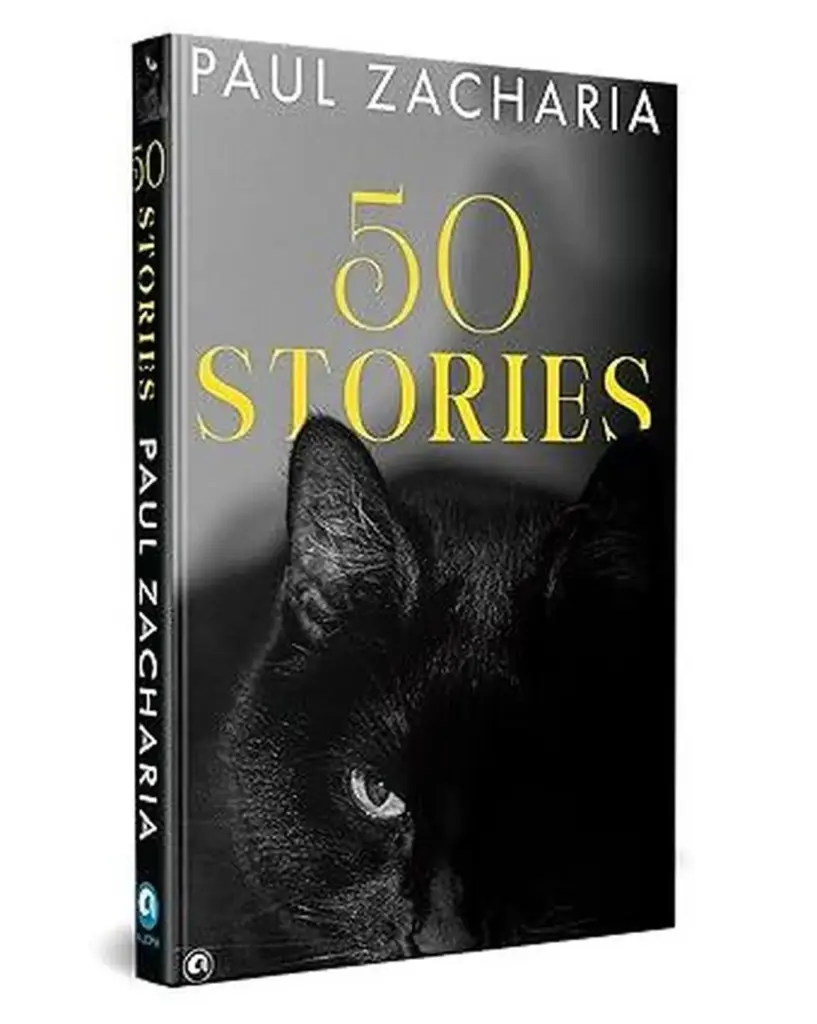
The story's narrator, after watching the film, visits the projectionist and pleads for alternative endings, suggesting stopping the film at the heroine's hopeful smile or changing reels to alter fate. The projectionist refuses, noting it was the last show and the reels must leave the next day. The story ends with the two men imagining a moon, clouds, and lightning as they close the peephole.
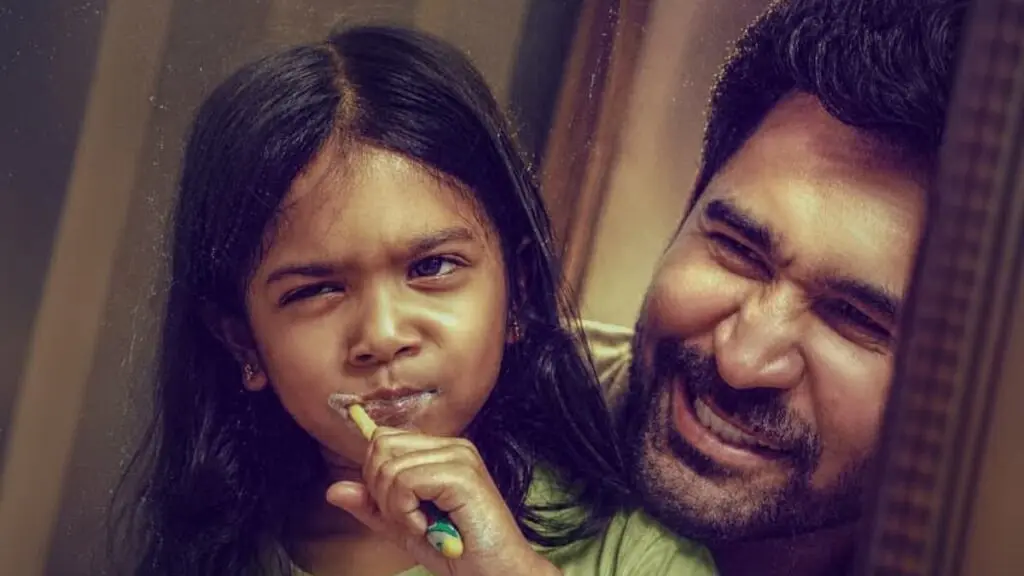
The piece, illustrated by Siddharth Sengupta, is selected by Mini Krishnan and reproduced courtesy of Aleph Book Company. It explores themes of missed chances and the power of cinema.
Indian Opinion Analysis
This literary piece uses the familiar trope of a doomed love story to reflect on the finality of film and, by extension, of life choices. The narrator's desperate plea to the projectionist mirrors a common audience wish to rewrite tragic endings, a sentiment amplified in the age of streaming where viewers often demand alternative conclusions. The closed tin boxes and the last show signal an era when films had a physical, finite life in single-screen theatres, now largely replaced by digital distribution. The story's melancholy tone underscores the loss of that communal, irreversible viewing experience.
The next thing to watch is whether such nostalgic short fiction, increasingly published by literary houses like Aleph Book Company, signals a renewed interest in preserving the history of regional Indian cinema and its storytelling traditions.
Source: frontline.thehindu.com
This story was synthesised by AI from the source linked above. Methodology and corrections.