















Now Reading: A tiny mirror solved the Atlantic telegraph’s weak signal problem
-
01
A tiny mirror solved the Atlantic telegraph’s weak signal problem

A tiny mirror solved the Atlantic telegraph’s weak signal problem


In 1854, physicist William Thomson (later Lord Kelvin) devised the mirror galvanometer to solve the problem of weak signals in long submarine telegraph cables. Instead of boosting electrical power at the sending…
The Story in Brief
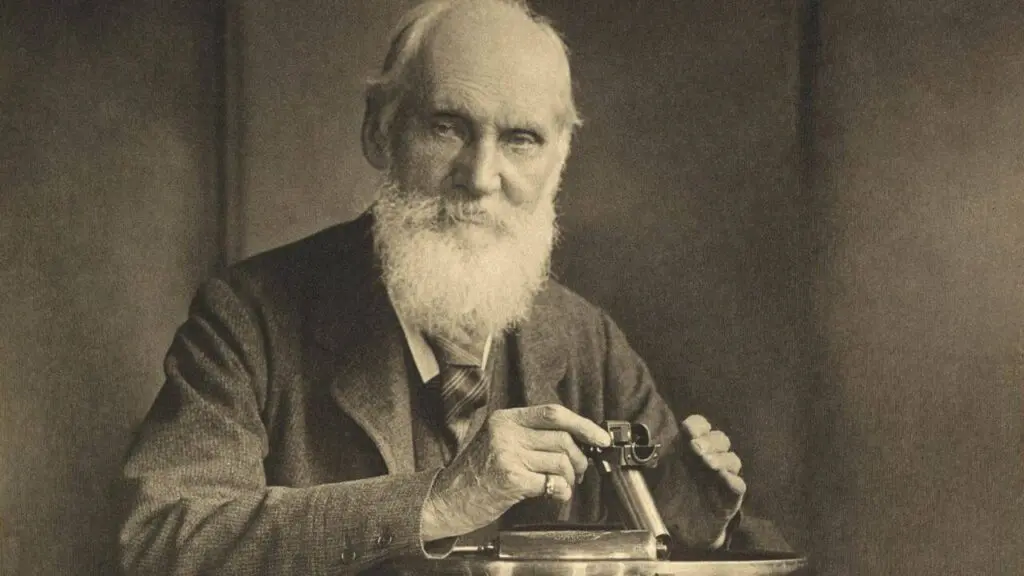
In 1854, physicist William Thomson (later Lord Kelvin) devised the mirror galvanometer to solve the problem of weak signals in long submarine telegraph cables. Instead of boosting electrical power at the sending end, Thomson created a tiny mirror attached to a magnet, suspended on silk threads inside a coil of wire. A faint electrical current moved the magnet, and a reflected beam of light magnified this movement, making it visible. This allowed operators to detect signals that conventional instruments missed. The device became crucial for the first durable transatlantic telegraph connection in 1866, which finally linked Europe and North America reliably, replacing dependence on ships for urgent news. The History of the Atlantic Cable & Undersea Communications notes Thomson patented the device in 1858.
The Indian Opinion
The story of the mirror galvanometer is often packaged as a lone genius triumphing over brute force. But the real lesson is subtler. Both Thomson's sensitivity and Whitehouse's power had their place; the cable's failure in 1858 was a systems collapse, not a simple victory of one philosophy. The concrete test of any grand technological narrative is not a single eureka moment, but whether the solution actually worked at scale for decades. The 1866 cable did. The question for today's boosterism around AI or quantum computing is the same: who is offering a mirror, and who is offering a bigger hammer?
Source: timesofindia.indiatimes.com
This story was synthesised by AI from the source linked above.