


















Now Reading: Aatidonji Dina celebrations double, sparking debate over tradition
-
01
Aatidonji Dina celebrations double, sparking debate over tradition


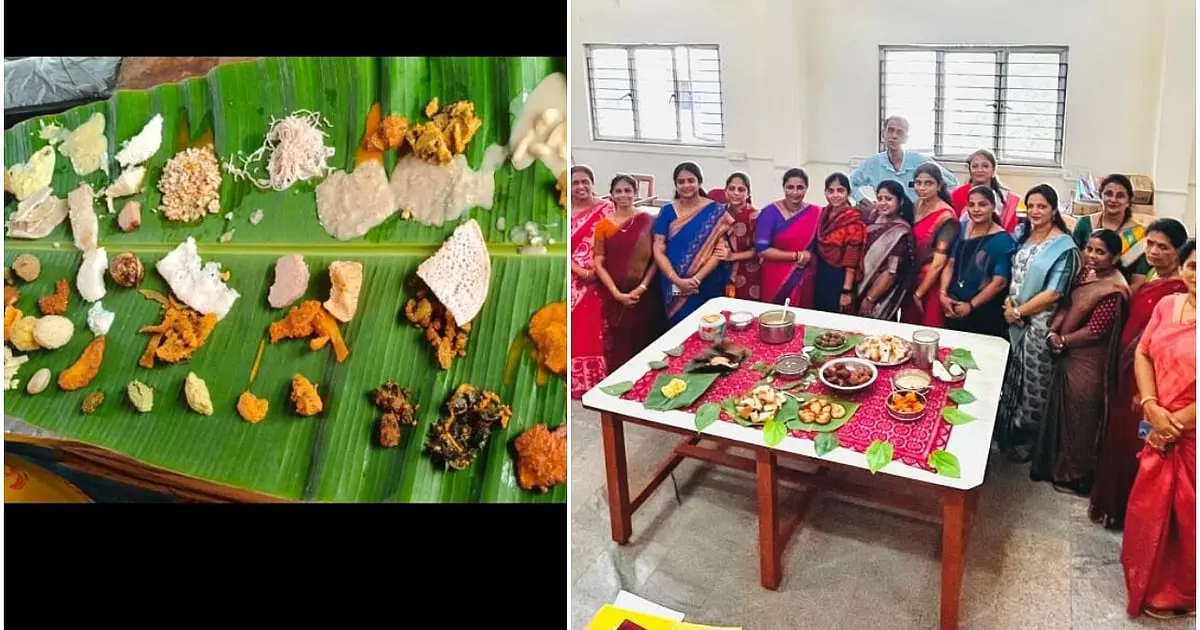
Aatidonji Dina celebrations doubled across Dakshina Kannada and Udupi this year, Karnataka Tulu Sahitya Academy chairman Tharanath Gatti Kapikad said. Schools, colleges, hospitals, hotels, banks, apartment associations and churches joined the events.
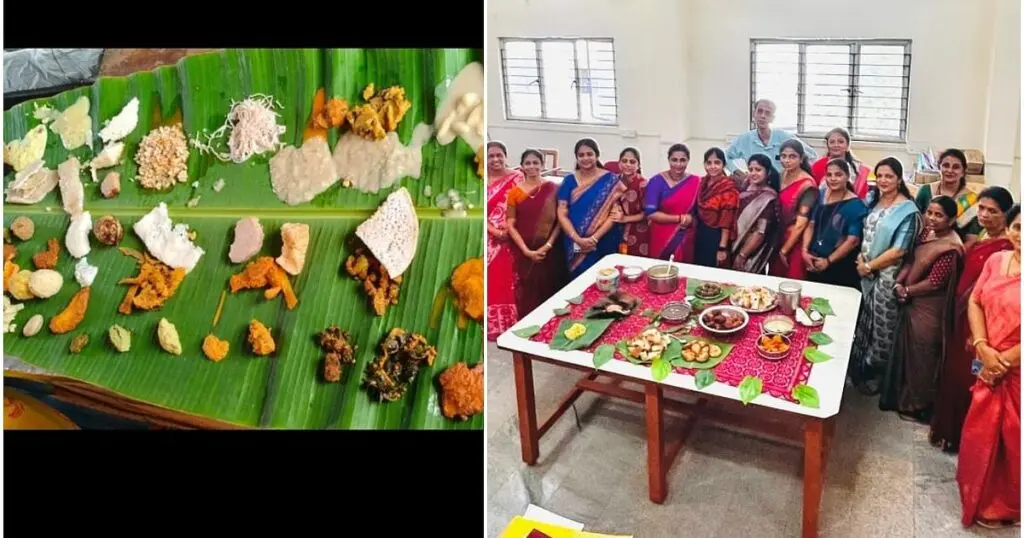
The festival recalls Aati, the fourth month of the Tulu calendar, when heavy rain, food scarcity and disease encouraged frugal living and the use of local plants. Organisers and cultural researchers said the celebrations were intended to preserve these practices and Tulu culture.
However, some events have turned into large food festivals. One event featured 80 dishes and another 109, while a menu also included chicken dishes that were once reserved for rare occasions. Kapikad suggested limiting the menu and extending activities over three or four weeks, including language, literature, farming and cultural programmes.
Indian Opinion Analysis
Tulu is mainly spoken along Karnataka’s coastal districts and parts of northern Kerala, where cultural practice has often been carried through oral traditions, songs and community ceremonies. A festival centred on seasonal knowledge can therefore serve two purposes: cultural education and local participation. The strongest test is whether organisers connect food displays with demonstrations, language sessions and farming activity rather than treating them as a one-day menu. Institutions planning future programmes will need to decide whether community involvement and practical learning become measurable parts of the event.
Source: deccanherald.com
This story was synthesised by AI from the source linked above. Methodology and corrections.