










Now Reading: Adani, Jindal and NTPC favour India’s 700MW nuclear reactors
-
01
Adani, Jindal and NTPC favour India’s 700MW nuclear reactors


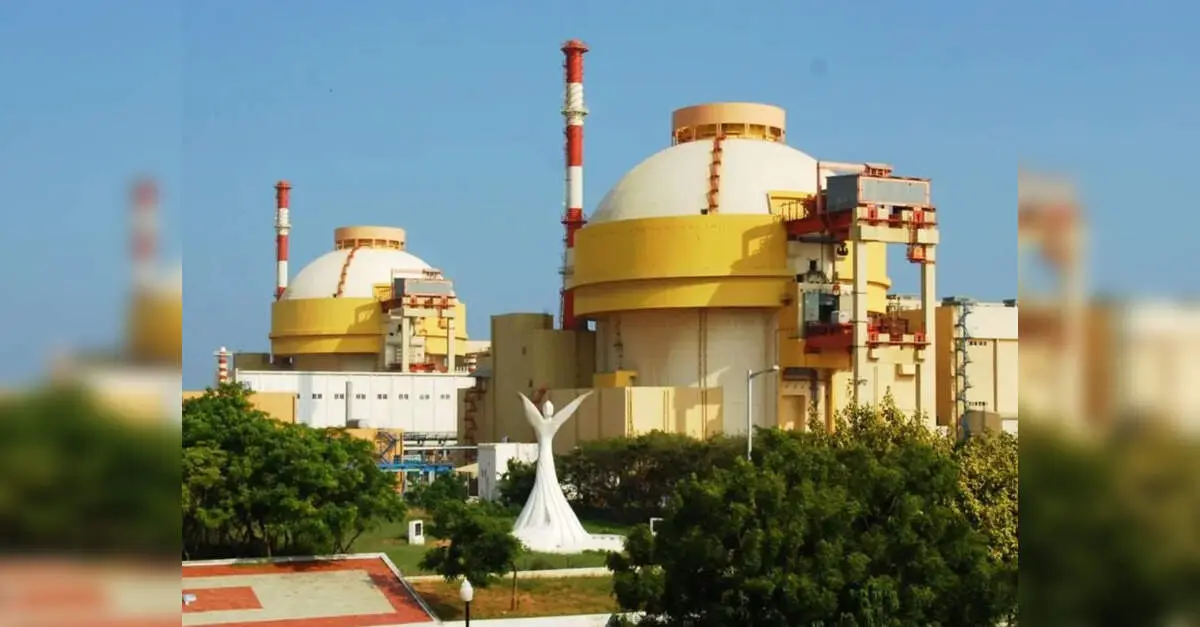
Adani Group, Jindal Steel and state-run NTPC are planning to use India’s standardised 700MW pressurised heavy water reactors for initial nuclear projects, Bloomberg reported, according to ET EnergyWorld. The companies are among several firms exploring captive nuclear plants as India targets 100GW of nuclear capacity by 2047, up from about 8.7GW now.
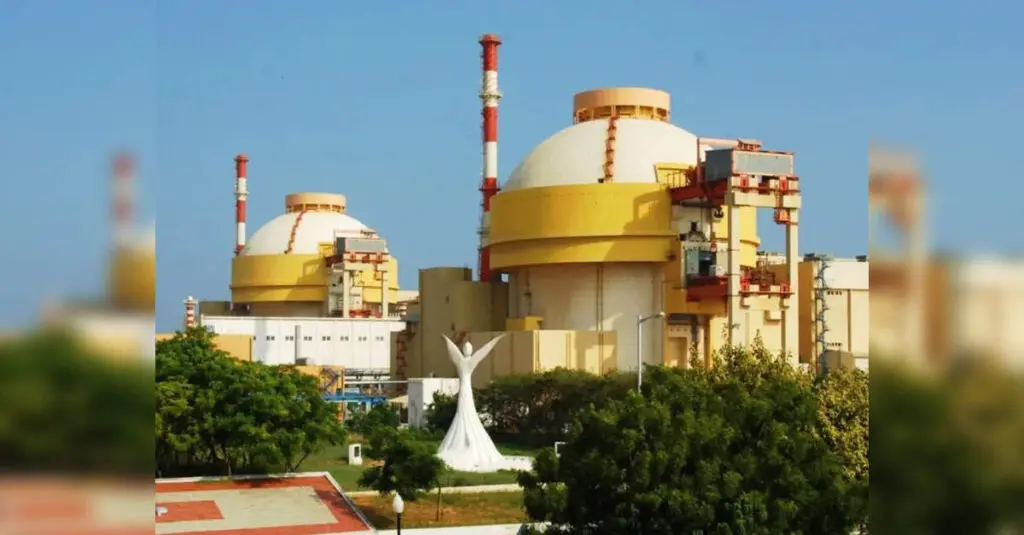
Adani Atomic Energy is targeting 10GW, Jindal Steel 18GW and NTPC 30GW by 2047. Jindal is also examining technology from Russia’s Rosatom and France’s EDF. Business Today reports that industry has sought clarity in the draft nuclear rules on foreign technology licensing, tariffs, standard power purchase agreements, FDI and exclusion zones. Firms say these gaps could affect financing and project timelines. The Department of Atomic Energy is considering some changes, including the exclusion zone, while tariff and FDI decisions are pending.
Indian Opinion Analysis
ET EnergyWorld’s account stresses the domestic reactor design, existing supply chain and corporate expansion targets, presenting localisation as a way to limit delays and cost overruns. Business Today instead centres on industry objections to the draft rules, especially the absence of tariff and power purchase agreement frameworks. The first account gives limited space to regulatory and financing risks, while the second does not examine in detail why the government favours domestic designs. The measured reading is that private participation has interest and stated capacity ambitions, but implementation depends on rules that settle technology, revenue and foreign investment questions. The next markers are the final regulations, tariff notification and FDI policy.
Coverage: 2 sources, 1 government-critical, 1 neutral
Sources (2): energy.economictimes.indiatimes.com (neutral report), businesstoday.in (government critical)
This story was synthesised by AI from the 2 sources linked above. Methodology and corrections.
Updated: this story now draws on 2 sources.