


















Now Reading: India proposes single licence, insurance for private nuclear plants
-
01
India proposes single licence, insurance for private nuclear plants



The Indian government has released the draft SHANTI Rules and Regulations, 2026 for public consultation, proposing a single composite licence for building, owning, operating and decommissioning nuclear plants. The rules allow private and foreign participation in the nuclear sector under the Sustainable Harnessing and Advancement of Nuclear Energy for Transforming India (SHANTI) Act, which replaced the Atomic Energy Act of 1962 and the Civil Liability for Nuclear Damage Act of 2010 in December last year.
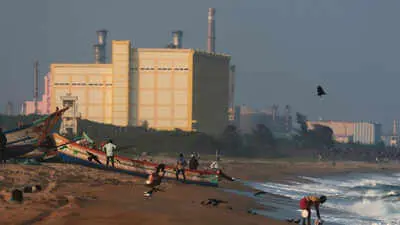
The draft rules require operators to maintain insurance or financial security, or a combination of both, for nuclear damage until spent fuel is removed from storage. A Nuclear Liability Fund, funded through a levy on operators, is also proposed. Foreign-designed reactors will be permitted only if approved and operational in a country of origin that is self-reliant in nuclear reactor design and supply chain ecosystem. The Times of India reports that the government has set a target of 100 GW of nuclear capacity by 2047, from 8.8 GW currently.
Prospective operators can seek in-principle approval before selecting a site or technology, though the approval can be revoked on grounds including national security. The rules require applicants to demonstrate financial, managerial and technical capabilities, including arrangements for assured fuel supplies, spent fuel and radioactive waste management. The Department of Atomic Energy has invited public comments until September 4, 2026.

Sources (2): timesofindia.indiatimes.com, energy.economictimes.indiatimes.com
This story was synthesised by AI from the 2 sources linked above. Methodology and corrections.
Updated: this story now draws on 2 sources.