













Now Reading: AI increased workload instead of easing it, tech professional says
-
01
AI increased workload instead of easing it, tech professional says



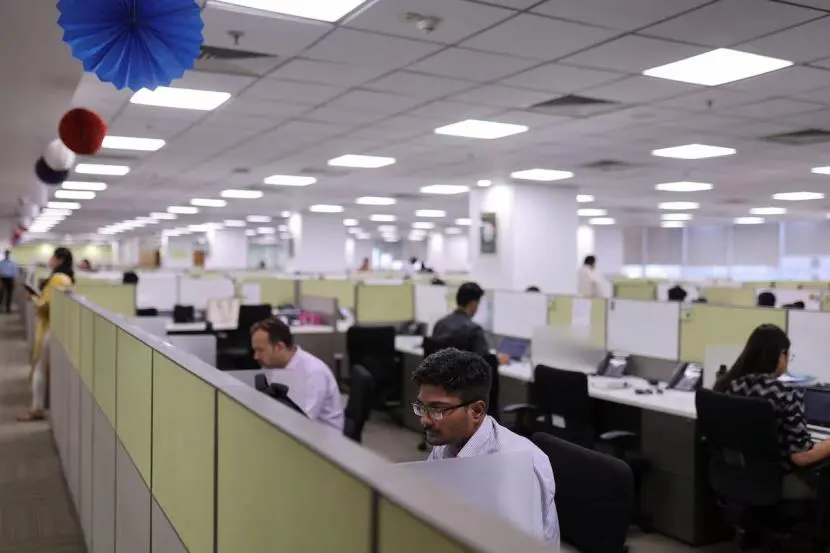
Bengaluru tech professional Rupali Tiwari has claimed that artificial intelligence has increased employee workload instead of making work easier. In an Instagram video, she said managers and team leads now expect workers to handle far more tasks because AI tools are available.
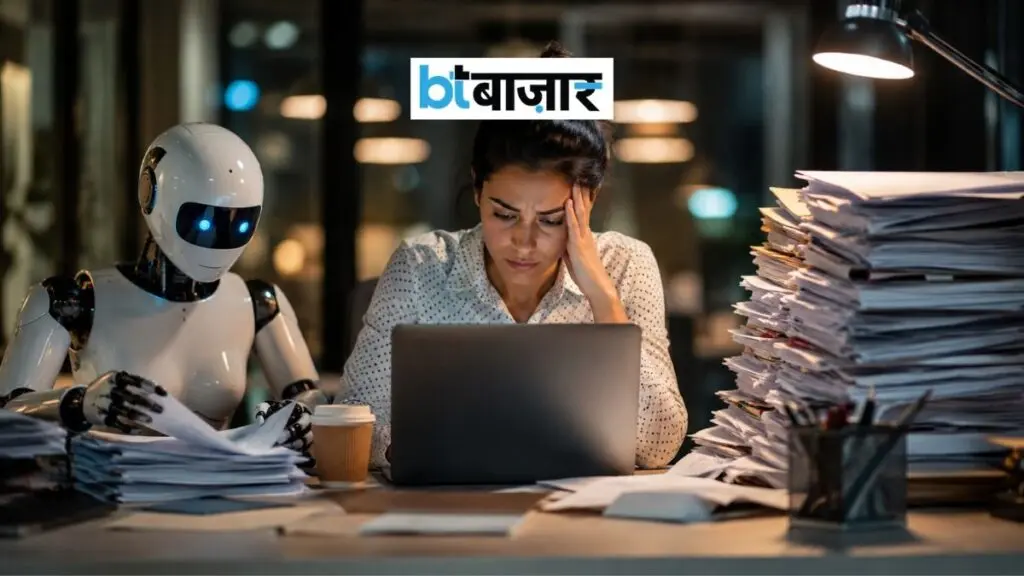
Tiwari said earlier an employee was assigned five tasks but now gets 20 to 25 tasks. She cited a software engineer friend who manages about 10 projects simultaneously, writing, reviewing and deploying code himself. Companies, she added, now expect 10 years of work to be completed in six months to a year.
Several users agreed with Tiwari's post. One said AI boosted productivity but also raised expectations, while another said the more AI, the higher the workload. The video ended with Tiwari asking whether this experience was limited to her company and the tech industry or shared by other employees.
Indian Opinion Analysis
This is a classic productivity paradox: new technology initially promised to reduce effort, but employers instead raised output targets. The phenomenon mirrors what happened after email and instant messaging, which blurred work hours and increased response expectations. For Indian tech employees, who already face long hours and high burnout rates, the pressure is compounded by global cost-cutting and the race to deploy AI faster than competitors. The real question is whether this trend will trigger a pushback in hiring practices or employee activism. Watch for industry-wide surveys on AI-related workload in the coming quarters.
Source: bazaar.businesstoday.in
This story was synthesised by AI from the source linked above. Methodology and corrections.