
















Now Reading: AI makes university model obsolete, says PM’s economic advisor Sanjeev Sanyal
-
01
AI makes university model obsolete, says PM’s economic advisor Sanjeev Sanyal

AI makes university model obsolete, says PM’s economic advisor Sanjeev Sanyal

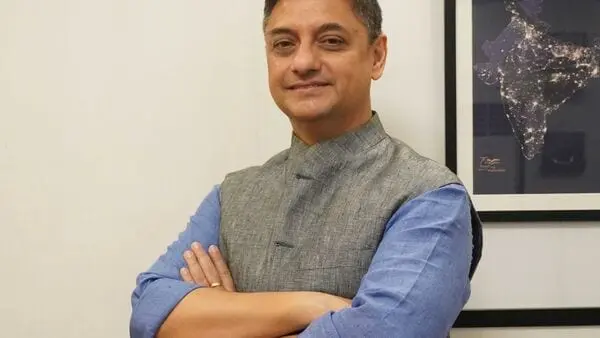
Sanjeev Sanyal, a full-time member of the Prime Minister's economic advisory council (EAC-PM), has said artificial intelligence is making the traditional university lecture model obsolete and that India's bigger problem is employability, not the lack of jobs. In an interview with Mint, Sanyal argued there is no evidence of India's unemployment rate rising and rejected the concept of jobless growth, saying no country has ever experienced sustained growth without job creation.
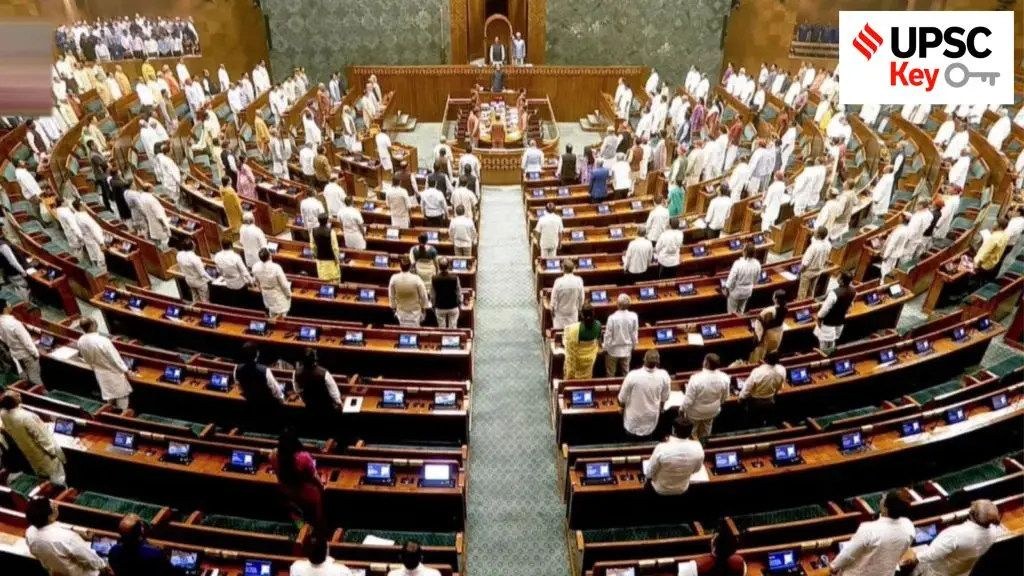
Sanyal said Indian universities must shift from classroom lectures to practical application, research and innovation. He suggested that young people could start work at age 18 and pursue degrees part-time, as knowledge is now freely available online and AI can serve as an effective teacher. He added that continuous retraining will be essential because AI will destroy some jobs while creating new ones.
According to Unesco, India's education spending remains below the National Education Policy 2020 target of 6% of GDP, standing at about 4.1%. Sanyal said industries in India report difficulty finding suitably qualified workers, reinforcing his argument that the crisis is about employability, not unemployment. India's overall unemployment rate for those aged 15 and above stood at 5.5% in June 2025.
Indian Opinion Analysis
The broader debate around employability versus unemployment in India often circles back to the skill gap that industries say makes many graduates unhireable, a persistent issue even as the government points to a steady formalisation of jobs via payroll data from the Employees' Provident Fund Organisation (EPFO). Sanyal's dismissal of jobless growth as a concept runs counter to a widely cited 2023 State of Working India report that found the country's GDP growth had not translated into commensurate formal job creation for a decade. What is at stake is India's demographic dividend: with over 65% of the population under 35, a mismatch between education output and market needs risks social and economic strain. The National Education Policy 2020 set a target of raising public education spending to 6% of GDP, but actual spending has remained around 4.1%, leaving universities underfunded to upgrade pedagogy. Watch for the upcoming Union Budget and its allocation for education and skilling programmes, which will signal whether the government intends to tackle the employability gap with more than just rhetoric.
Source: livemint.com
This story was synthesised by AI from the source linked above. Methodology and corrections.