















Now Reading: AI sentries achieve near-100% success in Kerala wildlife conflict zones
-
01
AI sentries achieve near-100% success in Kerala wildlife conflict zones

AI sentries achieve near-100% success in Kerala wildlife conflict zones

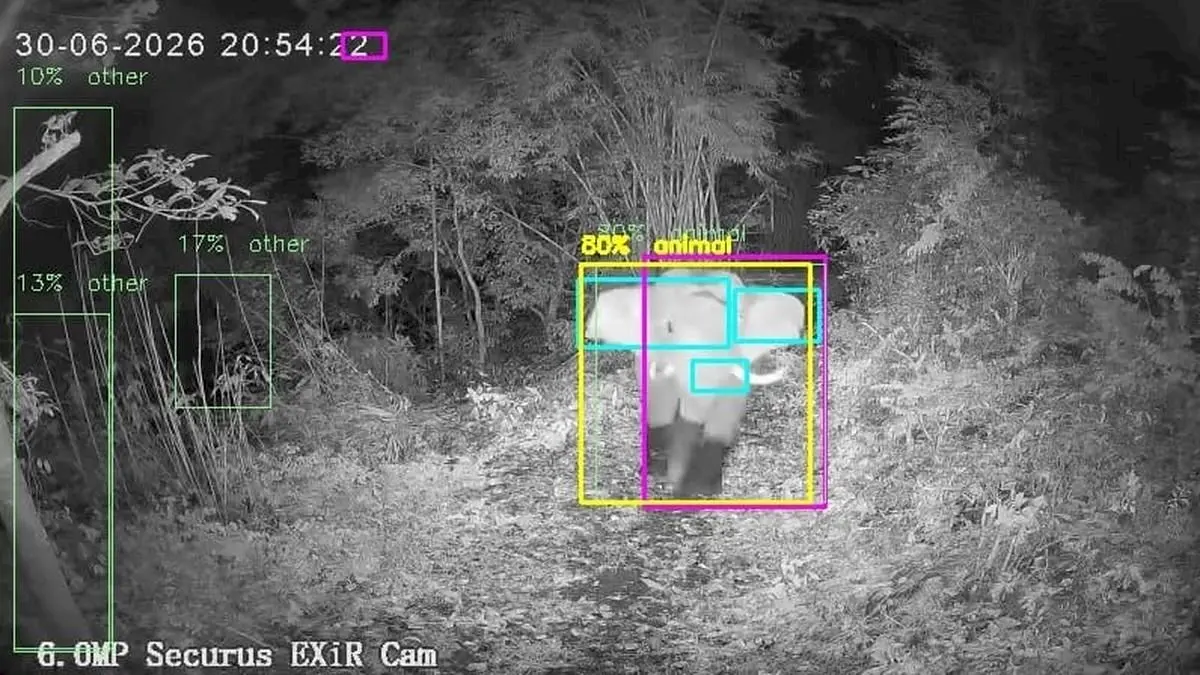
Kerala’s Forest Department has deployed AI-driven ‘Farmguard’ digital sentries across six high-risk forest fringes, reporting a near-100% success rate in deterring wild animals. The units use night-vision cameras and machine learning to…
The Story in Brief
Kerala’s Forest Department has deployed AI-driven ‘Farmguard’ digital sentries across six high-risk forest fringes, reporting a near-100% success rate in deterring wild animals. The units use night-vision cameras and machine learning to identify species like elephants, leopards, and bears within a 200-metre radius, then trigger alerts via SMS, WhatsApp, and Telegram to forest teams. An acoustic defence system cycles through varied sounds, from machine gun fire to low-frequency infrasound, to prevent habituation.
Villagers in Kulathupuzha say elephant incursions have stopped since installation two months ago. Officials note challenges: the system works best on flat terrain, dust and canopy affect performance, and long-term durability remains unproven. Expansion to more hotspots is under consideration.
The Indian Opinion
The system’s early success is welcome, but the narrative of a tech fix risks ignoring deeper causes. Habitat loss and shrinking corridors push animals into villages, and no algorithm can reverse that. The real test will come in the monsoon: can solar-powered units handle clouds and canopy? And will the state budget for maintenance across rugged terrain? A single breakdown in a hotspot could revive the very fear the sentries are meant to erase.
Source: thehindu.com
This story was synthesised by AI from the source linked above.