








Now Reading: Air India pilot slept 35 minutes, delayed PAN PAN call for over an hour
-
01
Air India pilot slept 35 minutes, delayed PAN PAN call for over an hour

Air India pilot slept 35 minutes, delayed PAN PAN call for over an hour

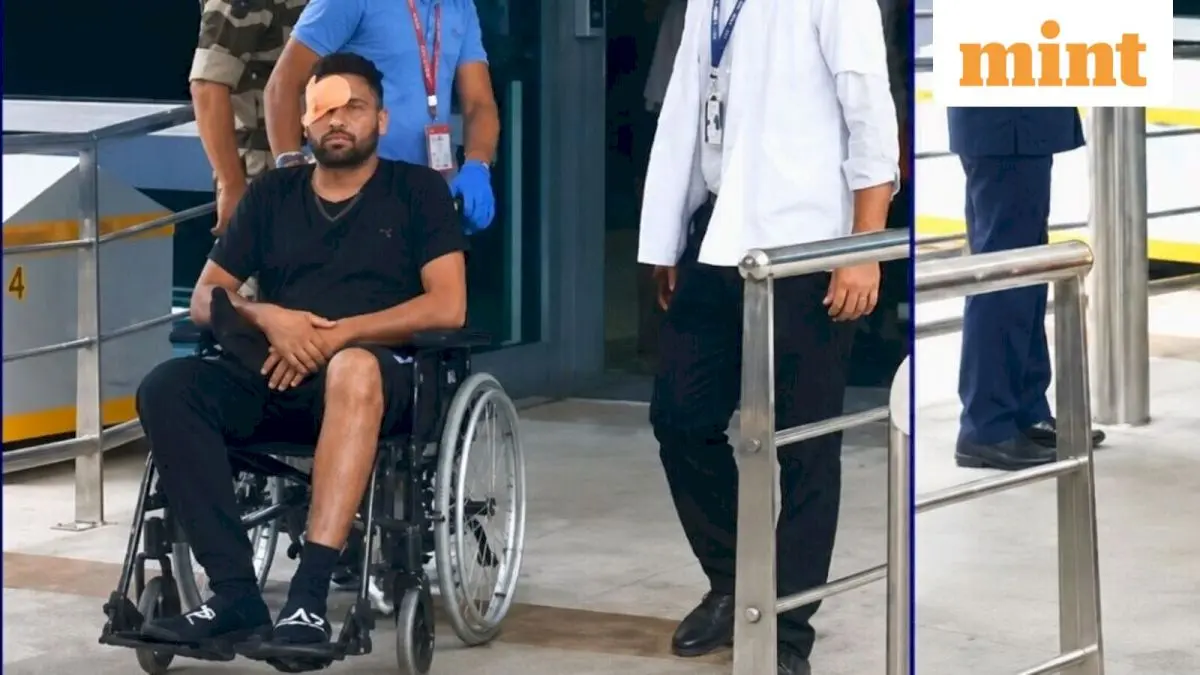
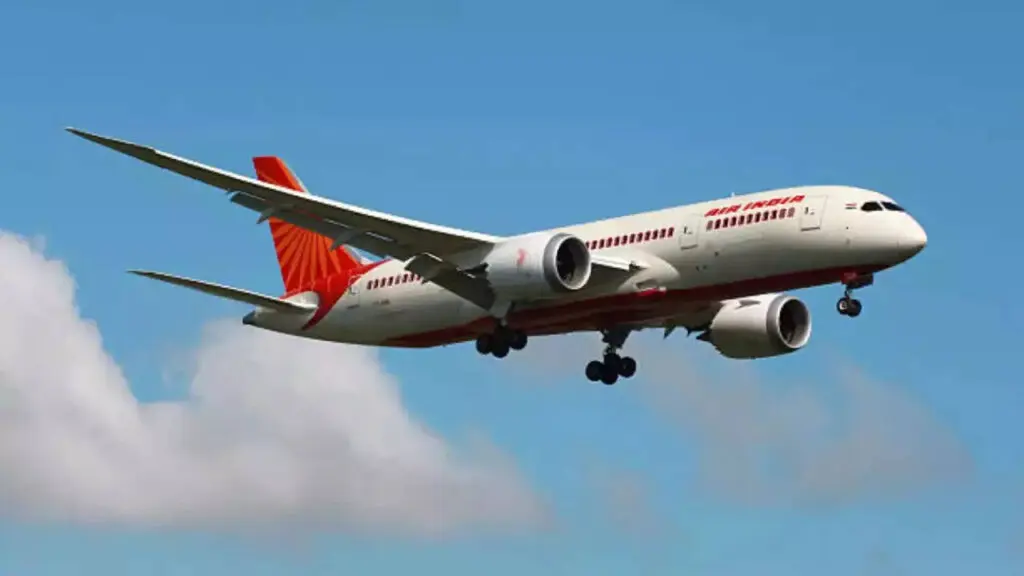
The pilot of the Air India Phuket-Delhi flight that suddenly dropped 300 feet over Odisha, injuring 24 people, has told investigators he slept for 30, 35 minutes during the journey and was…
The Story in Brief
The pilot of the Air India Phuket-Delhi flight that suddenly dropped 300 feet over Odisha, injuring 24 people, has told investigators he slept for 30, 35 minutes during the journey and was on medication for sleep difficulty. He also did not declare a "PAN PAN" urgency signal to air traffic control until 15, 18 minutes before landing, though the incident occurred over an hour earlier. ATC sources say Delhi controllers already knew of the injuries before the pilot’s call.
The Airbus A320 had suffered repeated hydraulic low-pressure alerts, autopilot disconnections, and flight control warnings, according to a post-flight maintenance report. The Directorate General of Civil Aviation and the Aircraft Accident Investigation Bureau are investigating. The captain’s second drug test reportedly came back positive; Times Now reports the substance is marijuana, but the Civil Aviation Ministry has not confirmed.
The Indian Opinion
Media focus on the pilot’s sleep and medication risks blaming an individual for what may be a systemic issue. The aircraft’s hydraulic and autopilot warnings suggest technical failures that no pilot could have prevented. The delayed PAN PAN call is serious, but it also points to gaps in Air India’s cockpit culture and emergency training. The AAIB’s preliminary report, expected within weeks, must clarify whether the altitude drop was caused by turbulence, a system failure, or pilot error.
Sources (2): livemint.com, timesnownews.com
This story was synthesised by AI from the 2 sources linked above.
Updated: this story now draws on 2 sources.