













Now Reading: 4 crew still hospitalised after Air India Phuket turbulence
-
01
4 crew still hospitalised after Air India Phuket turbulence



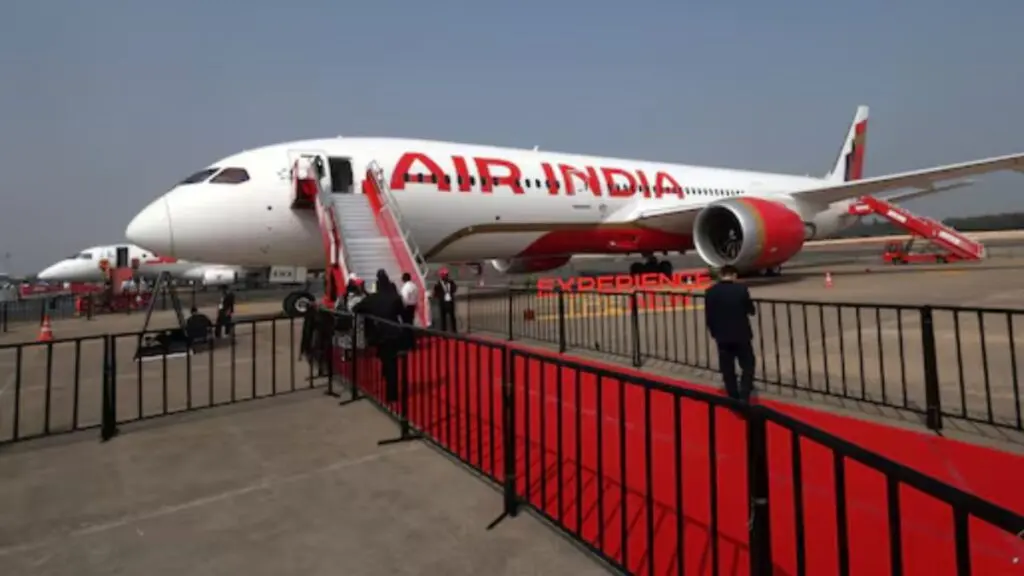
Four Air India crew members remain hospitalised after severe turbulence on the airline's Phuket-Delhi flight on August 4, Civil Aviation Minister Ram Mohan Naidu said. Most of the 24 passengers who were…
The Story in Brief
Four Air India crew members remain hospitalised after severe turbulence on the airline's Phuket-Delhi flight on August 4, Civil Aviation Minister Ram Mohan Naidu said. Most of the 24 passengers who were given medical check-ups have been discharged. The Directorate General of Civil Aviation (DGCA) is investigating the incident. Social media users blamed Air India for the injuries, calling the airline unsafe and demanding a boycott. But aviation experts say turbulence is a weather phenomenon beyond an airline's control. Pilots cannot always see it on radar, and sudden air pressure changes cause it. Seventeen passengers were injured in the event.
The Indian Opinion
Social media has predictably blamed Air India for the turbulence, demanding boycotts and calling the airline unsafe. But turbulence is a weather phenomenon, not a pilot error or a sign of poor maintenance. The real question is whether the crew handled the emergency well and whether seat-belt protocols were followed. The DGCA's final report, not Instagram outrage, will tell us if weather intelligence, crew response, and passenger briefings were adequate. Until then, the calls to 'boycott Tata Air' are just noise.
Sources (2): thehindubusinessline.com, economictimes.indiatimes.com
This story was synthesised by AI from the 2 sources linked above.
Updated: this story now draws on 2 sources.