



















Now Reading: Dying declaration can be basis for acquittal: Allahabad High Court
-
01
Dying declaration can be basis for acquittal: Allahabad High Court


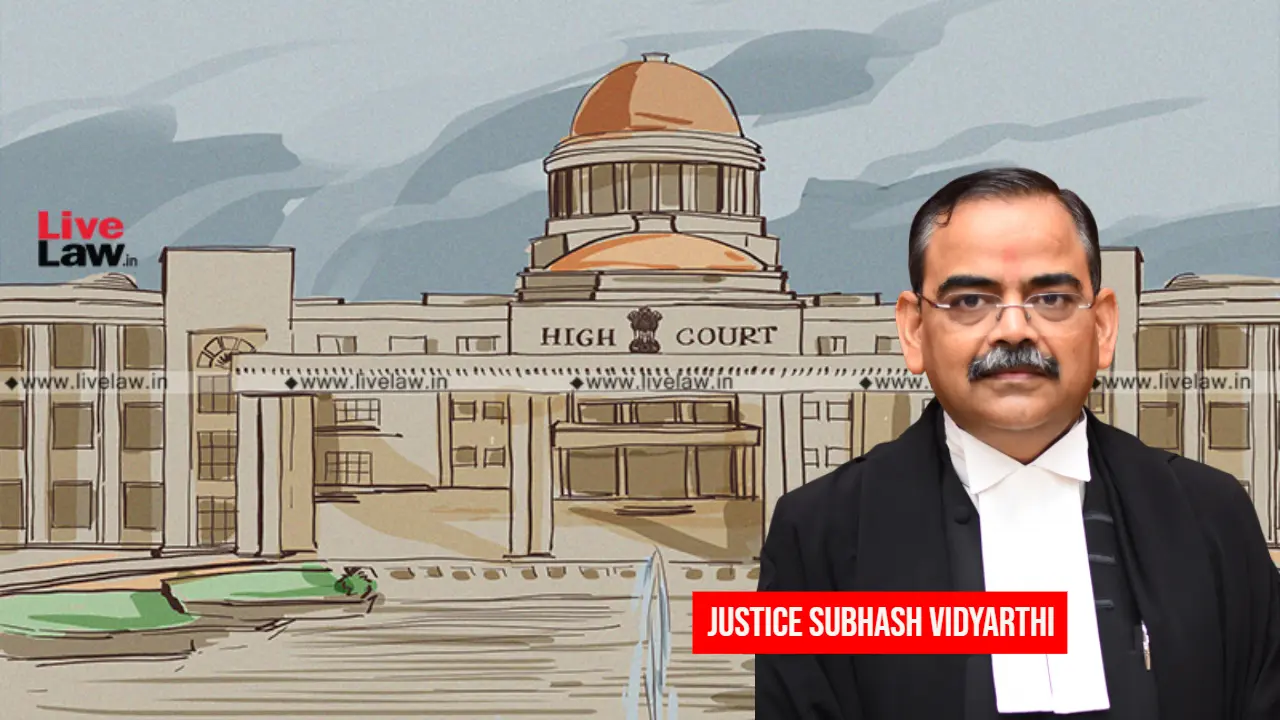
The Allahabad High Court has held that a dying declaration reliable enough to sustain a conviction can also form the basis of an acquittal, as the standard of proof for acquittal is only preponderance of probabilities, not proof beyond reasonable doubt. The court was hearing appeals by a husband and his mother convicted for cruelty and dowry death in a 2011 case where the deceased told a magistrate within two hours of the incident that her burns were accidental.
The court found the dying declaration credible, noting it was recorded by a magistrate in the presence of a doctor who certified the deceased fit to make the statement. It observed that the prosecution witnesses had made belated allegations of dowry harassment only after the woman's death, and that no dowry demand was proved. The court also noted that the husband bore hospital expenses of Rs 2,57,557 and that the couple's daughter continued to live with the appellants after her mother's death.
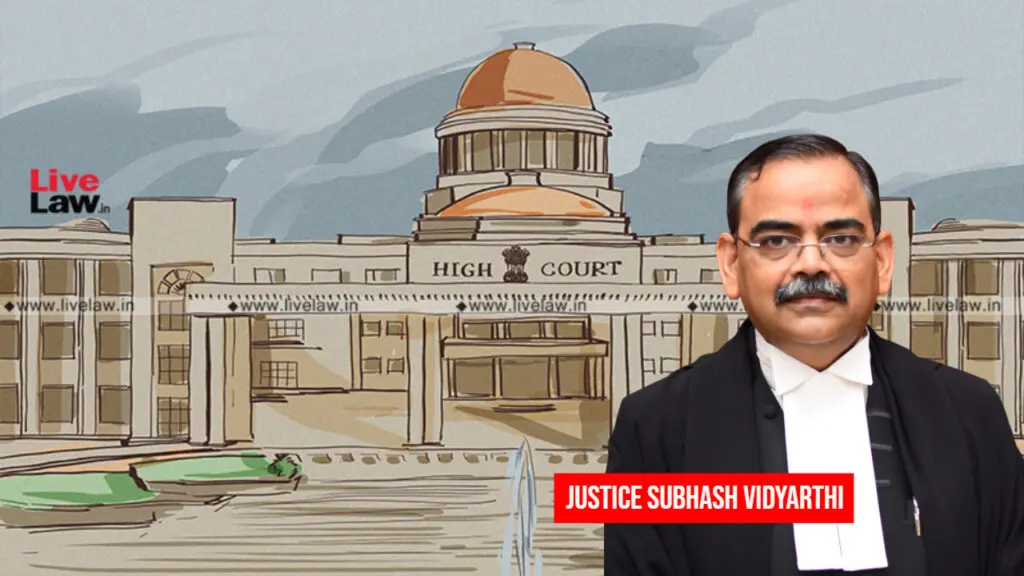
Justice Subhash Vidyarthi held that when a reliable dying declaration can sustain a conviction requiring proof beyond reasonable doubt, it can certainly support an acquittal requiring only preponderance of probabilities. The court observed that the forensic expert's opinion relied on by the trial court was unworthy of credence as he gave it orally without a written report or written request from the investigating officer.
Indian Opinion Analysis
Both reports from livelaw.in are neutral-report, focusing on the legal reasoning of the respective high courts without adopting a pro-government or critical stance. The Allahabad High Court judgment emphasises the reliability of a dying declaration recorded by a magistrate with medical certification, while also scrutinising the prosecution's evidence of dowry demand as belated and lacking credibility. The Punjab and Haryana High Court similarly stresses that the prosecution must prove foundational ingredients of dowry death before invoking the statutory presumption. A careful reader should note that both courts applied the same legal principle: a credible dying declaration of accidental burns can outweigh later allegations of dowry harassment, especially when the deceased's contemporaneous account is consistent and recorded by a judicial officer. The key takeaway is that courts are placing increasing weight on dying declarations recorded under proper safeguards, potentially shifting the burden on prosecutors to disprove such declarations rather than merely relying on family complaints made after death.
Coverage: 2 sources, 2 neutral
Sources (2): livelaw.in (neutral report), livelaw.in (2) (neutral report)
This story was synthesised by AI from the 2 sources linked above. Methodology and corrections.
Updated: this story now draws on 2 sources.