















Now Reading: Amazon to invest $3 billion in India quick commerce by 2030
-
01
Amazon to invest $3 billion in India quick commerce by 2030



Amazon will invest $3 billion (roughly Rs 25,000 crore) to expand its quick commerce business in India by 2030, two sources told Reuters. The company plans to invest $1 billion by end…
Amazon will invest $3 billion (roughly Rs 25,000 crore) to expand its quick commerce business in India by 2030, two sources told Reuters. The company plans to invest $1 billion by end of 2027 and another $2 billion by 2030, focusing on adding small neighbourhood warehouses, inventory software and AI tools for demand prediction. Amazon's quick commerce arm has crossed $1 billion in annualised gross sales, making it the fastest-growing e-commerce business in Amazon India's history, the company said.
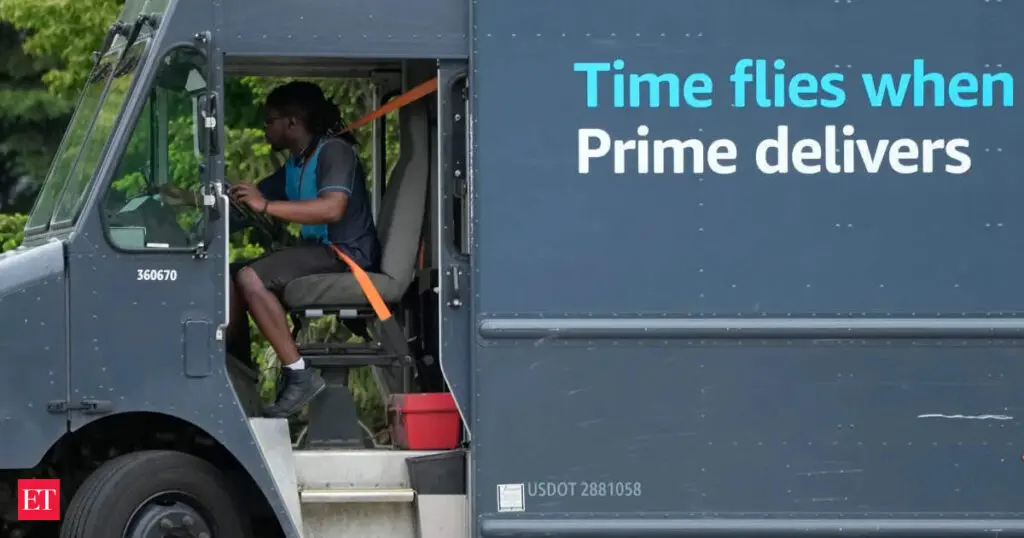
Amazon currently holds only a 6.2% market share in the $19 billion sector, which is expected to double to $41 billion by 2030. Domestic players Blinkit, Swiggy and Zepto together control 77% of the market, while Walmart's Flipkart has 11%. Amazon targets 1,300 stores by April 2026, up from about 750 now. The company will focus on daily essentials and not stock high-value items like iPhones, citing order repeatability. Bernstein warned that groceries alone may not cover quick commerce costs due to low average order values.
Indian Opinion Analysis
All three sources present a uniform, neutral-report account of Amazon's $3 billion quick-commerce investment plan, based on the same Reuters reporting. The coverage is straight business news: the investment size, timeline, market share data from Datum Intelligence, and Amazon's strategic focus on daily essentials. No source adopts a pro-government or critical stance, there is no regulatory or political framing beyond a factual mention of Amazon's pending antitrust case and government rider-safety concerns. The key takeaway is competitive: Amazon is a late entrant with 6.2% market share, facing entrenched rivals, and its success hinges on whether store expansion and discounts can shift existing Amazon shopping website customers to fast deliveries. The next milestone is April 2026, when the 1,300-store target will be measured against market share gains.
Coverage: 3 sources, 3 neutral
Sources (3): economictimes.indiatimes.com (neutral report), retail.economictimes.indiatimes.com (neutral report), livemint.com (neutral report)
This brief was synthesised by AI from the 3 sources linked above, so one read covers every framing they carry.
Updated: this story now draws on 3 sources.