














Now Reading: Ambedkar nearly lost Constituent Assembly seat in 1947
-
01
Ambedkar nearly lost Constituent Assembly seat in 1947


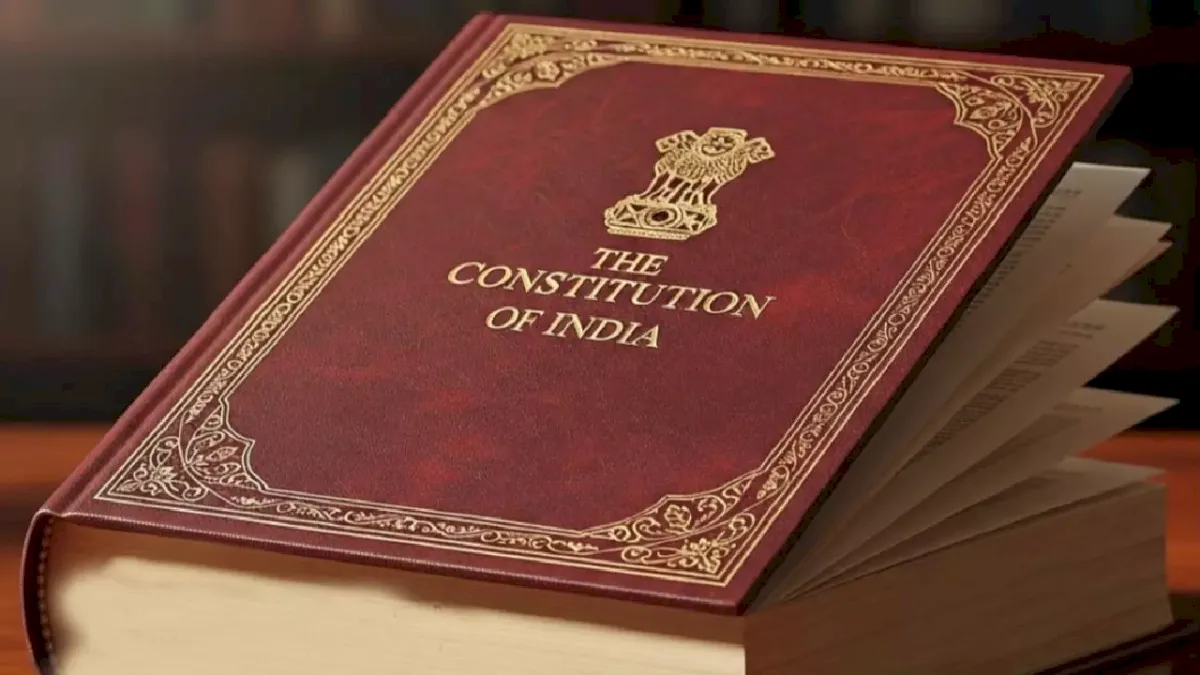
B R Ambedkar, the man who would chair the Drafting Committee of the Indian Constitution, almost lost his seat in the Constituent Assembly weeks after Partition, LiveLaw reports. His Bengal constituency ceased…
The Story in Brief
B R Ambedkar, the man who would chair the Drafting Committee of the Indian Constitution, almost lost his seat in the Constituent Assembly weeks after Partition, LiveLaw reports. His Bengal constituency ceased to exist when the province was divided. For a window in mid-1947, the country's most formidable legal mind had no formal standing in the body writing the nation's founding document.

Congress leaders, including Rajendra Prasad and Sardar Patel, intervened. B G Kher, Bombay premier, arranged for Ambedkar to fill a vacancy created by jurist M R Jayakar. Ambedkar was elected unopposed. The party that had opposed him for two decades voluntarily gave him a platform, calculating that a Constitution without its sharpest critic of caste hierarchy would be a weaker document.
The Indian Opinion
The story is often told as a triumph of political wisdom, but it also reveals how much of India's constitutional architecture rode on chance. The narrative of an inevitable, flawless founding ignores the butterflies: a redrawn border, a vacated seat, a pragmatic Congress. The real test is not whether Ambedkar got to draft the Constitution, but what alternative drafts or silences might have emerged without him. One seat, one Partition, one choice, how many other hinge points are we still ignoring? Cite some specifics from LiveLaw's piece: Ambedkar's pre-draft speeches after the crisis, do they show a new caution or a sharper edge?
Source: livelaw.in
This story was synthesised by AI from the source linked above.