














Now Reading: Amit Shah urges southern states to resolve water disputes via dialogue
-
01
Amit Shah urges southern states to resolve water disputes via dialogue


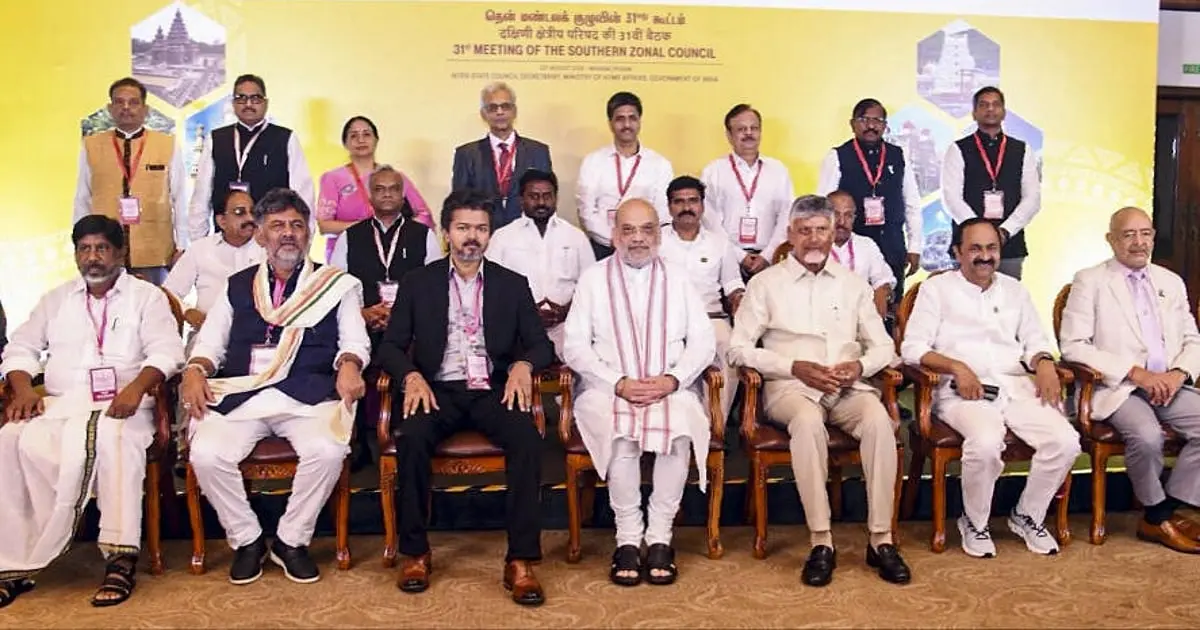
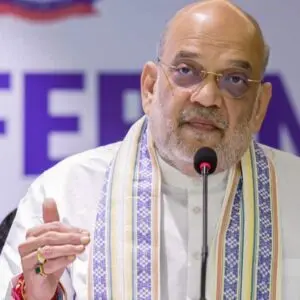
Union Home Minister Amit Shah has called for an early resolution of water disputes among southern states through joint dialogue, speaking at the 31st meeting of the Southern Zonal Council in Mahabalipuram on Thursday. He proposed joint consultations involving the Ministry of Jal Shakti, Ministry of Home Affairs, the Inter-State Council, and the concerned state governments to address the long-pending issues.
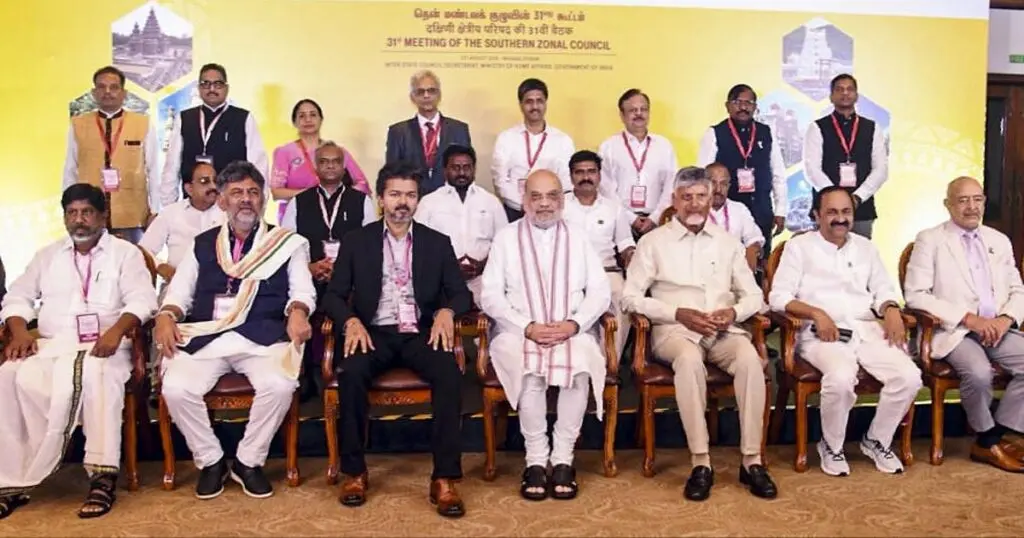
Shah said water is central to the region's agriculture, industry, environment and public health, and that the southern states are the 'main pillars' of India's progress. He also advocated river-linking from the Brahmaputra to the Cauvery and Godavari, saying it could prevent water shortages for 100 years and develop waterways. The meeting agreed to work towards an early settlement, while Andhra Pradesh and Telangana also agreed to resolve asset and liability division issues.
Shah praised the southern states for their contributions in IT, automobiles, pharmaceuticals, and space, and urged the rest of the country to learn from them in innovation and revenue generation. He also called for priority investigation of crimes against women and children, tackling malnutrition, and coordinated action against drug abuse under a three-year roadmap.
Indian Opinion Analysis
Both sources report the same facts from the Southern Zonal Council meeting, with neutral-report framing. Deccan Herald's shorter version focuses narrowly on the water dispute resolution mechanism and Shah's remark that states protecting their interests is not wrong, omitting the broader context of Shah's speech. Greater Kashmir provides a fuller account, including Shah's praise for southern states, his call for river-linking, and his remarks on crime, malnutrition, and drugs. The measured middle-ground takeaway is that the meeting produced a joint commitment to dialogue on water issues, but no concrete settlement was reached. The key figure to watch is whether the 80 percent resolution rate Shah cited for zonal council issues continues to improve, and whether the proposed joint meetings lead to an actual agreement.
Coverage: 2 sources, 2 neutral
Sources (2): deccanherald.com (neutral report), greaterkashmir.com (neutral report)
This story was synthesised by AI from the 2 sources linked above. Methodology and corrections.
Updated: this story now draws on 2 sources.