















Now Reading: South India needs own air quality body like CAQM: CSTEP study
-
01
South India needs own air quality body like CAQM: CSTEP study


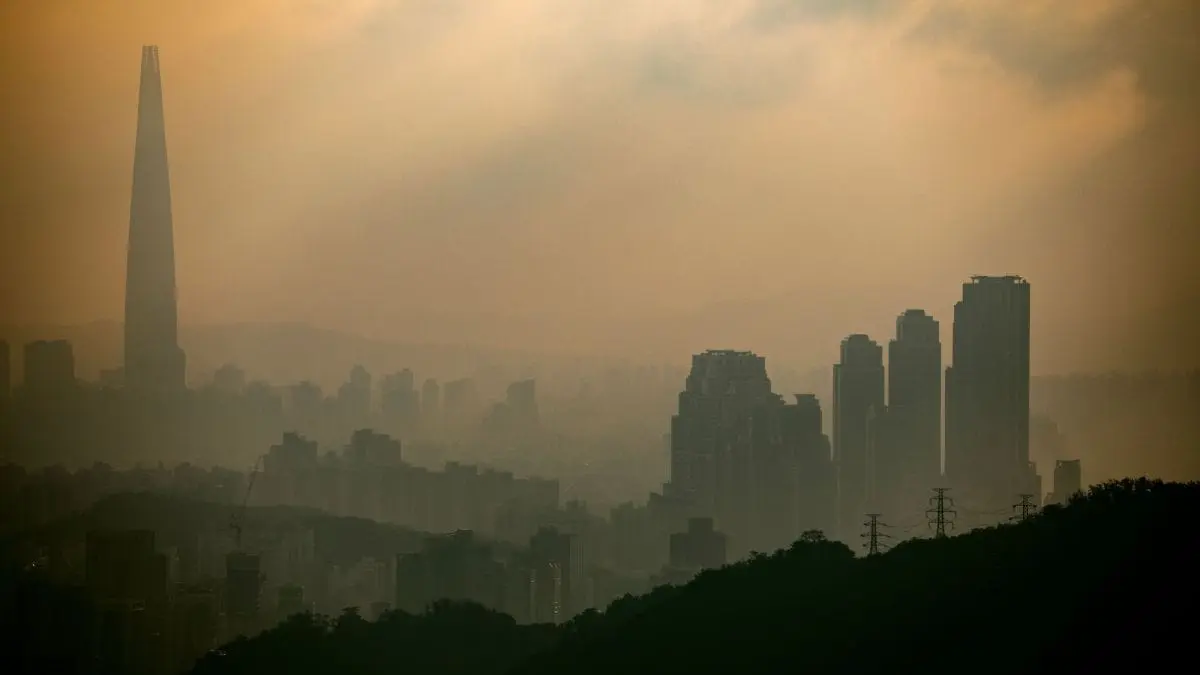
A new report by Bengaluru-based think tank CSTEP has recommended creating a Commission for Air Quality Management (CAQM)-like body for south Indian states, after modelling found that only 38-65% of pollution in each state is local. The study, released on August 20, analysed Telangana, Karnataka, Andhra Pradesh, Tamil Nadu and Kerala.
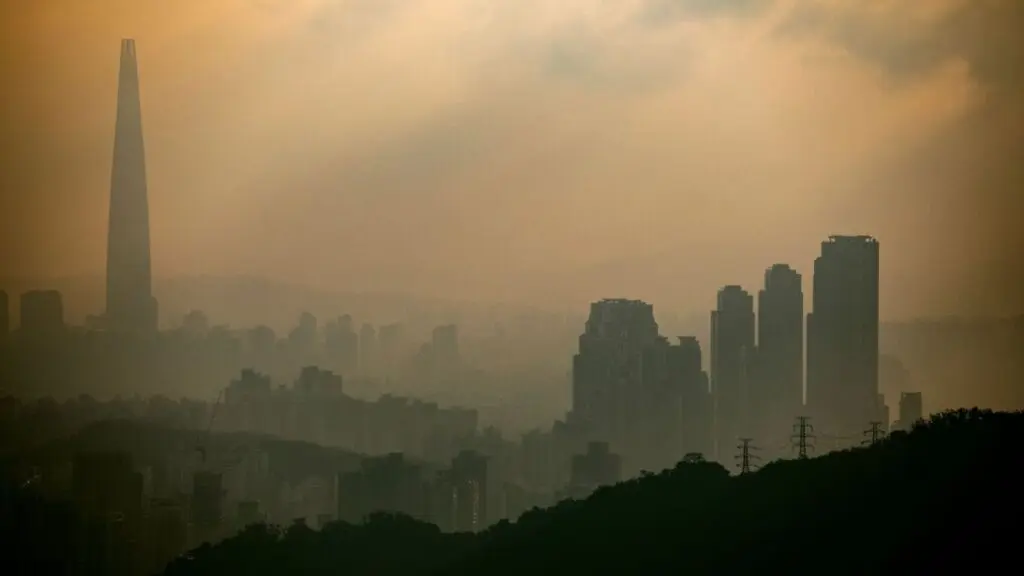
In Telangana, Andhra Pradesh and Karnataka, more than half the pollution comes from other states. Kerala and Tamil Nadu generate about 65% of their pollution within their own borders. The report argues this variation shows the need for an 'airshed level' approach rather than isolated state policies, similar to the CAQM that coordinates Delhi NCR.
Three main pollution sources were identified: solid fuel for cooking, industrial emissions, and fossil-fuel energy generation. The report noted 25 of 131 non-attainment cities under the National Clean Air Programme are in South India, including Hyderabad, Bengaluru and Chennai. It urged states to align clean air policies based on whether they export or import pollution.
Indian Opinion Analysis
The CSTEP report highlights a structural gap: unlike the Indo-Gangetic Plain, South India lacks a statutory inter-state body to enforce coordinated action. The existing CAQM was created in 2021 after court orders on Delhi's air crisis, and its powers include bans on certain fuels and vehicle types. A similar body for the south would need central legislation, which requires political consensus. The key numbers to watch are the 25 non-attainment cities, and whether the Union environment ministry takes up the recommendation in its next action plan review.
Source: theprint.in
This story was synthesised by AI from the source linked above. Methodology and corrections.