





















Now Reading: Animals may have evolved magnetic sense independently of bacteria
-
01
Animals may have evolved magnetic sense independently of bacteria

Animals may have evolved magnetic sense independently of bacteria

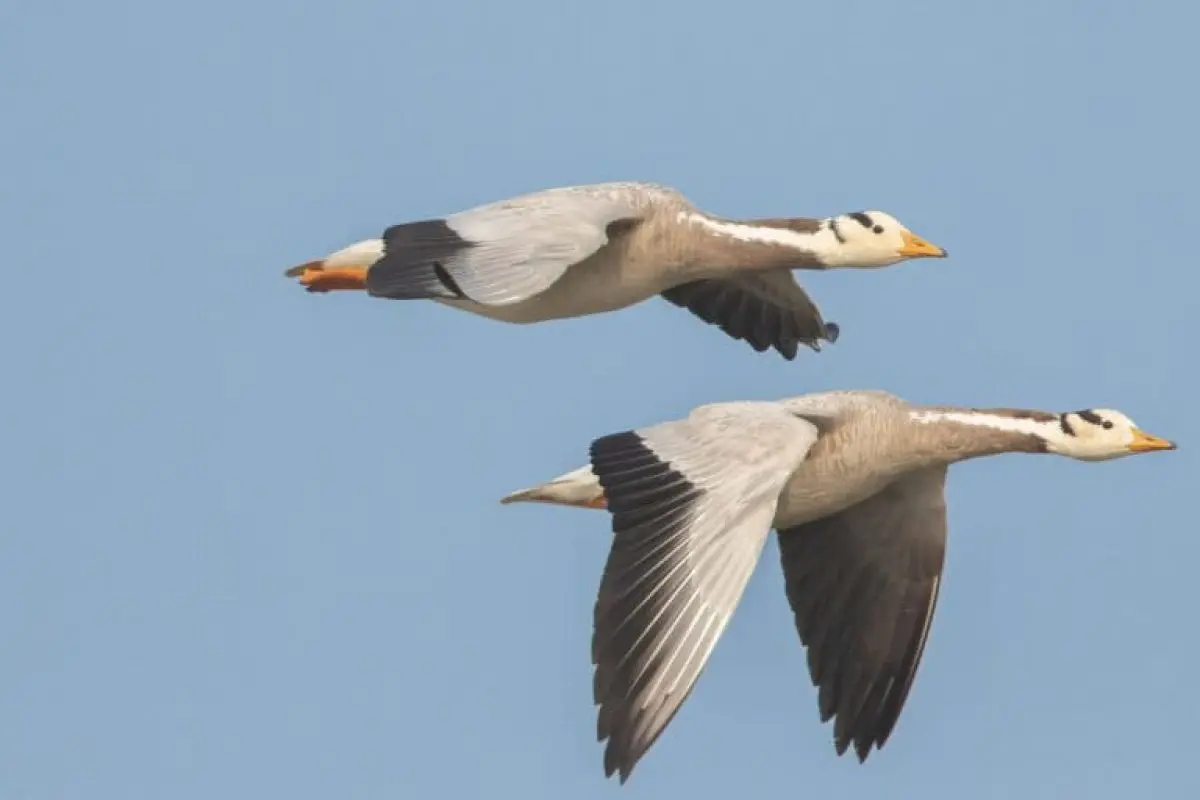
Recent research has uncovered giant magnetofossils in sediments dating back 56 million years, suggesting that complex organisms, not just bacteria, may have evolved the ability to navigate using Earth's magnetic field. These larger crystals, found in the fossil record, indicate that some ancient organisms biomineralised iron oxide for navigation, said Richard J. Harrison of the University of Cambridge, lead author of the study.
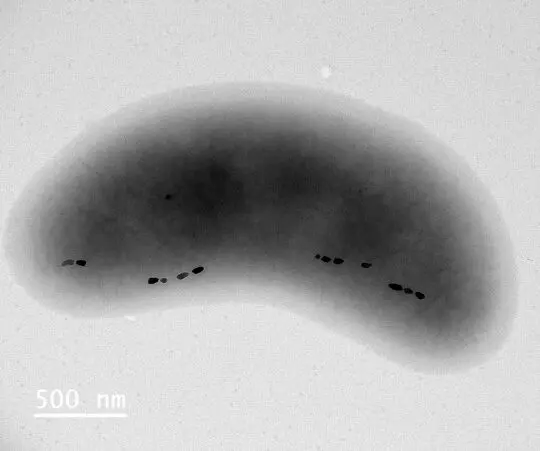
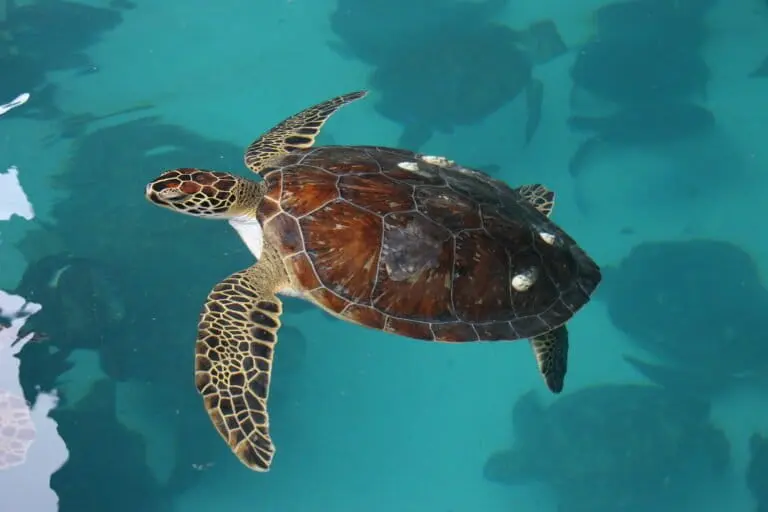
While bacteria use a shared genetic mechanism to produce magnetite chains, none of the animals known for magnetoreception, birds, fish, turtles, carry that same gene cluster. "When searching for a genetic relationship, we don't find the same genetic signature," said Arash Komeili of UC Berkeley. This suggests magnetoreception may have evolved independently in complex animals, possibly from ancient archaea that first developed magnetite biomineralisation. The origins of magnetoreception remain elusive, but the ability has been preserved across the animal kingdom for millions of years.
Source: india.mongabay.com
This story was synthesised by AI from the source linked above. Methodology and corrections.