













Now Reading: Animal poop may have triggered Earth’s Cambrian explosion
-
01
Animal poop may have triggered Earth’s Cambrian explosion



Scientists propose that animal faeces, not just rising oxygen, may have driven the Cambrian explosion of life around 540 million years ago. Research published in the journal 'Trends in Ecology and Evolution'…
The Story in Brief
Scientists propose that animal faeces, not just rising oxygen, may have driven the Cambrian explosion of life around 540 million years ago. Research published in the journal 'Trends in Ecology and Evolution' argues that the evolution of 'through-guts' let animals produce concentrated faecal pellets. These pellets sank faster than loose organic matter, carrying nutrients like carbon and nitrogen from the ocean surface to the deep seafloor.
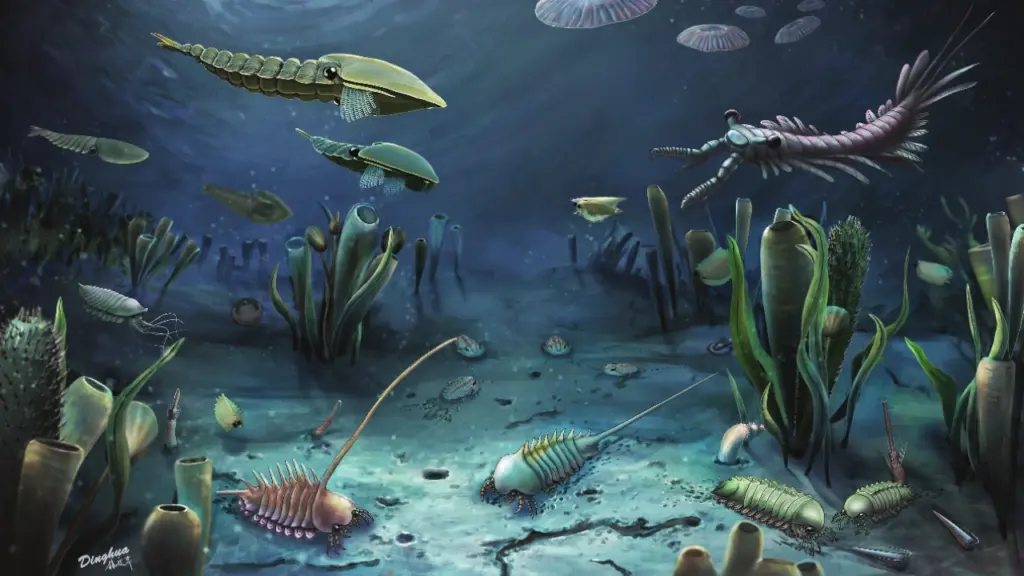
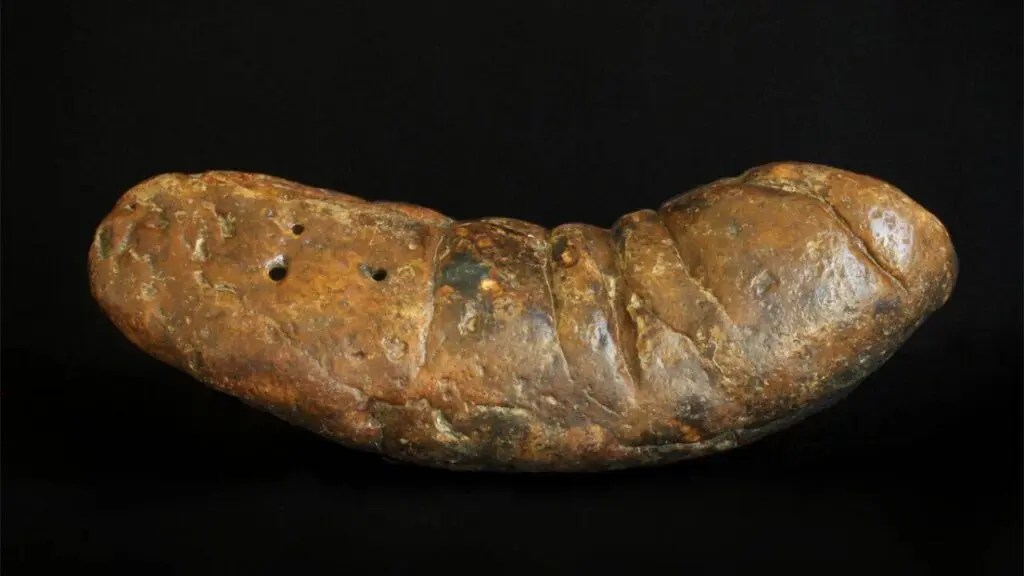
According to ScienceAlert, this 'faecal revolution' cleared the water, letting sunlight penetrate deeper and fertilising the seabed. Fossilised faeces (coprolites) appear in Cambrian deposits from about 538.8 million years ago. Researchers say this created a positive feedback loop: more animals meant more waste, which sustained larger and more diverse life. The team includes evolutionary biologist Russell Bicknell.
The Indian Opinion
Another day, another grand theory. Before oxygen gets cancelled as the hero of evolution, remember this is one paper's case, not settled science. The real test will be if coprolites from before the Cambrian are ever found, or if geochemical markers in ancient rocks back up the 'nutrient pump' idea. For now, it is a neat and refreshingly down-to-earth hypothesis. Can researchers find Ediacaran-era fossil poop to prove the pump started earlier? That number would settle the argument.
Source: timesofindia.indiatimes.com
This story was synthesised by AI from the source linked above.