





















Now Reading: Magnetoreception may have evolved independently in complex animals
-
01
Magnetoreception may have evolved independently in complex animals

Magnetoreception may have evolved independently in complex animals

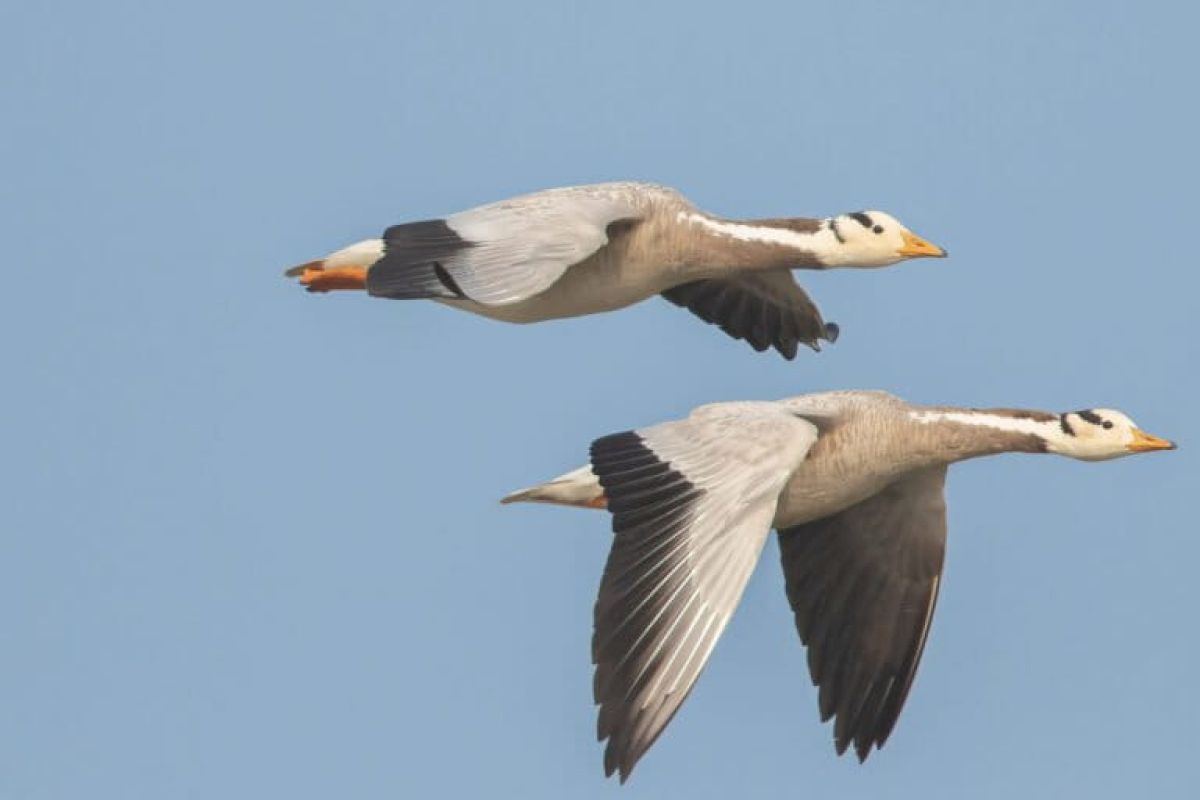
Scientists are uncovering new clues about how animals evolved an internal compass to navigate using Earth’s magnetic field, a trait called magnetoreception. Recent research suggests this ability may have evolved independently in…
The Story in Brief
Scientists are uncovering new clues about how animals evolved an internal compass to navigate using Earth’s magnetic field, a trait called magnetoreception. Recent research suggests this ability may have evolved independently in complex animals, separate from the magnetic systems found in bacteria. Magnetite crystals, used by bacteria as tiny compasses, have been traced back nearly two billion years. However, birds, turtles, fish and other animals that display magnetoreception do not possess the same gene cluster identified in magnetic microorganisms.
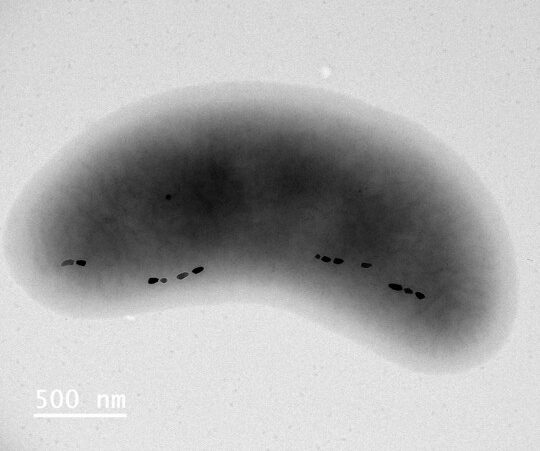
A study on 'giant' magnetofossils from 56 million years ago hints that larger, more complex organisms may have developed bigger crystals for navigation. Professor Richard J. Harrison of the University of Cambridge says this suggests some organisms learned to grow single large crystals instead of many small ones. Professor Arash Komeili of UC Berkeley notes that no genetic link between magnetic bacteria and higher eukaryotes has been found. The evolutionary origin of magnetoreception in animals remains an open question.
The Indian Opinion
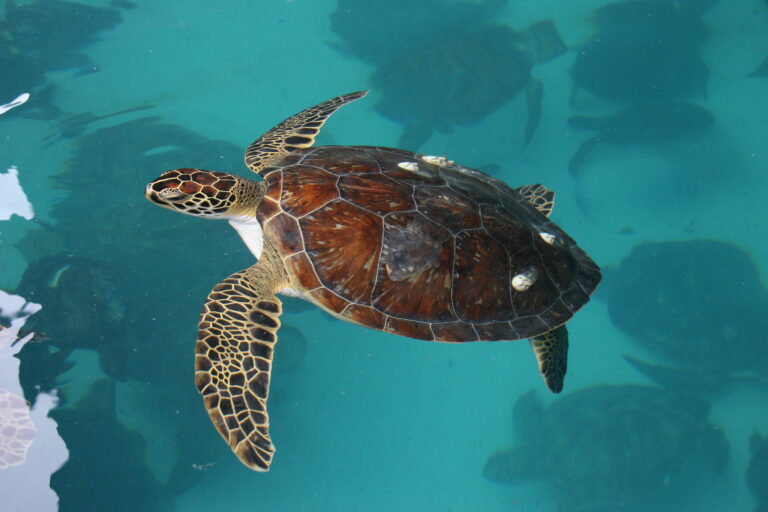
The popular narrative often portrays evolution as a neat ladder from bacteria to birds. This story reveals a messier truth: birds and turtles navigate by Earth’s magnetic field yet lack the gene cluster found in magnetic bacteria. That undercuts simplistic 'bacteria gave it to animals' theories. The real test will be whether future genetic studies find a different, undiscovered mechanism shared across complex animals, or confirm true independent invention.
Source: india.mongabay.com
This story was synthesised by AI from the source linked above.