Now Reading: Assam floods: new apps coordinate relief amid chaos
-
01
Assam floods: new apps coordinate relief amid chaos


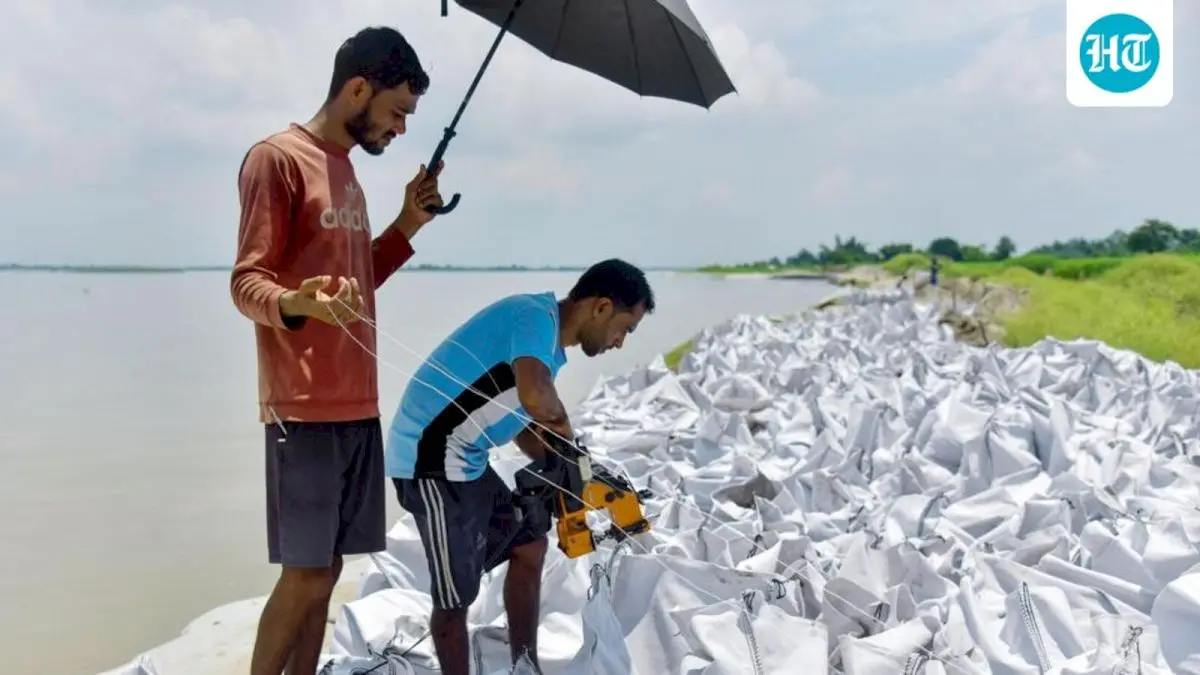
Over 168,000 people in 15 districts of Assam remain affected by floods, with 10,111 persons displaced and sheltering in 50 relief camps, according to ANI. As water levels of the Dikhow and…
The Story in Brief
Over 168,000 people in 15 districts of Assam remain affected by floods, with 10,111 persons displaced and sheltering in 50 relief camps, according to ANI. As water levels of the Dikhow and other rivers rose after heavy rain, three tech platforms emerged within days to plug coordination gaps. Bengaluru-based entrepreneur Javed Saikia built Jal Raksha, an AI tool on WhatsApp that lets affected people send a photo, voice message and GPS location to alert relief groups. Partha Borthakur launched banpani.org, a live map where users can report needs and relief groups can announce routes to avoid duplication. Helpmonk, a free app from travel venture Firingoti, adds geo-tagging and real-time status updates.
The Indian Opinion
The digital response to Assam's floods shows grassroots innovation outpacing official machinery. But praising tech saviours alone misses the point: these apps work only where networks and smartphones reach, and thousands in remote areas still rely on boats and relief camps. The real test is not the number of dashboards built, but how many of the 10,111 displaced in camps actually received the help they needed. Will the state government adopt these platforms before the next wave?
Source: hindustantimes.com
This story was synthesised by AI from the source linked above.