

















Now Reading: Assam hotels, malls face power, water cuts for waste rule violation
-
01
Assam hotels, malls face power, water cuts for waste rule violation


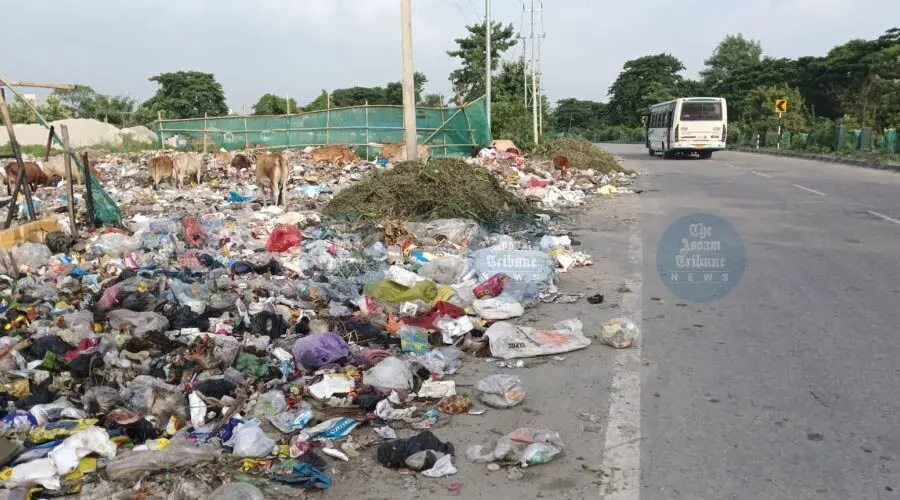
Hotels, hospitals, shopping malls and large residential complexes across Assam risk losing electricity and water connections if they fail to manage solid waste scientifically under the Solid Waste Management Rules, 2026. The rules, which came into force in April 2026, shift the legal onus of processing waste onto generators, backed by Supreme Court-sanctioned penalties.
Bulk Waste Generators (BWGs), entities with a floor area of at least 20,000 square metres, consuming 40,000 litres of water daily, or generating 100 kg or more of solid waste per day, must register on a centralised portal, process wet waste on-site, and file annual digital returns by 30 June. Non-compliant units face immediate utility disconnections until a compliance certificate is submitted.
The Assam Pollution Control Board and Swachh Bharat Mission (Urban) outlined the crackdown at a joint briefing on 28 September. All existing dumpsites must be mapped and assessed by 31 October 2026 for time-bound biomining, while municipalities are barred from dumping fresh waste into legacy sites. Compressed Bio-Gas facilities are being set up in five cities via public-private partnerships with Oil India Limited.
Indian Opinion Analysis
The rules transform waste management from a municipal service to a generator's legal duty, backed by Supreme Court directives. For Guwahati's major hotels, hospitals, and residential complexes, the immediate risk of utility disconnection creates a hard deadline for compliance. The 31 October 2026 dumpsite assessment deadline will force municipalities to tackle legacy waste, while the ban on fresh dumping at remediation sites pressures local bodies to establish Material Recovery Facilities. The success of the circular economy hinges on whether BWGs and citizens actually segregate waste at source.
Source: assamtribune.com
This brief was synthesised by AI from the source linked above. Methodology and corrections.