

















Now Reading: Assam flood survivors face long recovery after waters recede
-
01
Assam flood survivors face long recovery after waters recede


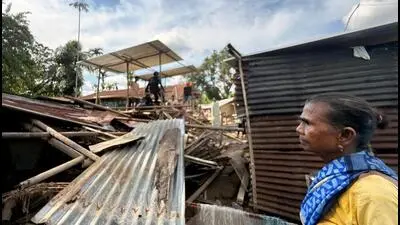
A month after devastating floods hit Assam's Sivasagar district, water levels have receded but survivors face a difficult rebuilding process. At least 105 people have died in flood-related incidents, with 54 deaths in Sivasagar alone, according to Hindustan Times. Many families who returned to their villages found homes buried under mud or structurally unsafe.
Hindustan Times reports that residents like Chandravati Manjhi, 65, could only identify her house by a nearby concrete structure. Pramila Majhi said that in just four to five hours, everyone lost everything: livestock, crops, stored grain and household belongings were swept away. Times of India adds that across Assam, nearly 32,000 people across five districts remained affected as of August 18, with more than 3,198 hectares of cropland still submerged.
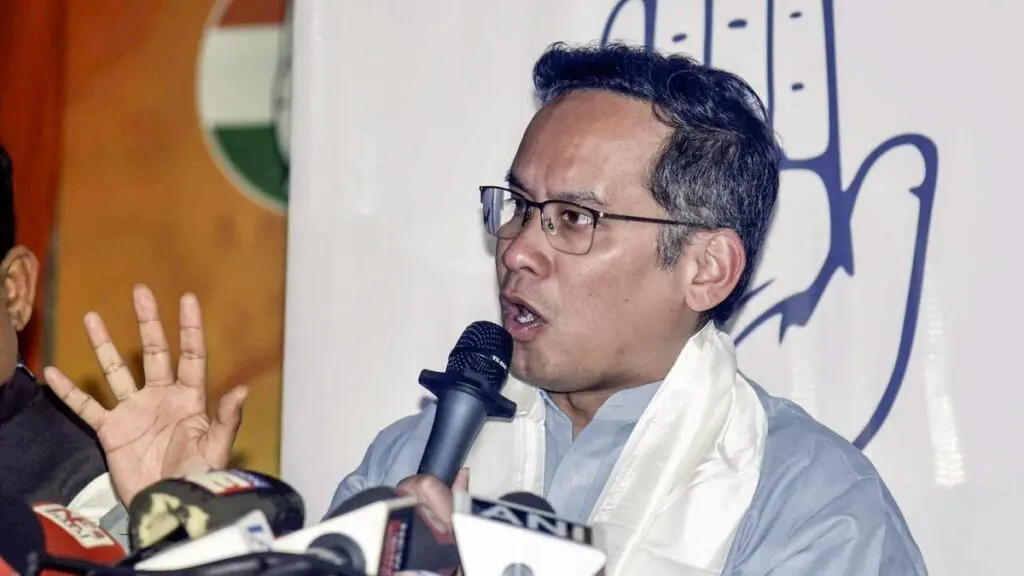
Questions have been raised about whether the flooding was worsened by human activity. Hindustan Times quotes former Nazira MLA Debabrata Saikia, who described the disaster as a 'meticulously man-made disaster' caused by unchecked coal, sand and stone extraction. The Assam government has begun a rapid damage assessment, and Chief Minister Himanta Biswa Sarma has said the state may need over Rs 1,000 crore for rehabilitation, with the final survey expected by September.
Indian Opinion Analysis
Both outlets report similar facts, but Hindustan Times leads with survivor testimony and the accusation of illegal mining causing a man-made disaster, while Times of India leads with official figures and the government's rehabilitation plan. Hindustan Times foregrounds local anger at regulatory failure, quoting a retired journalist and a former MLA who filed a PIL that was allegedly ignored. Times of India foregrounds the government's response: the damage assessment drive, compensation amounts, and talks with the Centre on model housing. The measured read: a natural disaster was almost certainly worsened by years of unchecked mining in the Dikhow basin, as Gauhati High Court directions were not enforced. The key number to watch is whether the final damage assessment by September leads to a national calamity declaration or only state-level relief.
The coverage is uniform straight reporting on the basic facts of the flood damage and recovery effort. Hindustan Times includes more critical framing by giving space to allegations of government inaction on illegal mining, while Times of India gives more space to the government's rehabilitation measures. Neither outlet sensationalises the story, but Hindustan Times's framing is more government-critical on the mining issue, and Times of India's framing is more pro-government on the response. A careful reader should note that both sources agree on the scale of the disaster and the long recovery ahead, but diverge on who bears responsibility for the severity of the damage.
Coverage: 2 sources, 1 pro-government, 1 government-critical
Sources (2): hindustantimes.com (government critical), timesofindia.indiatimes.com (pro government)
This story was synthesised by AI from the 2 sources linked above. Methodology and corrections.
Updated: this story now draws on 2 sources.