















Now Reading: August Krogh’s Nobel discovery of oxygen supply to muscles
-
01
August Krogh’s Nobel discovery of oxygen supply to muscles


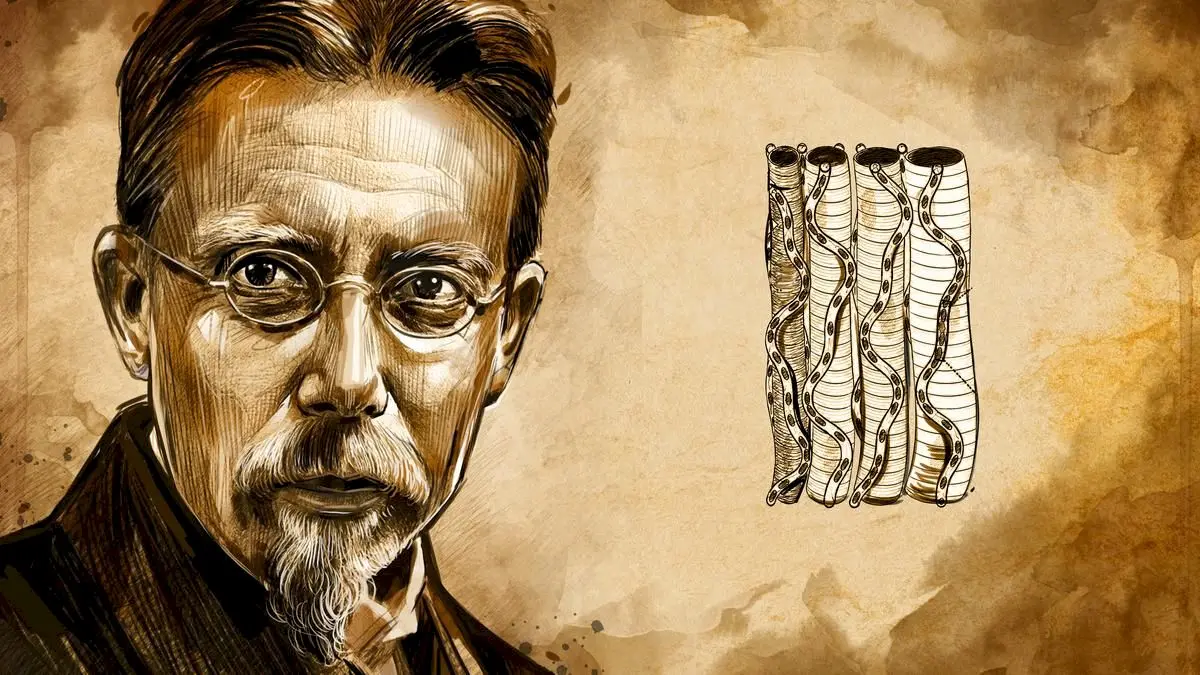
The Hindu reports that Danish physiologist August Krogh won the 1920 Nobel Prize for uncovering how capillaries regulate oxygen delivery to muscles. His experiments showed that during exercise, additional capillaries open up,…
The Story in Brief
The Hindu reports that Danish physiologist August Krogh won the 1920 Nobel Prize for uncovering how capillaries regulate oxygen delivery to muscles. His experiments showed that during exercise, additional capillaries open up, shortening the distance oxygen must travel from blood to tissue. This finding, known as the Krogh cylinder model, became key to understanding conditions like cardiovascular disease and poor wound healing. Modern studies have refined the picture, capillaries are not simply switched on and off, and arterioles play a larger role in flow control, but Krogh's core insight about diffusion distance still holds.
The Indian Opinion
Krogh's story is a neat example of how a Nobel-winning idea can be both durable and partly wrong. Some popular accounts still present the capillary 'on-off' switch as gospel, ignoring that arterioles do the heavy lifting. Yet the real value is simpler: oxygen must diffuse, and distance matters. That principle still guides diabetic foot care and surgery planning today. A fair test: ask any young doctor how many capillaries are actually perfused at rest in skeletal muscle.
Source: thehindu.com
This story was synthesised by AI from the source linked above.