

















Now Reading: Auto fare meter’s ‘cling’ fades into ride app notification
-
01
Auto fare meter’s ‘cling’ fades into ride app notification


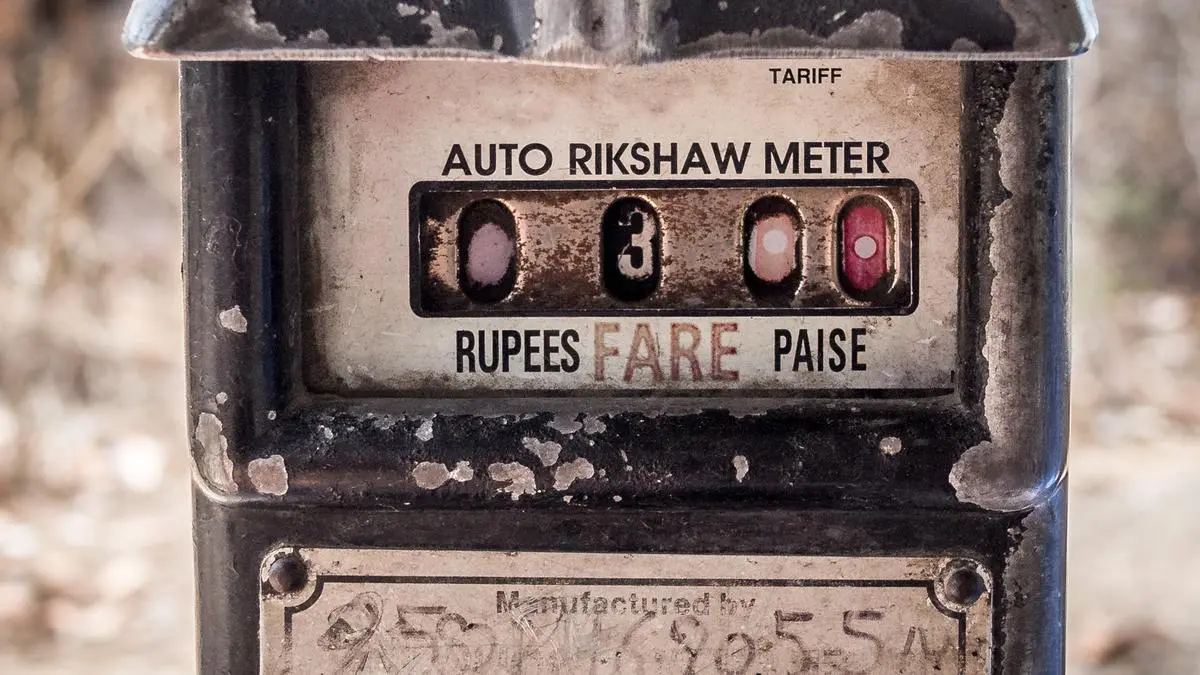
The metallic 'cling' of the auto-rickshaw fare meter, once a daily sound in Indian cities, has become a rarity as ride-hailing apps replace the traditional system. Writer Prajwal recalls childhood rides where the meter's lever, shaped like a spoon, was flipped to start a journey, its spinning numbers climbing as the auto moved.

Digital fare meters briefly kept the sound alive, but the arrival of apps made the meter obsolete. The fare is now set on a phone before the ride begins. The writer notes that the familiar cling now survives only as a notification tone on some ride-hailing apps, a ghost of the original sound.
Indian Opinion Analysis
The piece is a first-person reflection, not a news report, but it captures a real shift that affects millions of daily commuters. The auto meter was mandated under the Motor Vehicles Act and local transport rules to ensure fare transparency. Its decline mirrors the rise of app-based pricing, which is often surge-based and unregulated by traditional meters. In cities like Bengaluru and Delhi, auto unions have protested app-based fares. The next regulatory step is whether state transport departments will enforce mandatory meter use in app autos or formally adopt dynamic pricing. Watch for the Karnataka High Court's pending ruling on the legality of surge pricing by aggregators.
This nostalgic account highlights a cultural loss, but the economic stakes are real: app-based fares have increased average per-km costs for riders while reducing driver earnings due to platform commissions. The 'cling' was a signal of a regulated market, its disappearance marks the end of that era.
Source: thehindu.com
This story was synthesised by AI from the source linked above. Methodology and corrections.