Now Reading: This insect builds a silk-and-leaf house and carries it on its back
-
01
This insect builds a silk-and-leaf house and carries it on its back

This insect builds a silk-and-leaf house and carries it on its back


Bagworm caterpillars build protective cases from silk and surrounding plant material, carrying them wherever they go. The case grows as the caterpillar grows, adding leaves, twigs and debris to camouflage the animal…
The Story in Brief
Bagworm caterpillars build protective cases from silk and surrounding plant material, carrying them wherever they go. The case grows as the caterpillar grows, adding leaves, twigs and debris to camouflage the animal as a piece of plant matter. Some species use tiny sticks that make the bag look like a small log cabin. Newly hatched bagworms travel on silken threads blown by the wind, a behaviour called ballooning, to reach fresh plants.
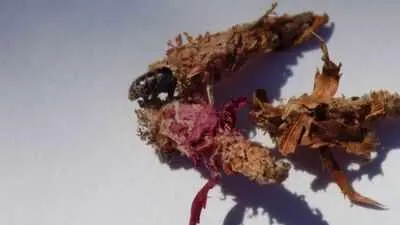
The bag serves as a nursery too. Female bagworms lay 500-1,000 eggs inside their case before dying in autumn. The eggs overwinter and hatch the following May-June. Adults have unusual life cycles: males become winged moths that leave the bag, while females remain wingless and legless inside, mating through an opening at the bottom. After laying eggs, the female dies within the bag.
The Indian Opinion
Bagworms are often dismissed as mere garden pests, but their architecture deserves a second look. Headlines that call them 'backpackers' or 'log-cabin builders' risk anthropomorphising a simple survival instinct. Yet the real story is more mundane: every caterpillar from Delhi to Dallas builds such a case. The numbers that matter are not the 500-1,000 eggs per bag but whether your neem tree is suddenly draped in grey cones. Watch for the May-June hatch, that will settle whether you have a curiosity or a problem.
Source: timesofindia.indiatimes.com
This story was synthesised by AI from the source linked above.
Updated: this story now draws on 1 sources.