















Now Reading: Bangladesh urges India to safeguard ties on Teesta water sharing
-
01
Bangladesh urges India to safeguard ties on Teesta water sharing

Bangladesh urges India to safeguard ties on Teesta water sharing

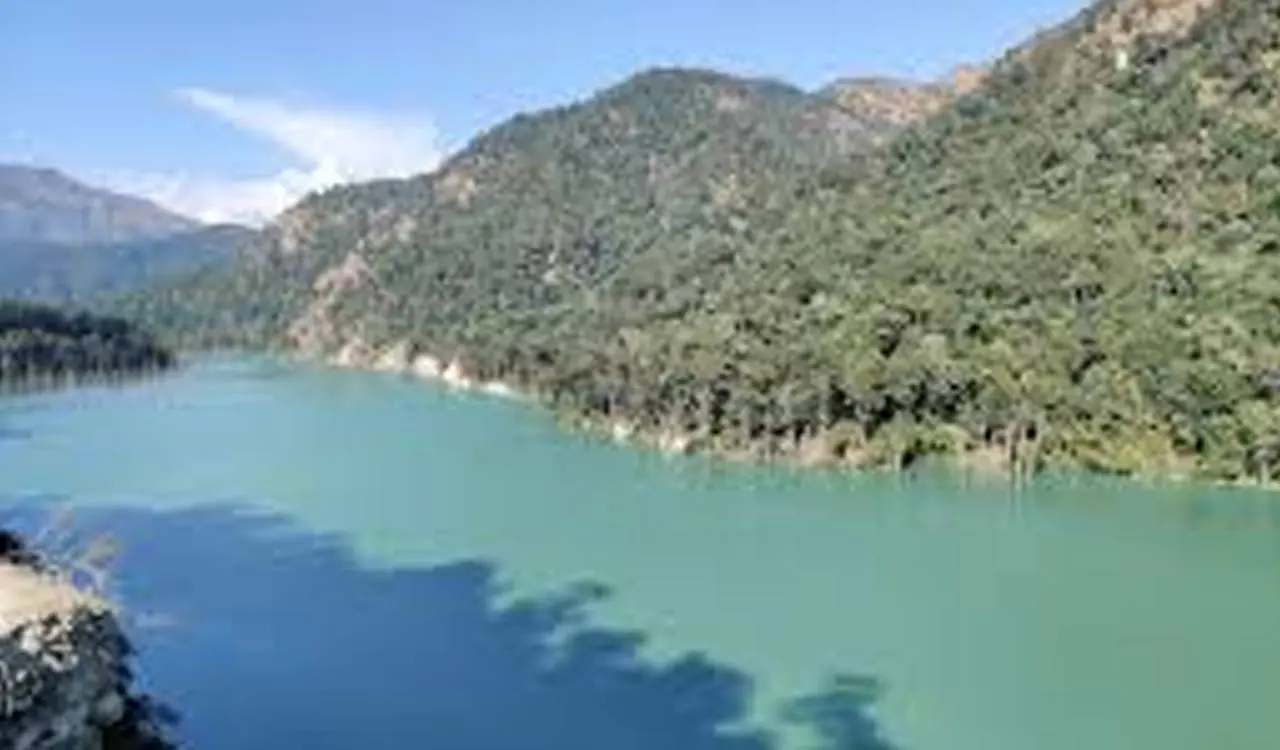
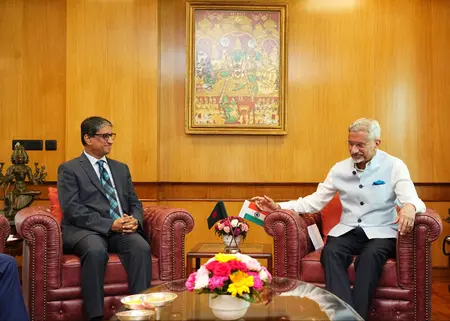
Bangladesh water resources minister Shahiduddin Chowdhury Anee said on Sunday that Dhaka does not want its friendly ties with New Delhi to deteriorate over the long-pending Teesta water-sharing agreement. "A friend should protect the interests of a friend," Anee said at a seminar in Dhaka, urging India to consider Bangladesh's interests alongside its own. The minister's remarks come as Bangladesh pushes forward with the China-backed Teesta River Comprehensive Management and Restoration Project to address floods, erosion, and dry-season shortages in five to six northern districts. Anee said the project is a major challenge and that failing to implement it will worsen the damage faced by local families.
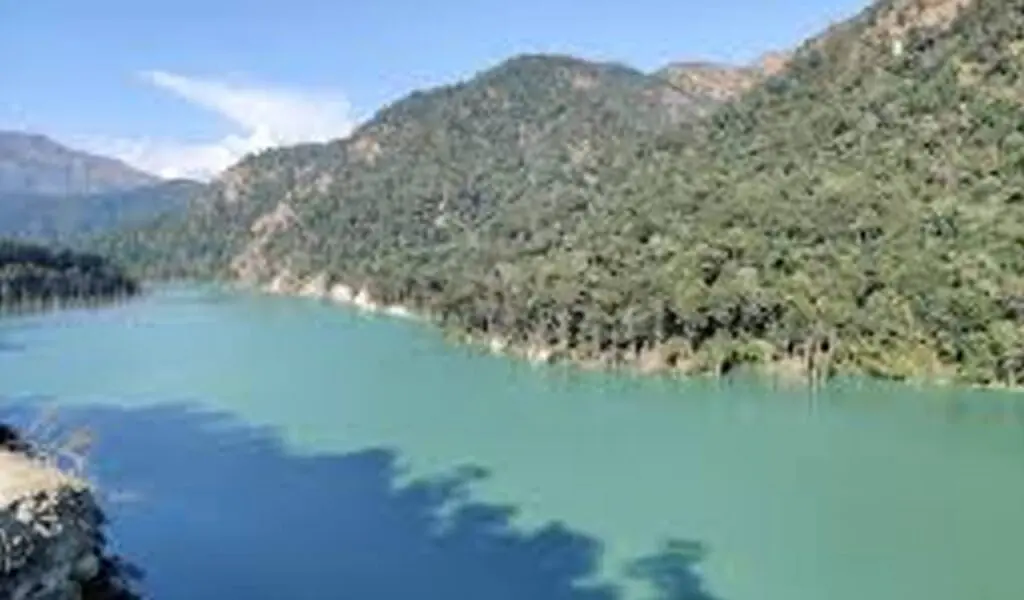
The Teesta originates in the Himalayas and flows through Sikkim and West Bengal before entering Bangladesh. India and Bangladesh have discussed water-sharing since the 1980s, and an interim 1983 arrangement allocated 39% to India and 36% to Bangladesh. A 2011 draft interim agreement collapsed after West Bengal opposed it over concerns about water availability. Bangladesh prime minister Tarique Rahman secured China's commitment in June to speed up a technical feasibility study for the restoration project, which India views as strategically sensitive because the river lies near the Siliguri Corridor, India's land link to its northeastern states. The external affairs ministry said in July that India's position on the proposed project has been conveyed to Bangladesh and that all related developments will be considered as part of the overall approach to the Teesta issue.
Indian Opinion Analysis
Bangladesh's public assurance that Teesta should not damage ties with India masks a harder reality: Dhaka is actively pursuing Chinese investment in the same river project, a move New Delhi views as strategic encroachment near the Siliguri Corridor. The minister's plea frames India as the friend who must accommodate, while West Bengal's prior veto is omitted by Bangladeshi sources but highlighted by Times of India. The 2011 draft agreement remains stalled, and Beijing's feasibility study accelerates. The measured middle ground: Bangladesh needs flood relief, China offers financing, and India has no alternative water-sharing deal to propose. Watch for West Bengal's stance on any new Indian counter-proposal before the 2026 Ganges treaty renewal.
Sources (2): telanganatoday.com, timesofindia.indiatimes.com
This story was synthesised by AI from the 2 sources linked above. Methodology and corrections.
Updated: this story now draws on 2 sources.