















Now Reading: First clockmakers tracked time via sun, water and stars
-
01
First clockmakers tracked time via sun, water and stars



The first mechanical clocks, appearing in Europe in the 14th century, were accurate only to about 15 minutes per day, comparable to a good sundial. They did not invent the concept of…
The Story in Brief
The first mechanical clocks, appearing in Europe in the 14th century, were accurate only to about 15 minutes per day, comparable to a good sundial. They did not invent the concept of time but instead reproduced divisions already established by thousands of years of observing the Sun, Moon, and stars. Early timekeeping relied on sundials (dating before 1500 BCE) and water clocks (clepsydras) used by Egyptians, Greeks, and Romans.
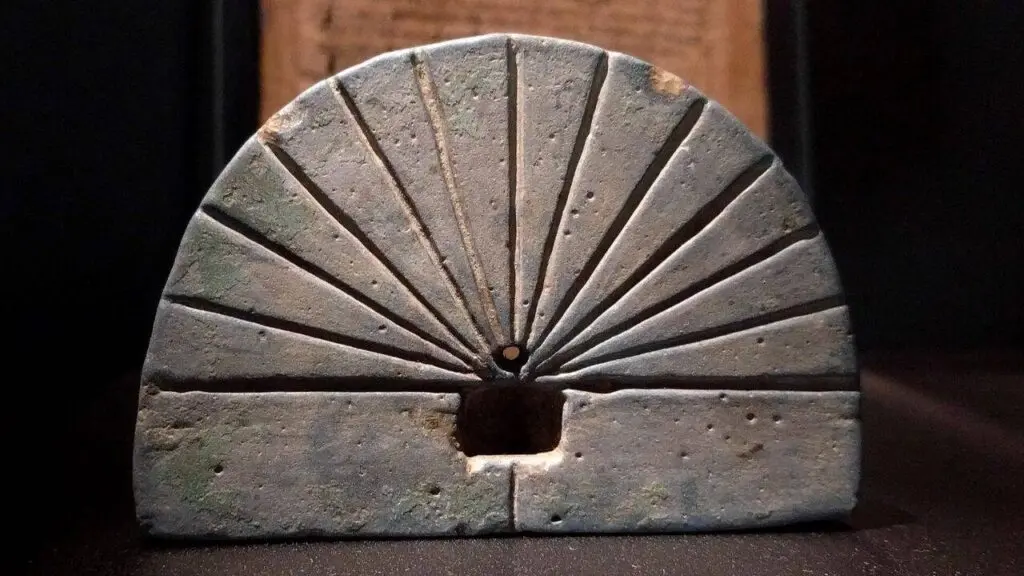
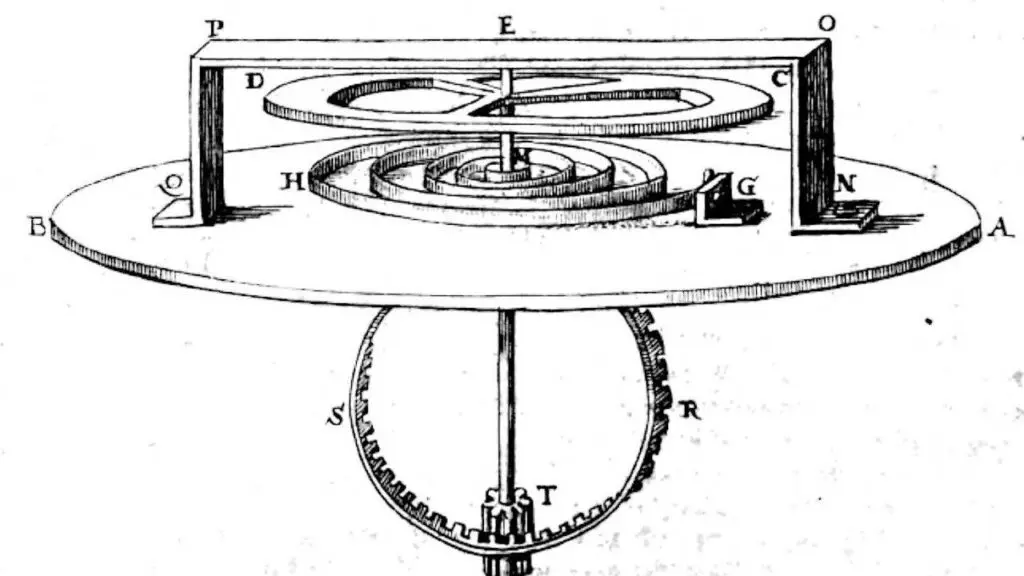
The transition to mechanical clocks was gradual, with Chinese engineer Su Song building a sophisticated water-powered astronomical clock tower around 1088. Later, Christiaan Huygens' pendulum clock in 1656 and balance wheel in 1675 dramatically improved accuracy, enabling portable timepieces and revolutionising navigation and daily life.
The Indian Opinion
The story is often framed as a sudden leap from primitive to precision, but both sources show a gradual evolution. Sundials and water clocks were not crude guesswork, they were carefully calibrated instruments. The real breakthrough was not knowing the time but reproducing it mechanically without external cues. The test to watch for: how future digital timekeepers will be judged against the same natural rhythms that have guided humanity for millennia.
Sources (2): timesofindia.indiatimes.com, businesstoday.in
This story was synthesised by AI from the 2 sources linked above.
Updated: this story now draws on 2 sources.