















Now Reading: Beijing struggles to win Indian hearts despite thaw
-
01
Beijing struggles to win Indian hearts despite thaw


Beijing has failed to win over the Indian public due to a lack of long-term strategy and effective communication channels, Chinese researchers have argued. In a paper published in the state-run journal International Communications, Tsinghua University scholars Zhou Qingan and Li Yiming said China's current propaganda efforts in India are weak and lack planning.
The researchers noted that China's media output, which focuses heavily on policy promotion, has not resonated with ordinary Indians. They highlighted a "massive cognitive gap" between the two populations, citing widespread anti-India sentiment on Chinese social media and the perception among Indian youth that China is a major security threat.
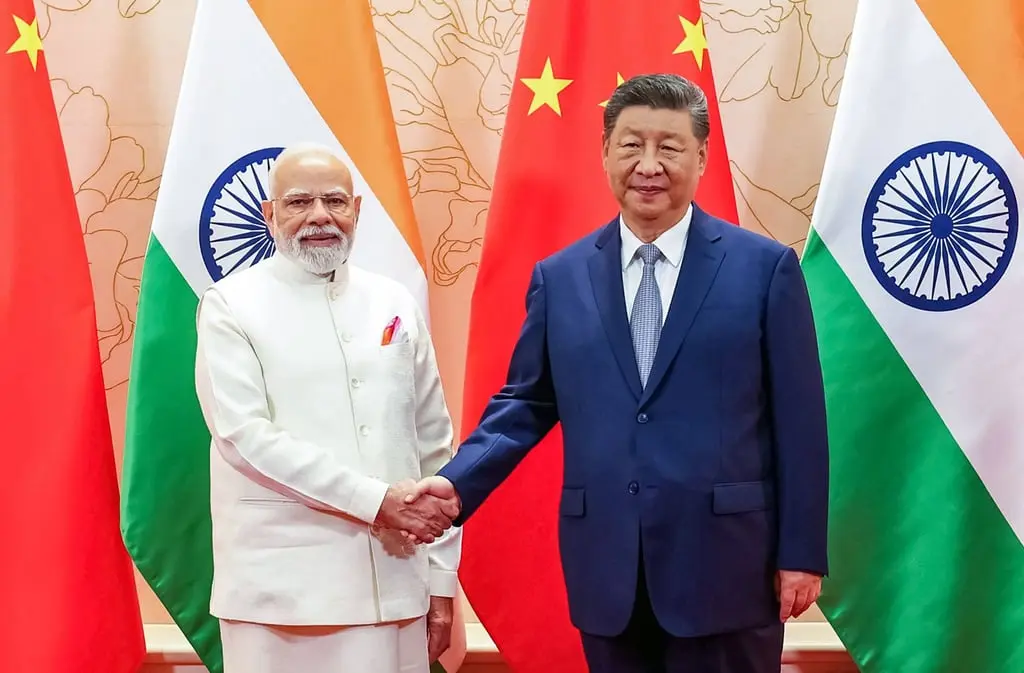
The paper urged Beijing to urgently expand bottom-up strategies, including cultivating non-governmental opinion leaders, to support its strategic interests in the Global South. The assessment comes despite a recent diplomatic thaw, including PM Modi's visit to China last year, after ties plunged following the 2020 Himalayan border clashes.
Indian Opinion Analysis
The paper's admission of a strategic gap is notable because it comes from state-affiliated academics, not dissidents. China's public diplomacy in India has historically relied on government media and cultural festivals, which have limited reach compared to India's vibrant private news ecosystem. The 2020 border clashes created a trust deficit that no official broadcast can easily bridge. The key signal to watch is whether Beijing actually shifts resources to non-state channels or continues its top-down approach. The next border talks, expected later this year, will test if any strategic shift accompanies the diplomatic thaw.
Source: scmp.com
This story was synthesised by AI from the source linked above. Methodology and corrections.