

















Now Reading: China uses dragon-elephant dance to frame India ties
-
01
China uses dragon-elephant dance to frame India ties


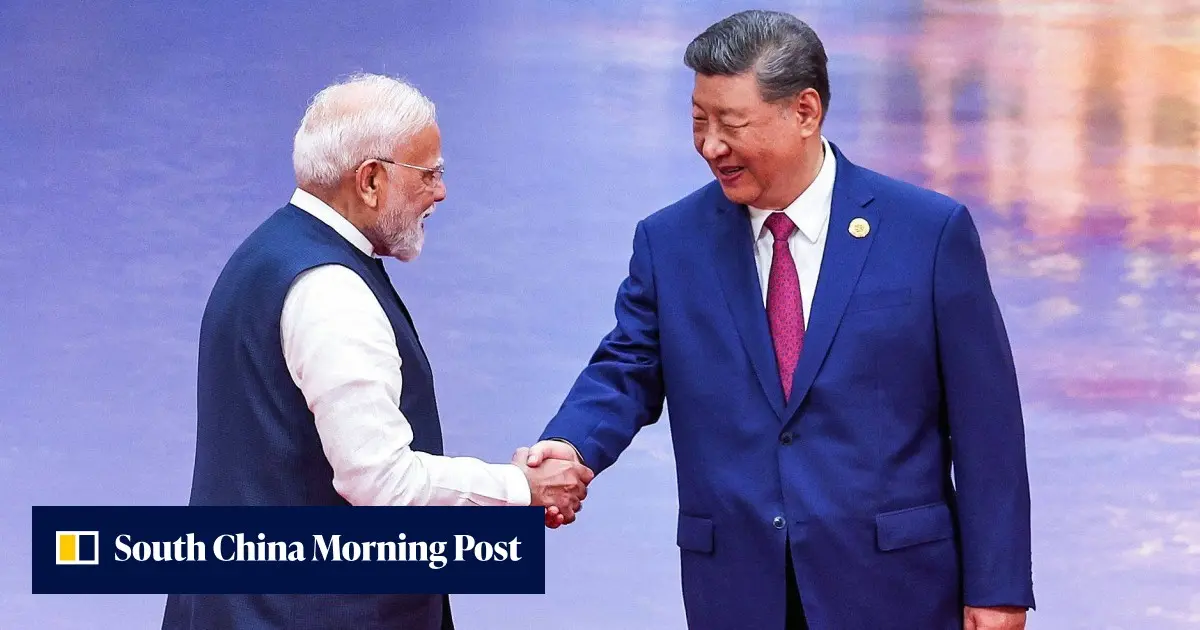
China has long portrayed India as an elephant in diplomatic discourse, a metaphor Beijing says underscores the two nations as development partners rather than rivals. The analogy gained official footing in 2010…
China has long portrayed India as an elephant in diplomatic discourse, a metaphor Beijing says underscores the two nations as development partners rather than rivals. The analogy gained official footing in 2010 when then-premier Wen Jiabao suggested the dragon and elephant should tango, a phrase that has since been repeated by Chinese leaders and amplified by state media.
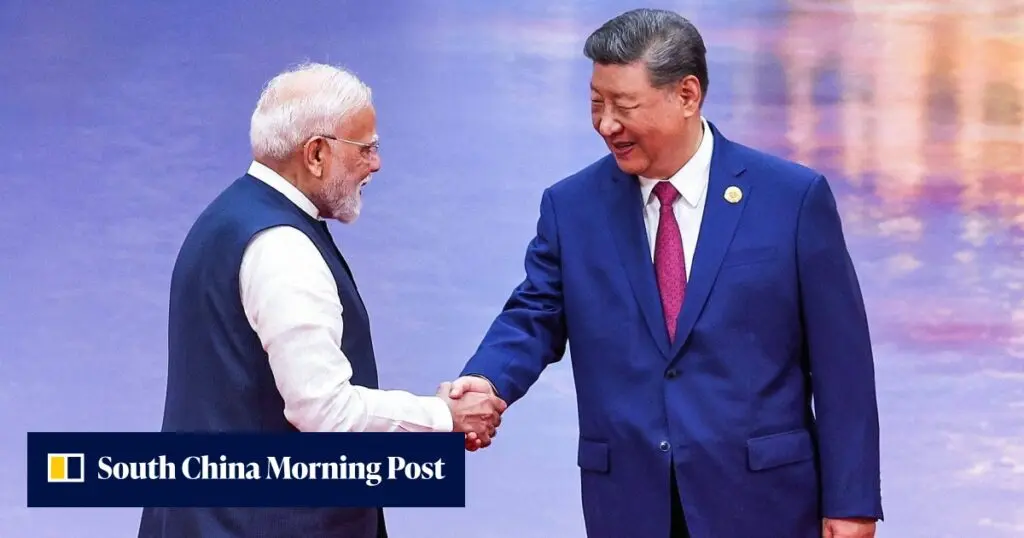
India has not embraced the rhetorical gesture. Indian experts say New Delhi's reluctance stems from a history of military confrontation and accumulated distrust with China. Chinese analysts, however, argue the metaphor signals Beijing's respect for India's civilisational heritage and its desire for cooperation.
The animal analogy has persisted through cycles of border tensions and diplomatic resets over the past 15 years, remaining a constant in peacetime official statements from Beijing.
Indian Opinion Analysis
The dragon-elephant framing is a classic Chinese diplomatic device: it projects a benign hierarchy by assigning each side a symbolic animal, making bilateral relations seem natural and inevitable. India has consistently refused to accept the metaphor, seeing it as a way to gloss over real disputes like the Line of Actual Control standoff. The real test of the framing will come at the next high-level border talks, where substance will matter more than symbolism.
Source: scmp.com
This story was synthesised by AI from the source linked above.