





Now Reading: Bengaluru woman harassed after replying to WhatsApp ‘hi’
-
01
Bengaluru woman harassed after replying to WhatsApp ‘hi’



A Bengaluru accountant, Shalini (name changed), received a WhatsApp 'hi' at 1.49 am on July 29 from number 9363284006. She ignored the message, but over the next two days the caller repeatedly…
The Story in Brief
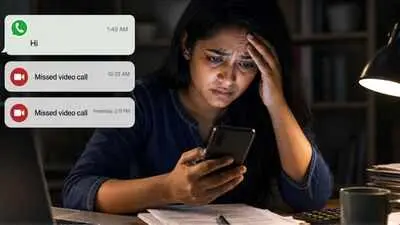
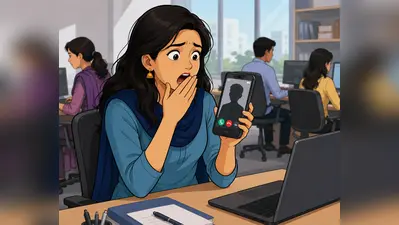
A Bengaluru accountant, Shalini (name changed), received a WhatsApp 'hi' at 1.49 am on July 29 from number 9363284006. She ignored the message, but over the next two days the caller repeatedly video-called her, exposing himself and performing obscene acts. She took screenshots and filed a complaint at Basavanagudi police station.
A similar case was registered on July 14, when an 18-year-old was lured via a fake parcel delivery story. The caller sent an obscene photo and abusive messages after the girl refused a video call. Both cases are under investigation. This is the second such incident reported in Bengaluru within a fortnight.
The Indian Opinion
The 'stranger danger' narrative around WhatsApp ignores a simpler question: why can't law enforcement trace a mobile number that made repeated calls? If police register cases but the caller goes free to target another woman, the system fails. The test is not how fast FIRs are filed, but how many such numbers lead to arrests.
Sources (2): timesofindia.indiatimes.com, timesofindia.indiatimes.com (2)
This story was synthesised by AI from the 2 sources linked above.
Updated: this story now draws on 2 sources.