
















Now Reading: Bhagavad Gita opens with inner battlefield of duty and consciousness
-
01
Bhagavad Gita opens with inner battlefield of duty and consciousness


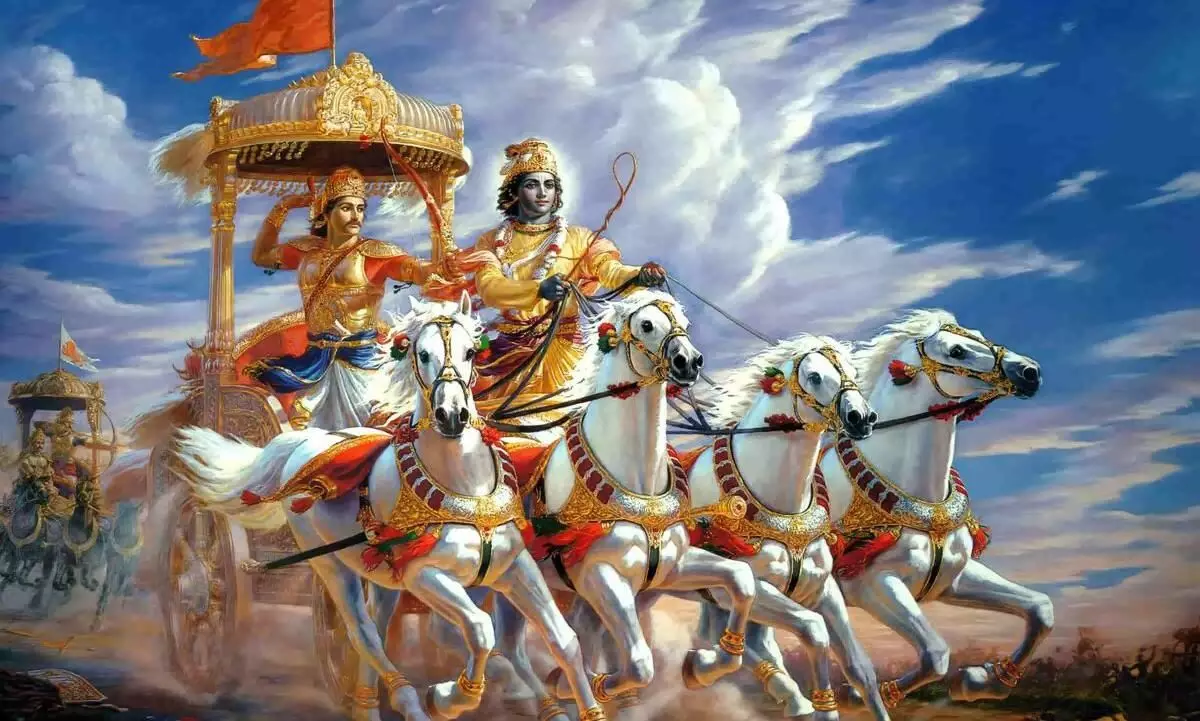
The Bhagavad Gita begins on the battlefield of Kurukshetra, described as dharma-kṣetra, a place of righteousness where duty and consciousness are tested. King Dhṛtaraṣṭra's opening question reveals his inner anxiety about whether the sacred environment might influence events against his selfish interests. Duryodhana's survey of the opposing army shows calculated confidence masking unease, highlighting how material consciousness focuses on power and external advantage.
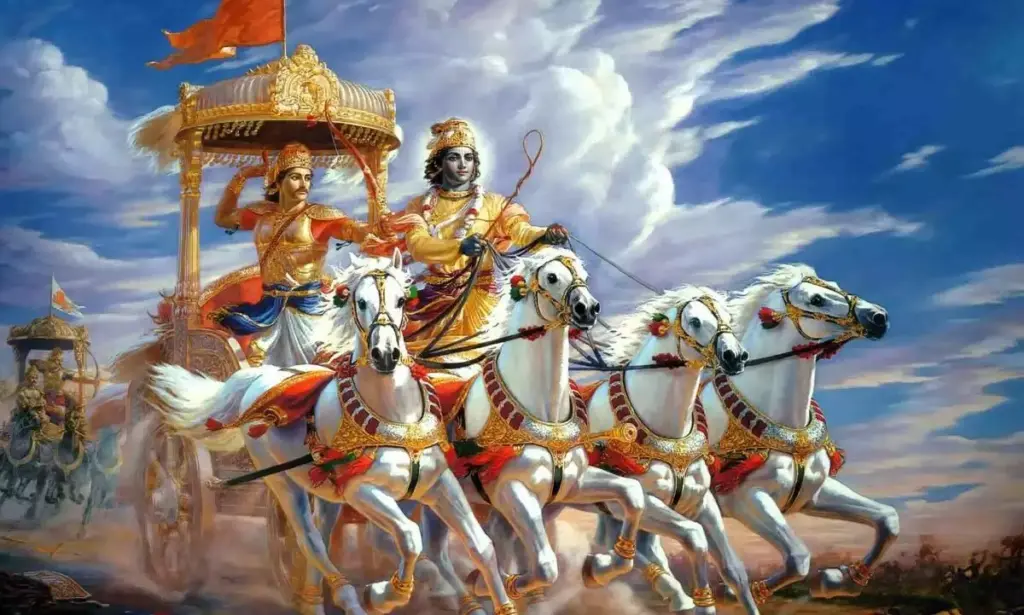
Authoritative Vaiṣṇava commentators emphasize Kurukshetra is a real field where dharma must be executed, and spiritual understanding guides rather than removes responsibility. Lord Krishna's direct presence in the conflict reflects a central teaching: the Supreme Divine Being offers guidance within life's complexities. The contrast between the two sides represents a deeper duality between action guided by dharma and action driven by attachment and self-interest.
Indian Opinion Analysis
This article interprets the Gita's opening as a framework for inner reflection rather than a historical war account. The Kurukshetra setting, named dharma-kṣetra, is central to Hindu philosophy as the ground where moral choices are tested. For Indian readers, the Gita remains a living text cited in courts, classrooms, and family disputes. The piece offers a Vedantic lens that prioritises consciousness over strategy. The next step for a reader is to consider which side of the duality, dharma or attachment, guides their own daily decisions.
Source: millenniumpost.in
This story was synthesised by AI from the source linked above. Methodology and corrections.