
















Now Reading: Bihar CM orders 2-hour response on sensitive social media cases
-
01
Bihar CM orders 2-hour response on sensitive social media cases


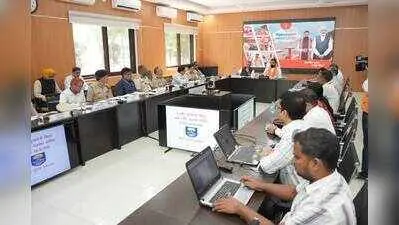
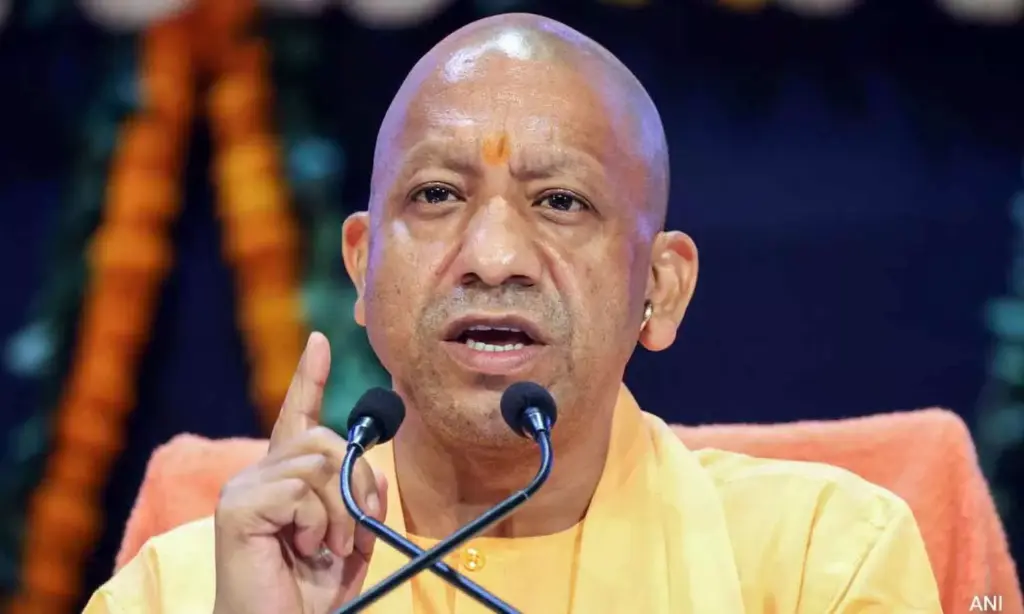
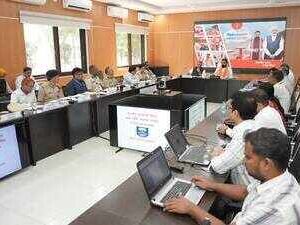
Bihar chief minister Samrat Choudhary on Friday, 9 October 2026, directed police to prepare district- and station-wise lists of criminals, step up surveillance on habitual offenders and ensure a response within two hours in sensitive cases involving social media. He issued the directives at a high-level review meeting in Patna, which was attended by deputy chief minister Vijay Kumar Choudhary and other officials.
The Times of India reports the CM said law and order was among the state government's highest priorities and asked police to be more accountable and technology-driven. The Hindu notes that the meeting comes amid more than half a dozen recent molestation cases and assaults on women, including minors, that have embarrassed the government, with opposition parties attacking it over law and order and calling it 'Rakshas Raj' (Demon Rule). Even NDA ally Chirag Paswan said he was ashamed to be part of the alliance over the cases.
The CM directed officials to use the Crime Control Act against habitual offenders, strengthen monitoring of cybercrime, widely publicise helpline 1930, and act against misleading or objectionable social media content. He also called for strict action against the narcotics trade, measures to keep competitive exams free of malpractice, and better facilities for women police personnel.
Indian Opinion Analysis
The Times of India reports the CM's directives as a proactive law-and-order push, leading with the two-hour response order and listing the action points without mentioning the recent crimes that prompted the meeting. The Hindu frames the same directives as a damage-control response to a series of sexual assault cases that have drawn opposition fire and criticism from within the ruling NDA, naming Chirag Paswan's public rebuke. The Times of India omits any mention of the embarrassing incidents or the opposition attacks, while The Hindu places the CM's meeting squarely in that context. The balanced reading is that the government is acting after a crisis, but the Times of India coverage treats the move as a routine administrative review. The concrete trigger for the meeting, which The Hindu names and the Times of India leaves out, is the half a dozen recent molestation cases.
Coverage: 2 sources, 1 pro-government, 1 government-critical
Sources (2): timesofindia.indiatimes.com (pro government), thehindu.com (government critical)
This brief was synthesised by AI from the 2 sources linked above, so one read covers every framing they carry. Methodology and corrections.