








Now Reading: Bihar’s Green Budget Triples, But Environmental Gains Remain Elusive
-
01
Bihar’s Green Budget Triples, But Environmental Gains Remain Elusive


Bihar’s green budget has grown from Rs 56 billion in 2020-21 to about Rs 158 billion in 2026, but environmental indicators show limited progress, Mongabay-India reports. Renewable capacity rose from 376 MW…
The Story in Brief
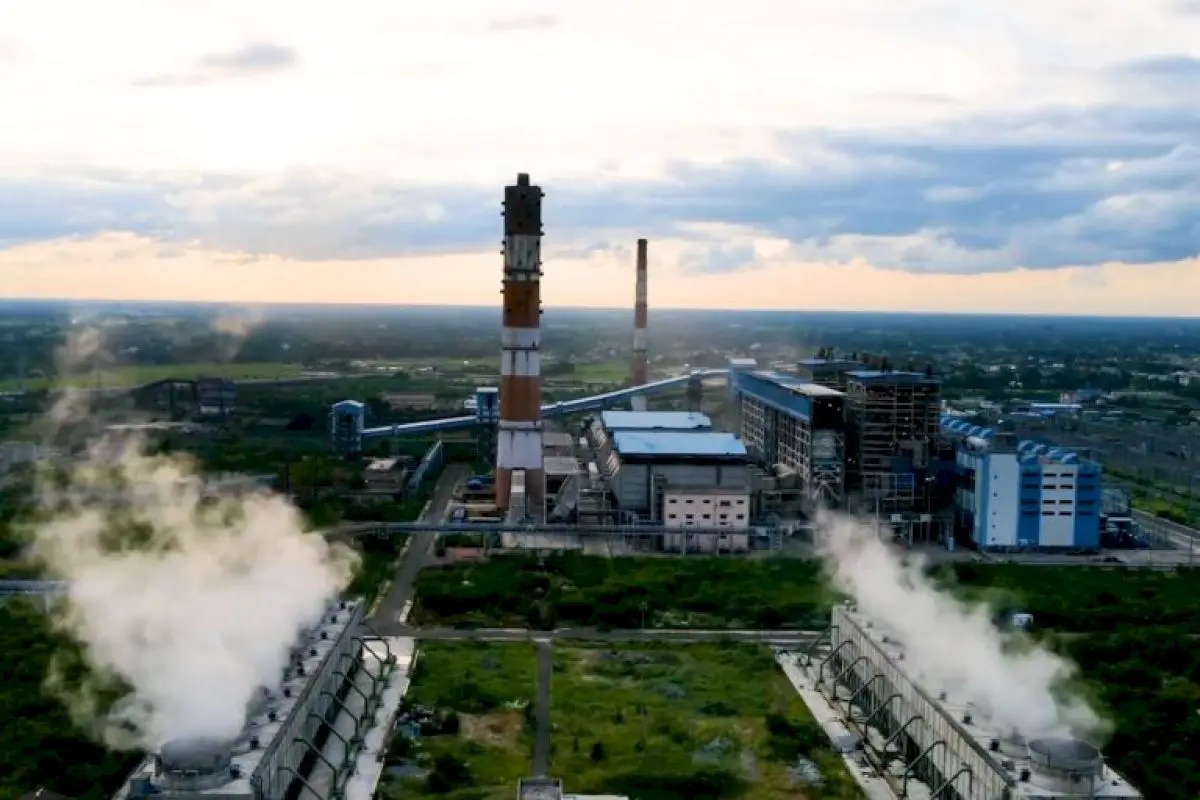
Bihar’s green budget has grown from Rs 56 billion in 2020-21 to about Rs 158 billion in 2026, but environmental indicators show limited progress, Mongabay-India reports. Renewable capacity rose from 376 MW to 651 MW, far below the state pollution board’s 10,000 MW target for 2030. Natural water bodies shrank by 16,843 hectares between 2019 and 2025, while waste processing fell to about 30% in 2025 from 58% in 2021.
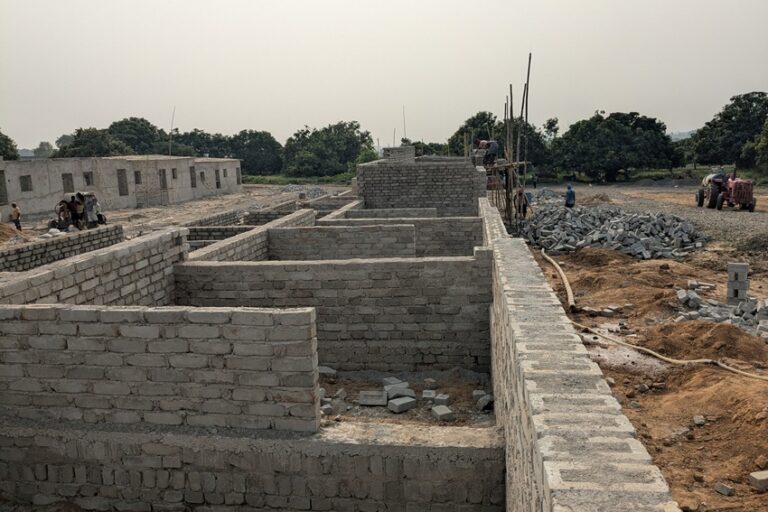
PM2.5 levels exceeded normal limits in 20 of Bihar’s 23 monitored cities in 2025, while sulphur dioxide levels rose from 8.6 to 11.4 micrograms per cubic metre since 2020. Bihar used 60% of funds allocated under the National Clean Air Programme. Researchers quoted by Mongabay-India called for independent evaluations linking spending to measurable outcomes.
The Indian Opinion
The lazy claim that a larger green budget automatically means cleaner air, protected wetlands and better waste services is not supported by these figures. Nor does the data prove that every rupee was wasted. Bihar needs public project-level reporting, independent audits and targets tied to outcomes rather than allocations. The clearest tests are renewable capacity by 2030, waste processing rates and PM2.5 readings across the 23 monitored cities.
Source: india.mongabay.com
This story was synthesised by AI from the source linked above.