












Now Reading: Bombay HC convicts Tarun Tejpal of rape, calls earlier judgment ‘perverse’
-
01
Bombay HC convicts Tarun Tejpal of rape, calls earlier judgment ‘perverse’


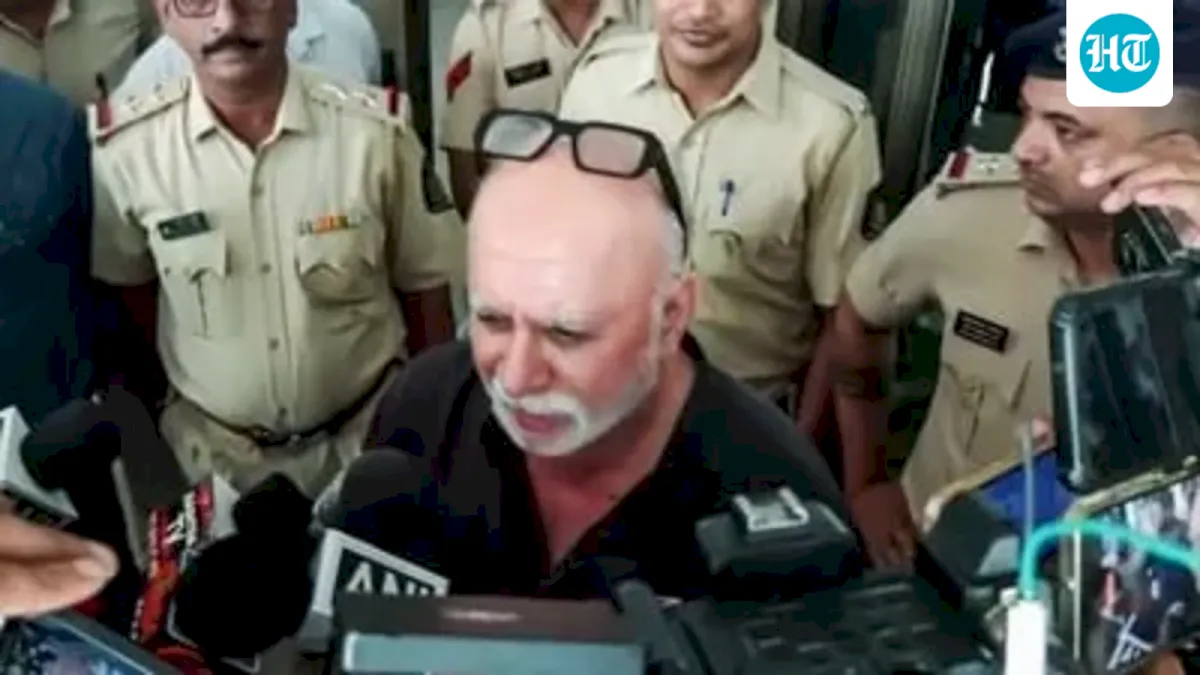
The Bombay High Court on Thursday overturned Tarun Tejpal's 2021 acquittal on rape charges and sentenced the former Tehelka editor to 10 years in jail. Justices Neela Gokhale and Amit Jamsandekar called…
The Story in Brief
The Bombay High Court on Thursday overturned Tarun Tejpal's 2021 acquittal on rape charges and sentenced the former Tehelka editor to 10 years in jail. Justices Neela Gokhale and Amit Jamsandekar called the trial court's 527-page judgment "perverse" for using stereotypes about how a rape survivor should behave. The case dates back to 2013, when a woman journalist accused Tejpal of rape in a Goa hotel elevator during a conference. Tejpal has said he will appeal.
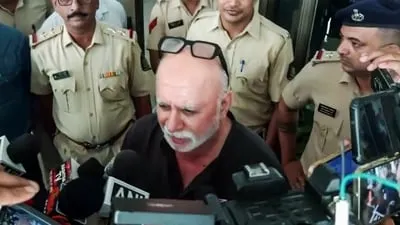
The verdict comes as a separate handbook on gender-sensitive judgments, released in 2026, urges courts to abandon patriarchal terms like "prosecutrix" and to treat survivors with dignity. In a separate case, ex-Wrestling Federation of India chief Brij Bhushan Singh was acquitted after four women wrestlers accused him of sexual harassment; three of them turned hostile during the trial.

The Indian Opinion
Every high-profile sexual assault trial in India seems to split into two parallel cases: one against the accused, and one against the survivor's character. The 2026 judicial handbook aims to scrub courtrooms of words like "chastity" and "helpless female," but a vocabulary change alone won't erase a system where four of five stakeholders didn't know the Witness Protection Scheme exists. The real test isn't what judges write, it's whether the next Brij Bhushan trial sees witnesses protected and a verdict delivered in months, not years.
Sources (2): hindustantimes.com, hindustantimes.com (2)
This story was synthesised by AI from the 2 sources linked above.
Updated: this story now draws on 2 sources.