






Now Reading: Bombay HC warns Imran Khan can’t protest as OCI cardholder
-
01
Bombay HC warns Imran Khan can’t protest as OCI cardholder


The Story in Brief
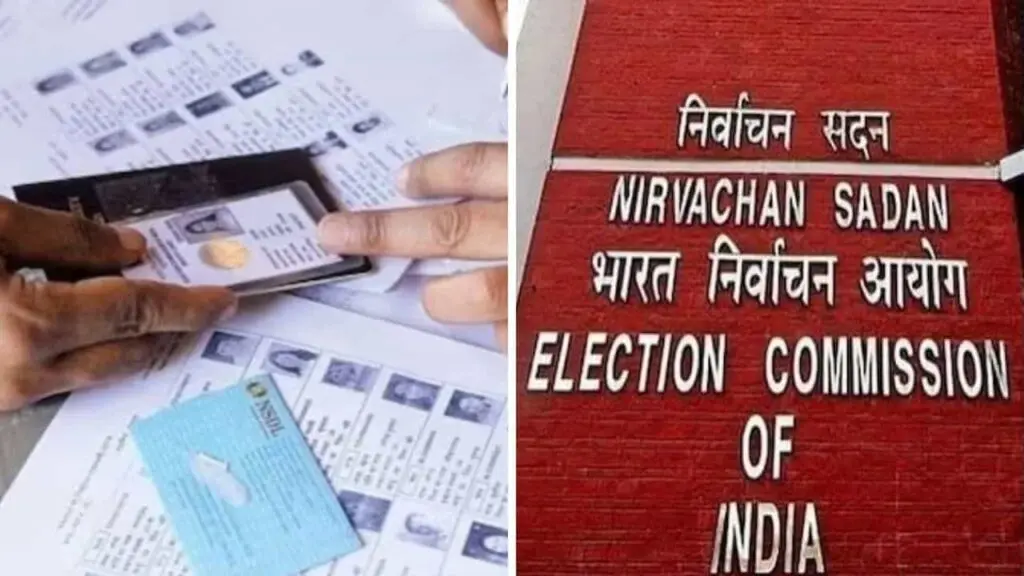
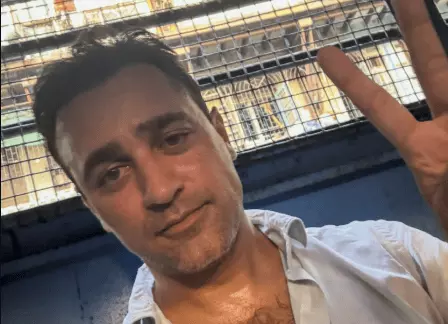
The Bombay High Court on 2 November accepted actor Imran Khan's unconditional apology for participating in a 10 October protest in Mumbai against Chief Election Commissioner Gyanesh Kumar and the Special Intensive Revision of electoral rolls. The bench of Chief Justice Mahesh Chandra Tripathi and Justice Advait Sethna extended interim protection against a 'Leave India' notice issued by the FRRO, keeping the notice in abeyance until the FRRO hears Khan after recording his undertaking not to protest again.
The court observed that an Overseas Citizen of India cardholder has no fundamental right to protest and ‘cannot criticise’ India, stating such cardholders ‘are at the mercy of the country’. Khan, a US citizen, was issued the notice on a complaint by former BJP MP Kirit Somaiya. The next hearing is scheduled for 7 December.
Indian Opinion Analysis
LiveLaw and The Federal report the court order in neutral, legalistic detail, while The Indian Express editorialises against the bench's oral observations, calling them ‘disquieting’ and a blow to democratic space. The straight reporting notes the court’s constitutional ground and the gap in statute law, the editorial foregrounds the contradiction between India’s embrace of the diaspora and its curbs on their civic participation. The balanced reading is that both sides are anchored in different parts of the same events: the order itself is legally supportable, but the court’s rhetoric and the absence of explicit statutory bars to protest leave room for the civil liberties concern The Indian Express presses. The next hearing is December 7, when the court may clarify or finalise the terms of the 'Leave India' notice.
Coverage: 3 sources, 1 government-critical, 2 neutral
Sources (3): livelaw.in (neutral report), thefederal.com (neutral report), indianexpress.com (government critical)
This brief was synthesised by AI from the 3 sources linked above, so one read covers every framing they carry. Methodology and corrections.