






Now Reading: Bombay HC to hear challenge to Maharashtra Marathi driver rule on Wednesday
-
01
Bombay HC to hear challenge to Maharashtra Marathi driver rule on Wednesday

Bombay HC to hear challenge to Maharashtra Marathi driver rule on Wednesday

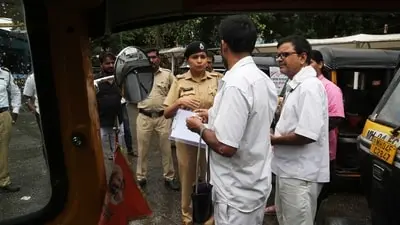
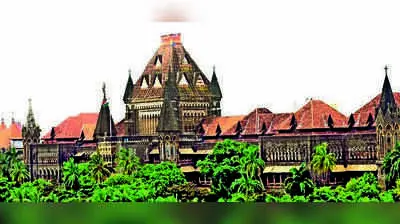
The Bombay High Court will hear a Public Interest Litigation on August 26 challenging the Maharashtra government's rule requiring commercial drivers to have a working knowledge of Marathi. Four cab drivers have also moved the court seeking an immediate stay on the government notification, which affects nearly 9.65 lakh drivers across the state.
The August 12 notification amended the Maharashtra Motor Vehicles Rules to make Marathi proficiency a condition for licence grants, renewals, and permit holders. Drivers who fail on-road tests face a one-month notice followed by a three-month licence suspension. The plea argues the rule violates fundamental rights and exceeds the Motor Vehicles Act. Auto drivers staged a protest on Monday, disrupting travel in Mumbai. The state has announced 161 Marathi language training centres and a helpline. The court will hear the matter before Acting Chief Justice Ravindra Ghuge.
Indian Opinion Analysis
All three outlets report the same core facts: the Bombay High Court will hear a challenge to Maharashtra's Marathi language rule for commercial drivers. Hindustan Times leads with the cab drivers' petition and includes details of the protest by auto drivers, giving voice to the affected workers. The Hindu frames the story entirely around a PIL filed by civil rights groups, foregrounding constitutional arguments about citizenship and livelihood, without mentioning the strike. Times of India takes a lighter, anecdotal approach, leading with cynical driver strategies to exploit the rule. No outlet takes an overtly pro-government or critical stance, the variation is in whose perspective opens the story. The court's hearing on August 26 will decide whether enforcement proceeds or is stayed.
Coverage: 3 sources, 2 neutral, 1 sensationalist
Sources (3): hindustantimes.com (neutral report), thehindu.com (neutral report), timesofindia.indiatimes.com (sensationalist)
This brief was synthesised by AI from the 3 sources linked above, so one read covers every framing they carry. Methodology and corrections.
Updated: this story now draws on 3 sources.