













Now Reading: Bonda women preserve Odisha’s Ringa weaving tradition
-
01
Bonda women preserve Odisha’s Ringa weaving tradition


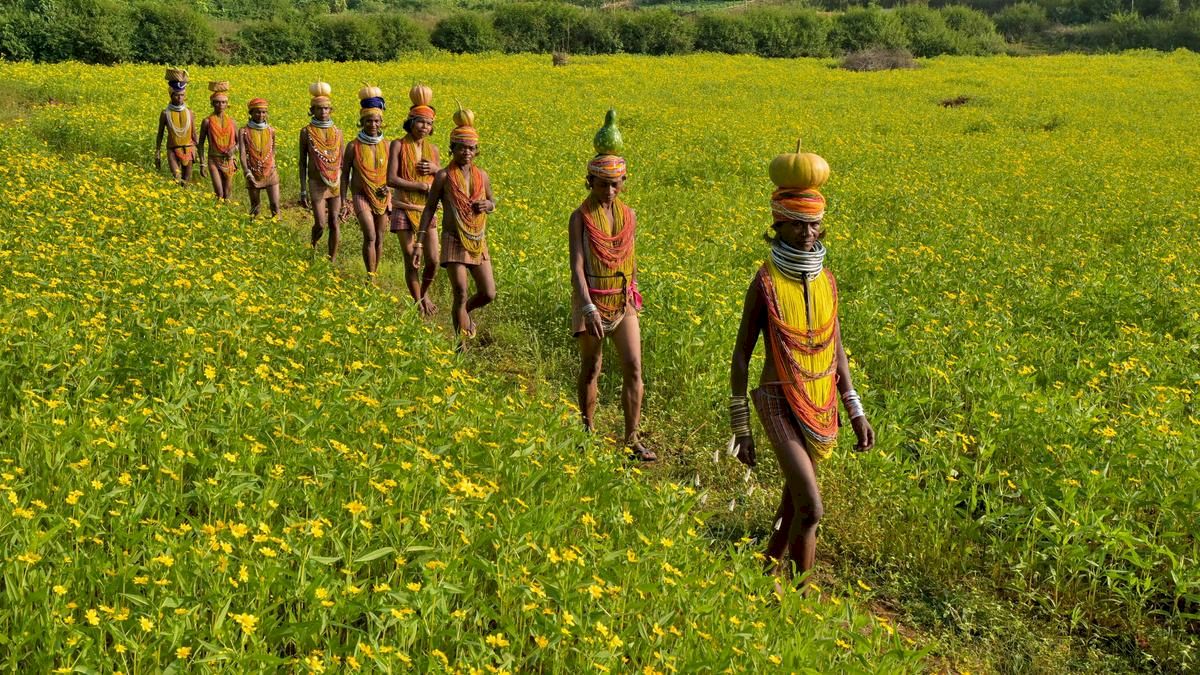
In Odisha’s Malkangiri district, Bonda women continue to weave the Ringa, a striped wraparound skirt central to their community’s identity. The garment is made on indigenous looms in villages such as Gokharipada…
The Story in Brief
In Odisha’s Malkangiri district, Bonda women continue to weave the Ringa, a striped wraparound skirt central to their community’s identity. The garment is made on indigenous looms in villages such as Gokharipada and usually takes two to three days, depending on the yarn, design and time available after daily work. Traditionally woven from Kerang tree fibre, it is now mostly made with cotton yarn as markets have become more accessible.
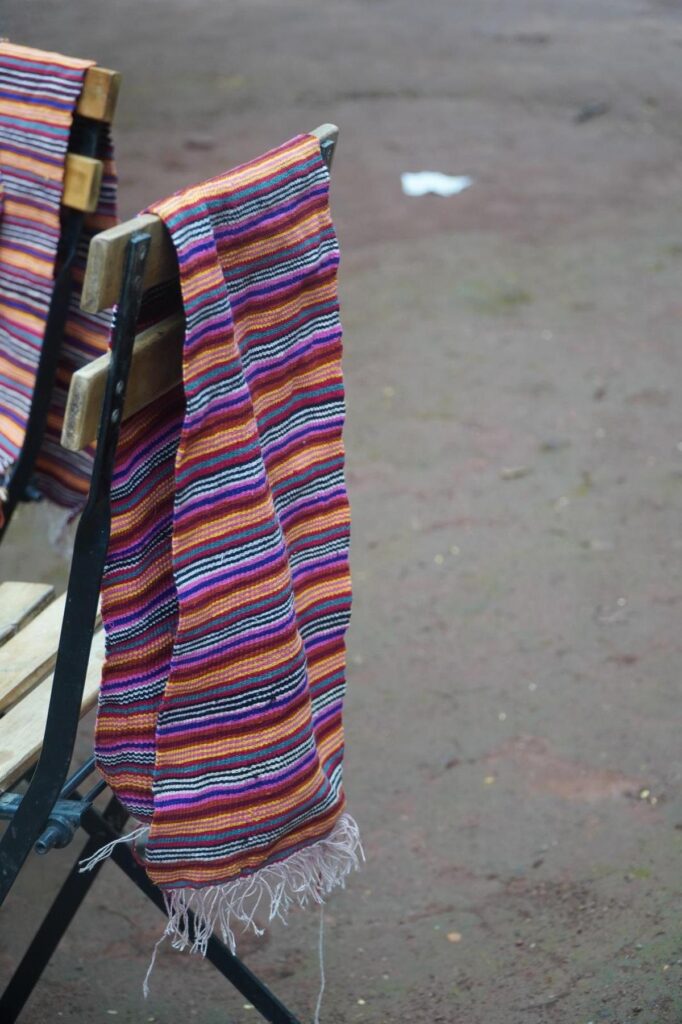
The Bonda are recognised as a Particularly Vulnerable Tribal Group and live in the Bonda Hills. Women pass weaving skills from mothers and grandmothers to daughters while also farming, collecting forest produce and trading at the weekly Onukudelli market. The Ringa was made mainly for personal use, rather than commerce, and remains durable everyday clothing.
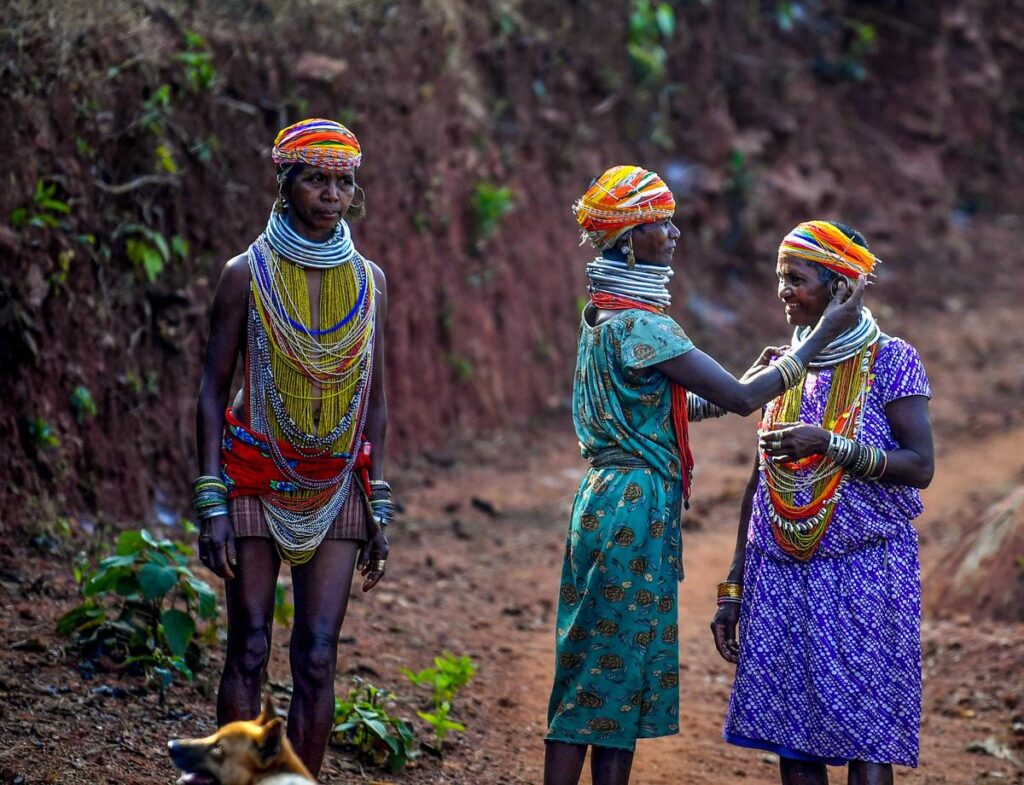
The Indian Opinion
The lazy story would cast the Bonda as a people frozen in time, or turn the Ringa into just another marketable craft. Both miss the point. Cotton has replaced Kerang fibre, yet women still weave the garment around farming and household work, not as a specialised trade. Any effort to promote it should protect that choice and credit the makers. The useful test is simple: do Bonda women control how the cloth is made, sold and represented?
Source: thehindu.com
This story was synthesised by AI from the source linked above.