






















Now Reading: Book traces how Afghan jihad seeded Pakistan’s terror network against India
-
01
Book traces how Afghan jihad seeded Pakistan’s terror network against India

Book traces how Afghan jihad seeded Pakistan’s terror network against India

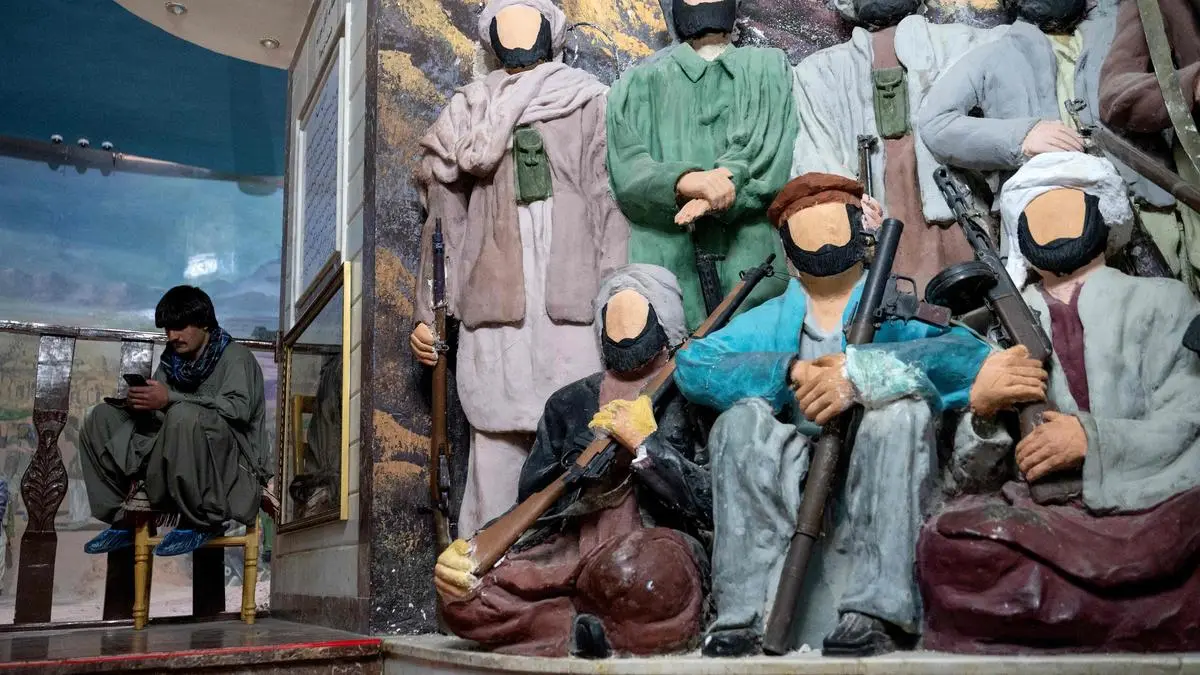
A new book by retired IPS officer Anju Gupta, Glocal Terror in South Asia, traces the origins of Pakistan's terror infrastructure targeting India back to the Afghan jihad of the 1980s. Gupta details how the CIA and Saudi Arabia funded anti-Soviet Mujahideen through Pakistan's ISI, creating a transnational network of Arab fighters who were later redirected to Kashmir. The book notes that Pakistan's dictator Zia-ul-Haq equated Afghanistan, Palestine and Kashmir in the late 1980s, and that by 1993 over a thousand Arab Afghans had trained at Pakistani centres before being dispatched to Kashmir.
The book also documents how Osama bin Laden listed Kashmir as a non-Arab theatre for Al-Qaeda in 1988. Saudi Arabia contributed an estimated $4 billion to the Afghan jihad, double the CIA's $2 billion. The Muridke headquarters of Lashkar-e-Taiba, struck by India in Operation Sindoor in 2025, was built on this foundation of state-sponsored jihad exported from Pakistan.
Indian Opinion Analysis
Anju Gupta's book arrives at a moment when the security establishment is still absorbing the lessons of Operation Sindoor. The central thread she traces, that Pakistan's terror infrastructure in Kashmir was built on the skeleton of the Afghan jihad, is not new to analysts, but the book's value lies in documenting the financial and operational scale of that transfer. The ISI's role in redirecting foreign fighters from Afghanistan to Kashmir after the Soviet withdrawal is a well-documented pattern: the Ministry of Home Affairs' annual reports between 1990 and 1995 noted a sharp rise in infiltration of non-Kashmiri militants. What remains contested is whether the current pause in cross-border terror after the 2025 strikes represents a genuine strategic shift in Rawalpindi or a tactical recalibration. The next monsoon, when infiltration routes through the Pir Panjal become active again, will be the test.
Source: frontline.thehindu.com
This brief was synthesised by AI from the source linked above. Methodology and corrections.