Now Reading: UN Security Council attributes November 2025 Red Fort blast to AQIS
-
01
UN Security Council attributes November 2025 Red Fort blast to AQIS


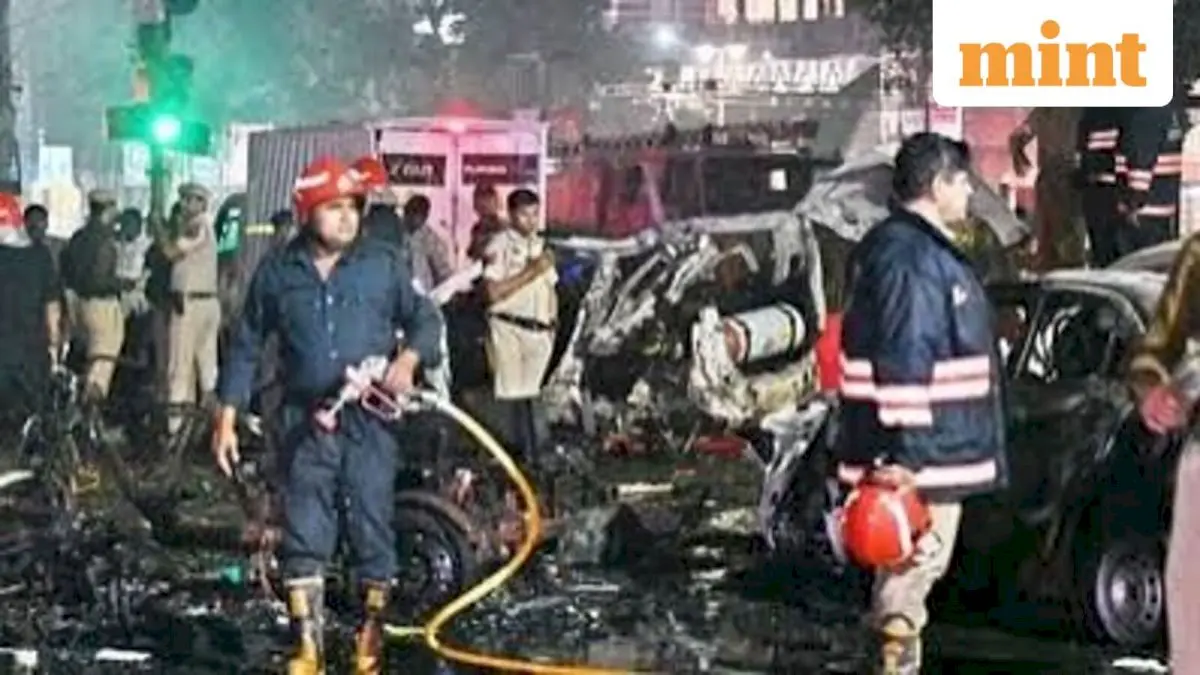
The United Nations Security Council has officially attributed the November 2025 blast near Delhi’s Red Fort to Al-Qaeda in the Indian Subcontinent (AQIS), according to the 38th report of its Analytical Support…
The Story in Brief
The United Nations Security Council has officially attributed the November 2025 blast near Delhi’s Red Fort to Al-Qaeda in the Indian Subcontinent (AQIS), according to the 38th report of its Analytical Support and Sanctions Monitoring Team. The explosion, which killed 11 people and injured over two dozen, occurred when a Hyundai i20 carrying suspected suicide bomber Umar Un Nabi detonated near the historic monument.
The report says AQIS has evolved from a fragmented group into a regional terrorist entity with strengthened logistics and financial networks, operating through small, scattered cells. It raises concerns about the group's efforts to use Bangladesh as a base. Separately, the report notes ISIL-linked instructions for producing biological toxins such as ricin, and that Indian authorities arrested three people, including a doctor, on charges of developing ricin for an ISIL cell abroad.
The Indian Opinion
The 'Terroristan' label pushed by some Indian outlets oversimplifies a complex threat. The UN report notes AQIS operates in decentralised cells across the region, not as a state arm. Blaming Pakistan wholesale ignores that the group also uses Bangladesh as a base and that the Taliban in Afghanistan remain unable to suppress terrorist groups. The real test will come when the NIA chargesheet reveals whether foreign handlers directed the Red Fort attacker, and which state, if any, provided material support.
Sources (2): livemint.com, timesnownews.com
This story was synthesised by AI from the 2 sources linked above.
Updated: this story now draws on 2 sources.