















Now Reading: Trump rejects Iran peace proposal as oil prices climb above $105
-
01
Trump rejects Iran peace proposal as oil prices climb above $105

Trump rejects Iran peace proposal as oil prices climb above $105

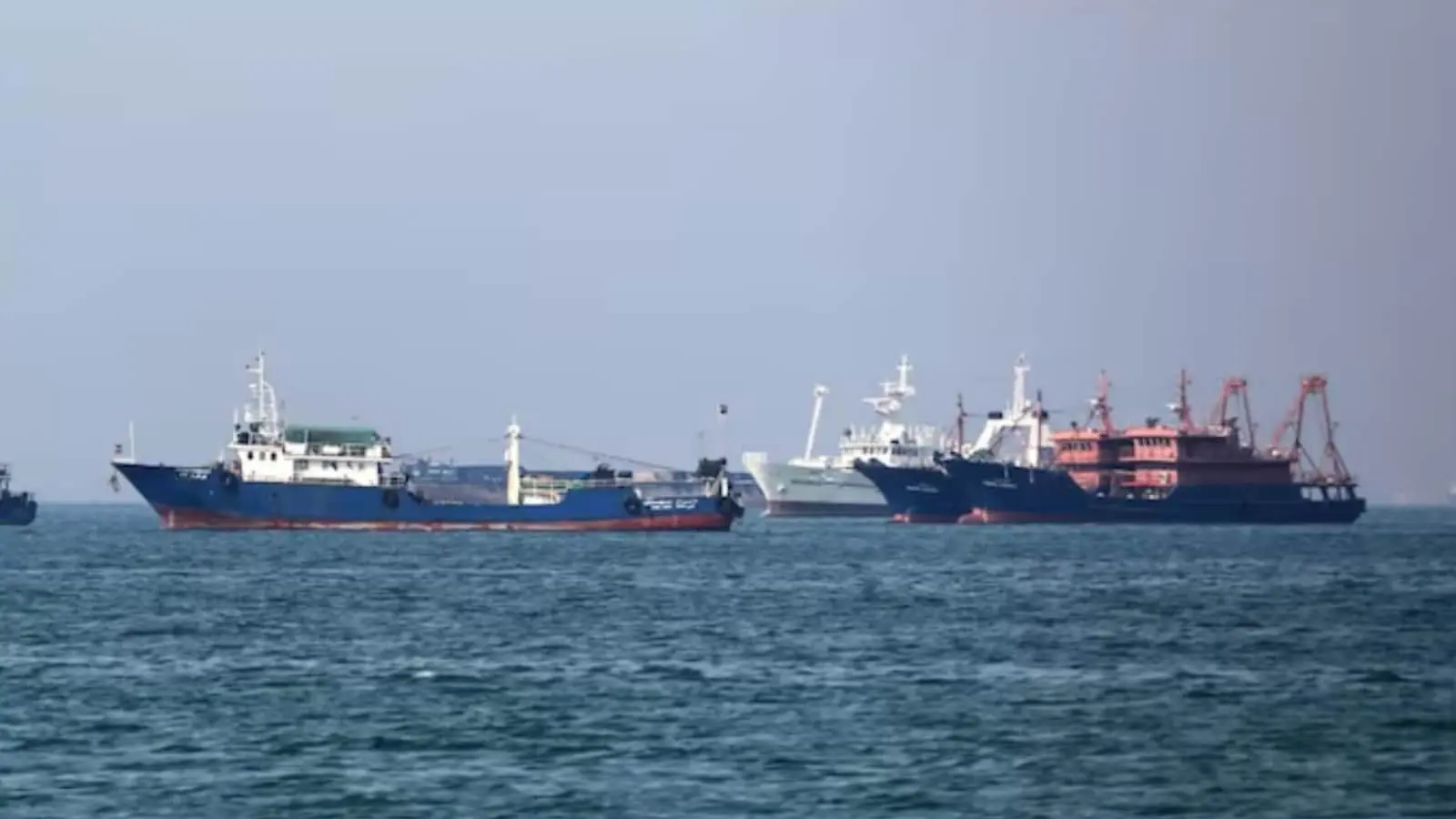
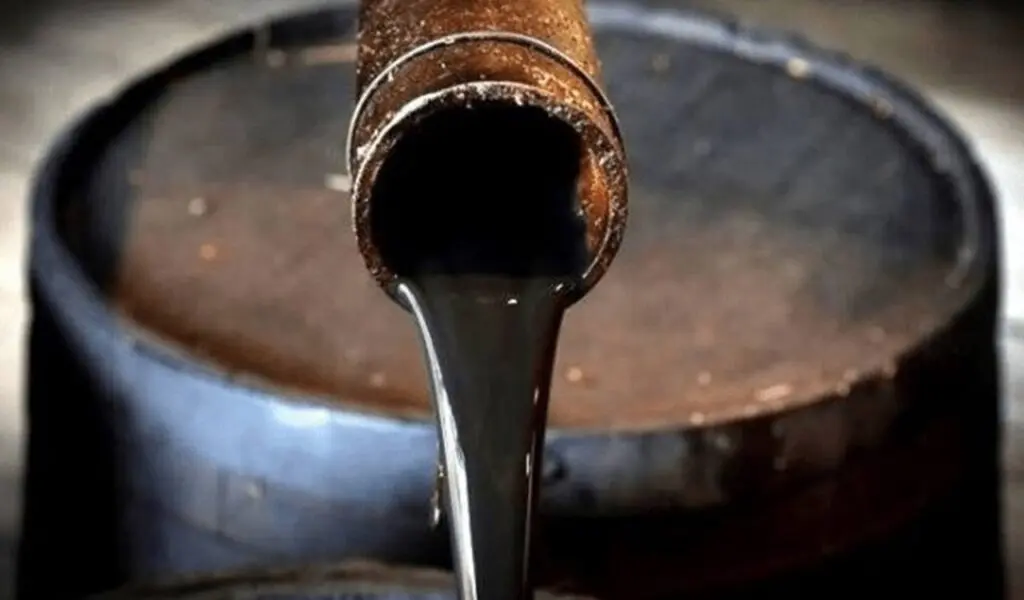
Oil prices rose on Monday after US President Donald Trump rejected Iran's peace proposal to end the conflict and reopen the Strait of Hormuz. Brent crude climbed 1.18% to $105.50 a barrel,…
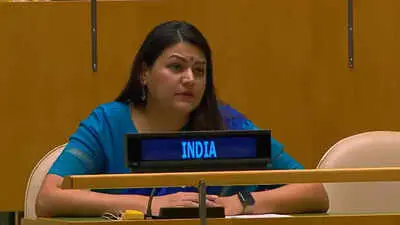
Oil prices rose on Monday after US President Donald Trump rejected Iran's peace proposal to end the conflict and reopen the Strait of Hormuz. Brent crude climbed 1.18% to $105.50 a barrel, while US West Texas Intermediate gained 0.77% to $93.12. The proposal had been conveyed to the US through Qatari mediators at the UN last week.
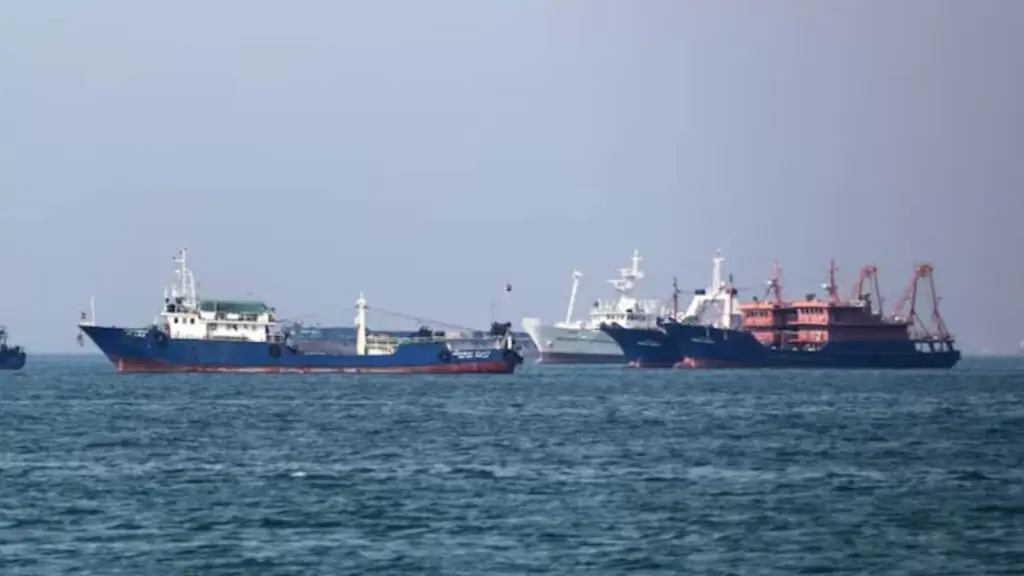
Trump told Axios he expected further talks this week, leaving the door open to renewed negotiations. Tensions remained elevated after Yemen's Saudi-led coalition said it intercepted two ballistic missiles and two drones launched by Iran-backed Houthis. Despite the Straits crisis, preliminary Kpler data shows crude exports from major Middle East producers rose to 12.8 million barrels per day in September, the highest since the war began. US markets are watching whether Washington restricts diesel exports to curb record domestic prices.
Indian Opinion Analysis
All three sources report the same core facts: US President Trump rejected Iran's peace proposal, Middle East tensions remain high, and oil prices rose in response. The Hindu reports Brent crude at $105.50 and WTI at $93.12, with details of Houthi missile interceptions and rising exports through the Strait of Hormuz. Deccan Herald focuses on the price movement and the stalled talks, omitting the proposal's content and Trump's comment about further negotiations. NDTV Profit leads with the broader context of a weekly price decline, framing the rise as a partial rebound. The key difference lies in depth: timesofindia provides the most comprehensive context of the proposal, rejection, and regional military developments.
Coverage: 3 sources, 3 neutral
Sources (3): ndtvprofit.com (neutral report), deccanherald.com (neutral report), timesofindia.indiatimes.com (neutral report)
This brief was synthesised by AI from the 3 sources linked above, so one read covers every framing they carry.
Updated: this story now draws on 3 sources.