











Now Reading: BRICS adopts New Delhi Declaration after Iran-UAE talks
-
01
BRICS adopts New Delhi Declaration after Iran-UAE talks


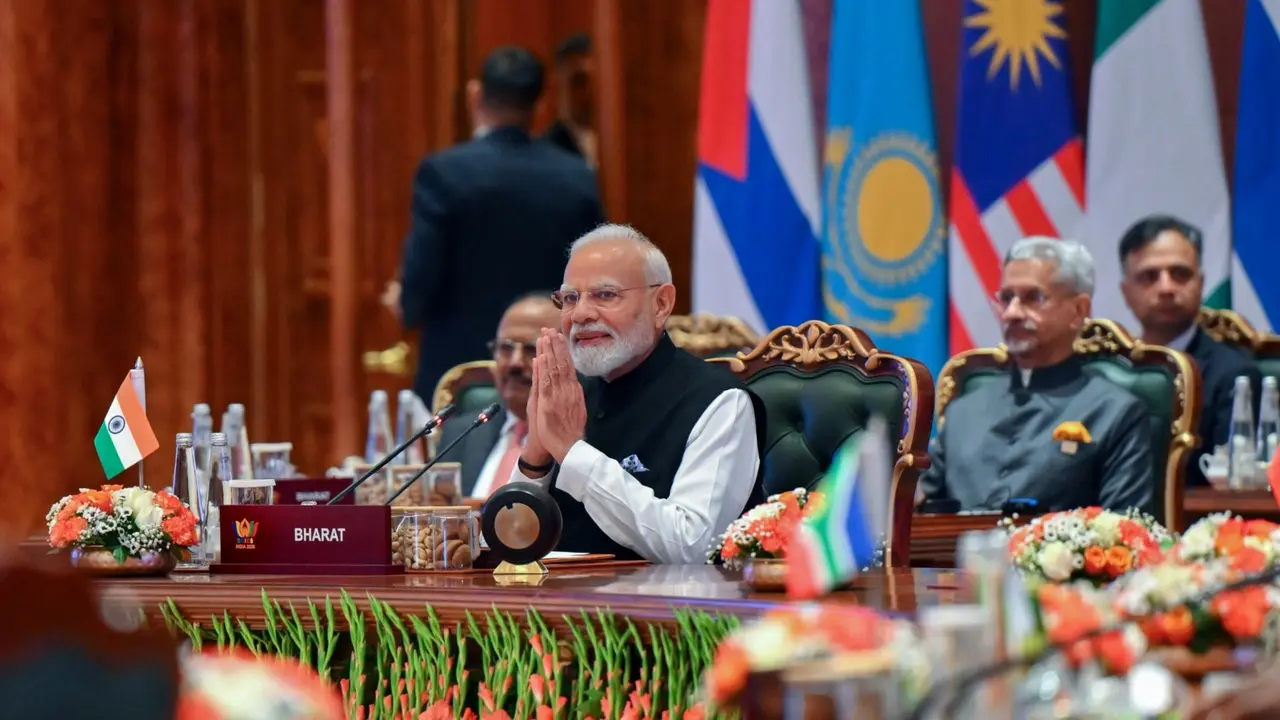
The 18th BRICS Summit in New Delhi unanimously adopted the New Delhi Declaration 2026 on September 12, after intensive negotiations that overcame differences between Iran and the UAE over the West Asia…
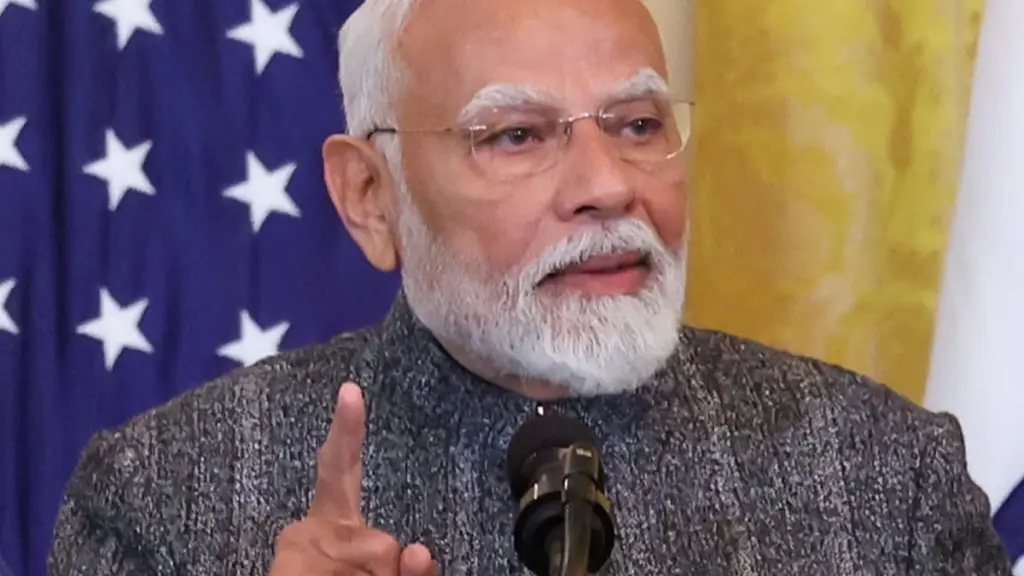
The 18th BRICS Summit in New Delhi unanimously adopted the New Delhi Declaration 2026 on September 12, after intensive negotiations that overcame differences between Iran and the UAE over the West Asia conflict. Prime Minister Narendra Modi announced the adoption, saying no member raised objections. The declaration calls for restraint in West Asia, protection of civilians, and adherence to international law, using carefully balanced language to address both Tehran's and Abu Dhabi's concerns.
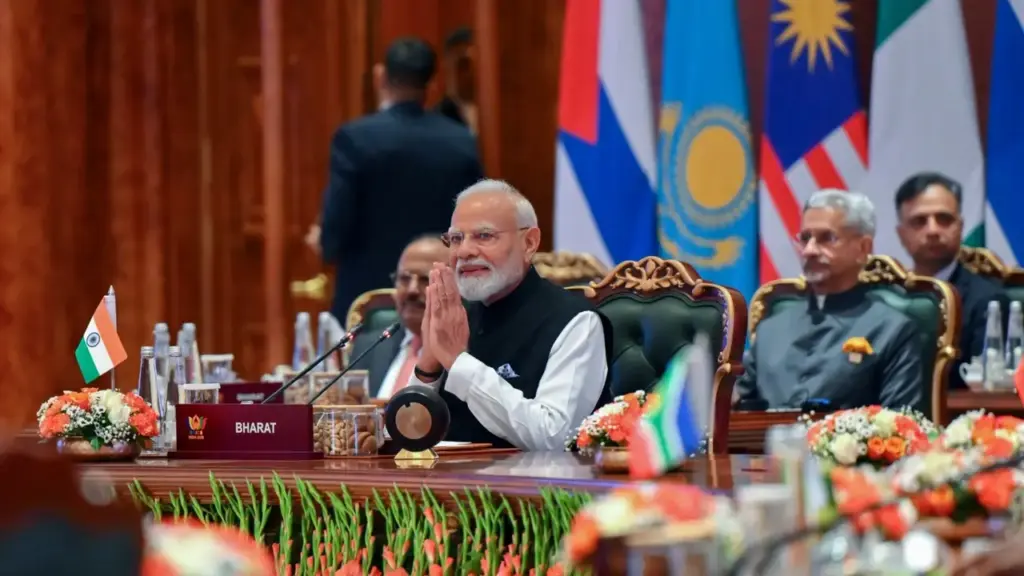
The summit saw bilateral meetings between Modi and Chinese President Xi Jinping, marking Xi's first India visit in seven years, with both leaders stressing the need to resolve border issues peacefully. Modi also met Russian President Vladimir Putin, Iranian President Masoud Pezeshkian, and other leaders. The declaration advocates reformed multilateralism, criticizes unilateral sanctions, and backs greater use of local currencies in trade. India proposed a BRICS Reform Roadmap and measures to support startups and remove trade barriers.
Indian Opinion Analysis
Pro-government sources like republicworld.com and timesofindia.indiatimes.com framed the summit as a diplomatic triumph for India's leadership, highlighting Modi's role in building consensus. Government-critical and neutral outlets such as hindustantimes.com and thehindu.com noted the declaration's deliberate ambiguity on key conflicts, omitting direct criticism of US-Israel strikes on Iran. The balanced reading: India successfully hosted a fractious grouping, but the price of unanimity was careful language that avoids naming aggressors. The next test is whether BRICS can translate rhetorical consensus into action, particularly on trade and de-dollarisation.
The summit demonstrated India's ability to bridge divides between rival members, but the declaration's cautious wording on West Asia underscores the bloc's limits as a geopolitical actor. The real measure of success will be whether the expanded BRICS can implement its stated goals on local currency trade and digital infrastructure by China's chairmanship in 2027.
Coverage: 19 sources, 4 pro-government, 1 government-critical, 1 left-leaning, 12 neutral, 1 sensationalist
Sources (19): republicworld.com (pro government), hindustantimes.com (neutral report), timesofindia.indiatimes.com (pro government), livemint.com (pro government), newindianexpress.com (neutral report), newindianexpress.com (2) (neutral report), government.economictimes.indiatimes.com (neutral report), telecom.economictimes.indiatimes.com (neutral report), energy.economictimes.indiatimes.com (neutral report), energy.economictimes.indiatimes.com (2) (neutral report), timesnownews.com (sensationalist), hindustantimes.com (2) (government critical), hindustantimes.com (3) (left leaning), thehindu.com (neutral report), thehindubusinessline.com (neutral report), livemint.com (2) (neutral report), rediff.com (neutral report), inc42.com (neutral report), telanganatoday.com (pro government)
This brief was synthesised by AI from the 19 sources linked above, so one read covers every framing they carry.
Updated: this story now draws on 19 sources.