











Now Reading: CAFE III Pushes Carmakers Towards EVs, Hybrids and CNG
-
01
CAFE III Pushes Carmakers Towards EVs, Hybrids and CNG


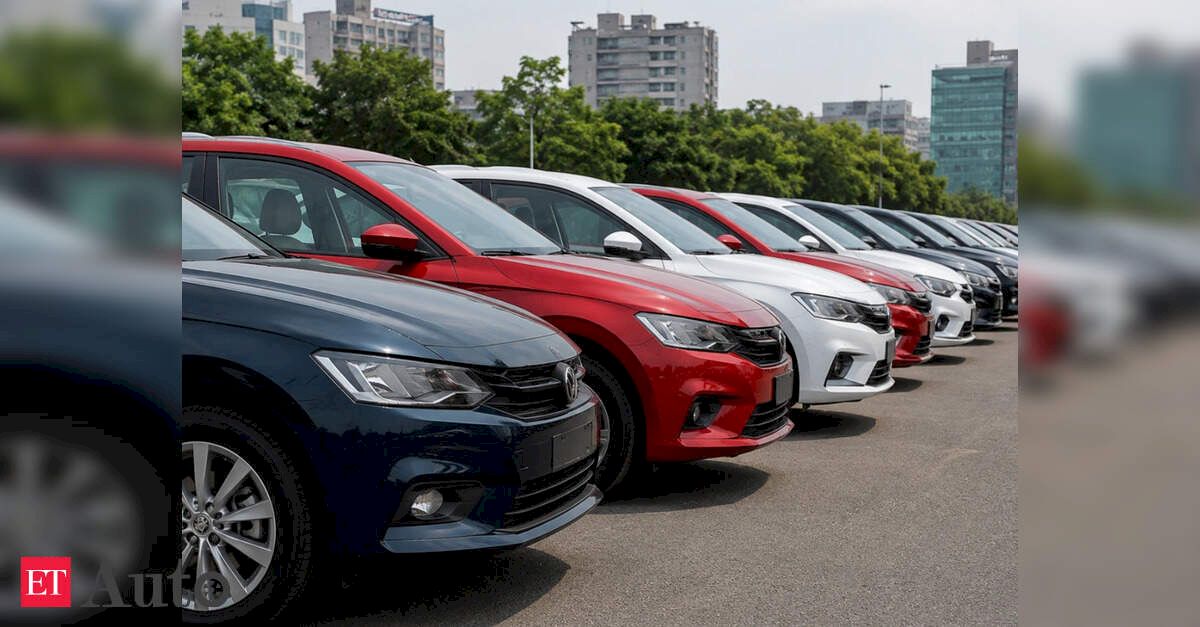
India’s proposed CAFE III rules are pushing carmakers to expand electric, hybrid and CNG offerings before implementation from April 2027. Fleet emissions could tighten by nearly 16% in 2027-28 and up to…
The Story in Brief
India’s proposed CAFE III rules are pushing carmakers to expand electric, hybrid and CNG offerings before implementation from April 2027. Fleet emissions could tighten by nearly 16% in 2027-28 and up to 30% by 2031-32. Maruti Suzuki plans product upgrades, more EVs, hybrids and hydrogen research, while Mahindra & Mahindra says battery EVs already form 12-15% of its portfolio. Hyundai Motor India is relying on EVs, CNG and hybrids, with six CNG models planned by 2030.

The rules may allow credits for over-compliance and strong hybrids, but non-compliance could attract penalties. ICRA reports that ICE-heavy carmakers face the greatest risk, with compliance requiring multi-year investment and potentially higher prices. The shift could also deliver projected fuel savings of Rs 38,000 crore.
The Indian Opinion
Claims that CAFE III will instantly make petrol cars unviable, or that EVs alone can solve the problem, are both too simplistic. Carmakers are choosing different mixes because costs, charging access and customer demand vary by segment. Buyers may face price increases as upgrades and compliance costs enter vehicles. The fair test is whether emissions fall without shutting out affordable cars. Watch the final notification and the first year’s fleet averages in 2027-28.
Source: auto.economictimes.indiatimes.com
This story was synthesised by AI from the source linked above.