














Now Reading: Caliphate almost became Indian institution in 1930s
-
01
Caliphate almost became Indian institution in 1930s


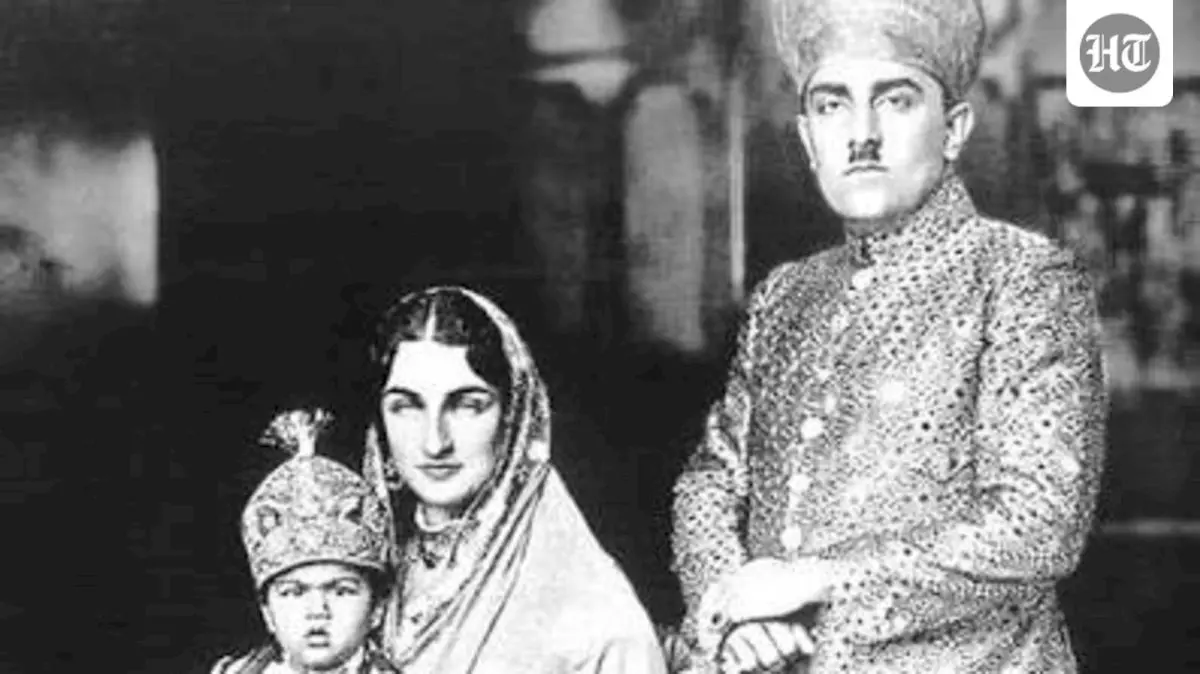
In the 1930s, after Turkey abolished the caliphate, the last Caliph Abdulmejid and Hyderabad's Nizam Mir Osman Ali Khan attempted to transfer the 1,300-year-old institution to India. The plan involved marrying Abdulmejid's…
The Story in Brief
In the 1930s, after Turkey abolished the caliphate, the last Caliph Abdulmejid and Hyderabad's Nizam Mir Osman Ali Khan attempted to transfer the 1,300-year-old institution to India. The plan involved marrying Abdulmejid's daughter Durrushehvar to the Nizam's eldest grandson, Prince Azam Jah, according to a new book by Imran Mulla, The Indian Caliphate. The wedding was held in Nice in November 1931.
The Nizam's legendary fortune was meant to fund the impoverished caliphate. Shaukat Ali, the Khilafat movement leader, persuaded Abdulmejid to pass the caliphate to the eldest male child of Azam Jah and Durrushehvar. The Hindu reports the British opposed the move. The Nizam built an Ottoman-style mausoleum in Khuldabad for Abdulmejid, but the last caliph was never buried there.
The Indian Opinion
The tale of a potential Indian caliphate sounds like exotic nostalgic lore. Yet the hyperbole that this would have given 'unprecedented importance to Indian Islam' overlooks the British veto. The real test of historical 'what ifs' is not romance but power. The British opposed it; it collapsed. The question for readers is: how many such quiet imperial vetoes shaped other Indian institutions we take for granted?
Source: hindustantimes.com
This story was synthesised by AI from the source linked above.