















Now Reading: CAQM enforces GRAP-3 in Delhi-NCR, hybrid classes for Class 5 and below
-
01
CAQM enforces GRAP-3 in Delhi-NCR, hybrid classes for Class 5 and below

CAQM enforces GRAP-3 in Delhi-NCR, hybrid classes for Class 5 and below

The Story in Brief
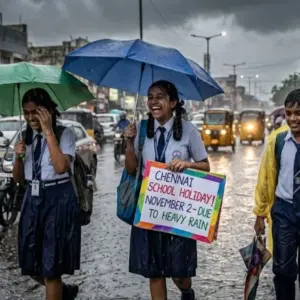
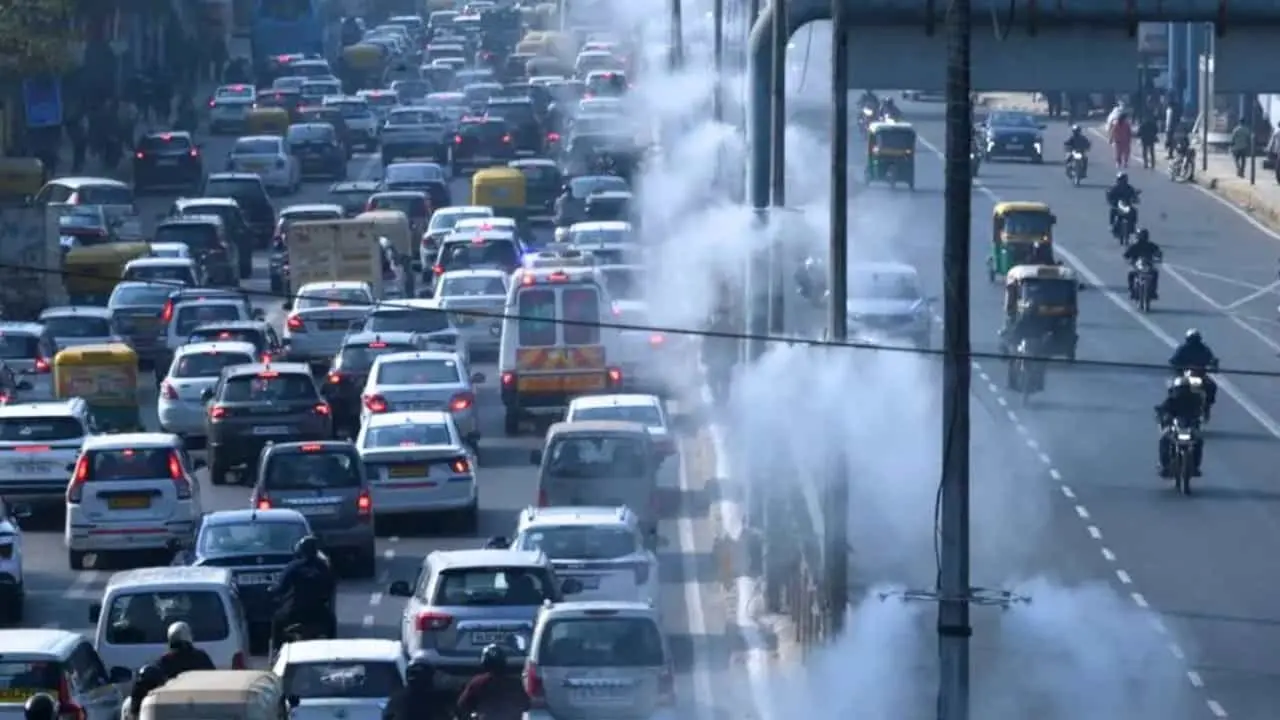
The Commission for Air Quality Management (CAQM) on Friday, 6 November, imposed Stage 3 of the Graded Response Action Plan (GRAP) across Delhi-NCR as the capital’s average air quality index (AQI) hit 382, classified as ‘very poor’ and nearing the ‘severe’ zone. Under the order, schools up to Class 5 in Delhi, Noida, Ghaziabad, Gurugram, Faridabad and Sonipat must operate in hybrid mode, allowing parents and students to choose between physical attendance and online classes. Environment Minister Manjinder Singh Sirsa, in a video message, urged parents to use the online option.
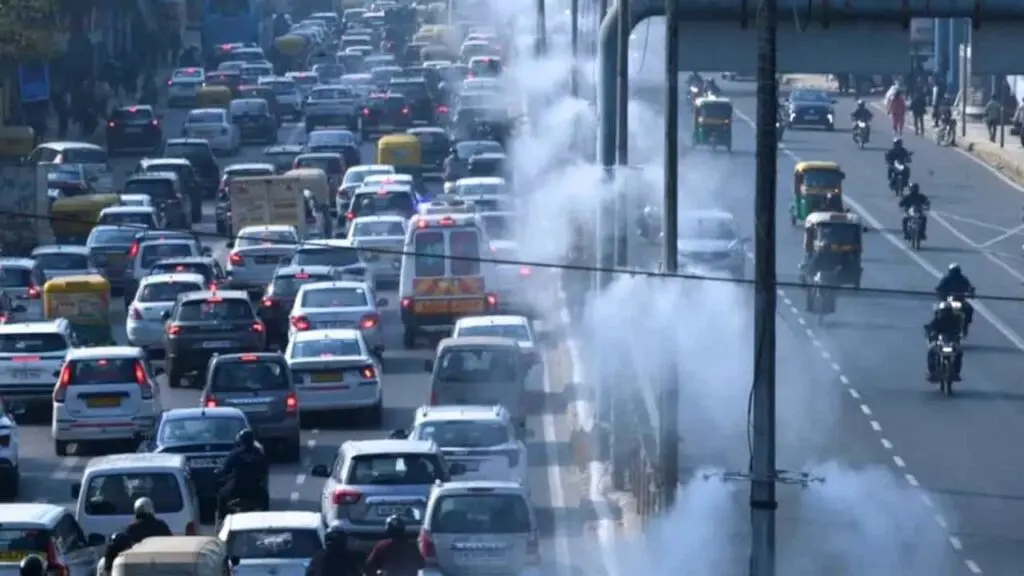
Stricter vehicle curbs have also been enforced: BS-III petrol vehicles and older, and BS-IV diesel vehicles and older, are banned in the listed cities. Delhi additionally bans BS-IV and older diesel medium goods vehicles, and older diesel light and medium goods vehicles registered outside the capital cannot enter. Vehicles adapted for personal use by persons with disabilities are exempt. Construction and dust-generating activities face tighter monitoring. The minister warned that lower wind speeds from Saturday, 7 November, could trap pollutants further.
Indian Opinion Analysis
GRAP-3 forces a choice on parents across Delhi-NCR: send children to physical school or keep them home for online classes, but the decision is theirs alone, not the government’s. The order covers only up to Class 5, leaving older students in full offline mode even as the city’s AQI sits at 382, a whisker from the ‘severe’ category. Vehicle restrictions on older petrol and diesel models target a major source of pollution, yet exemptions for adapted vehicles for persons with disabilities show the rules are not blanket. The real test will come in the coming days, when falling wind speeds, as warned by the environment minister, could push the AQI past 400 and force the next stage of GRAP.
Source: tv9hindi.com
This brief was synthesised by AI from the source linked above. Methodology and corrections.