










Now Reading: CBIC discusses sweeping GST 2.0 reforms with over 200 taxpayers in Chandigarh
-
01
CBIC discusses sweeping GST 2.0 reforms with over 200 taxpayers in Chandigarh

CBIC discusses sweeping GST 2.0 reforms with over 200 taxpayers in Chandigarh


The Story in Brief
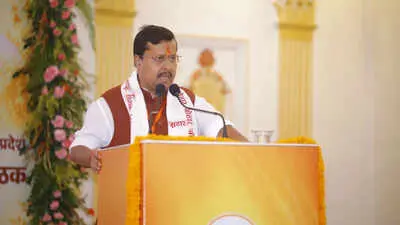
More than 200 taxpayers, industry representatives and tax professionals met CBIC top brass in Chandigarh on Friday (30 October 2026) to discuss reforms from the 57th GST Council meeting. CBIC Chairman Vivek Chaturvedi and Member Sanjay Mangal answered queries during an interactive session, while excise commissioners from Punjab and Himachal Pradesh also attended.
The 57th GST Council on 8 October approved sweeping changes including removing tax officers’ power to arrest, raising the criminal prosecution threshold to Rs 5 crore, and a three-day refund for most claims. A simpler registration process for small e-commerce suppliers and a committee to study invoice matching were also cleared. The reforms, part of the ‘Reform Express’ under Prime Minister Narendra Modi, take effect from 1 April 2027.
Indian Opinion Analysis
The turnout of over 200 taxpayers and officials suggests industry is actively engaging with the GST 2.0 overhaul rather than resisting it. Key reforms such as raising the prosecution threshold to Rs 5 crore and the three-day refund window directly address long-standing compliance grievances, though their success depends on how quickly the tax administration operationalises them from April 1, 2027. The programme also served as a channel for concerns about the transition to invoice matching for input tax credit, a complex change that still lacks a detailed roadmap from the committee formed to study it. With the Reform Express framework driving these changes under Prime Minister Modi, the burden is now on the CBIC to maintain this consultative momentum through the implementation phase.
Source: economictimes.indiatimes.com
This brief was synthesised by AI from the source linked above. Methodology and corrections.