


















Now Reading: Cabinet approves Rs 1,789.52 crore Intelligent Traffic Management System for Delhi
-
01
Cabinet approves Rs 1,789.52 crore Intelligent Traffic Management System for Delhi

Cabinet approves Rs 1,789.52 crore Intelligent Traffic Management System for Delhi

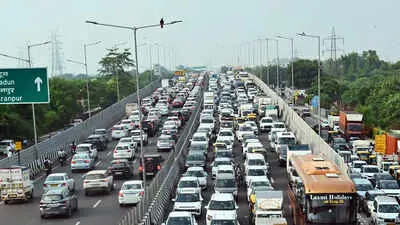
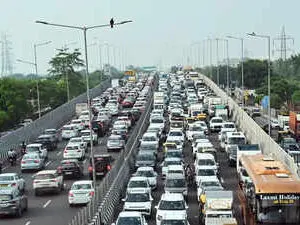
The Union Cabinet on Wednesday, 30 September 2026, approved an Intelligent Traffic Management System (ITMS) for Delhi at an estimated cost of Rs 1,789.52 crore. The project, to be implemented by Delhi…
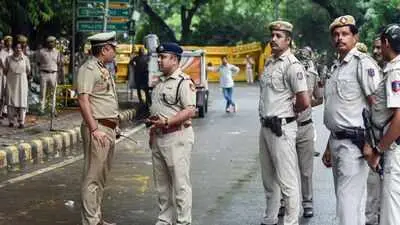
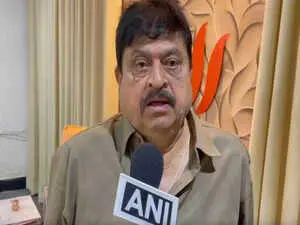
The Union Cabinet on Wednesday, 30 September 2026, approved an Intelligent Traffic Management System (ITMS) for Delhi at an estimated cost of Rs 1,789.52 crore. The project, to be implemented by Delhi Police, will cover 42 identified traffic corridors over 24 months in three phases, followed by five years of operation and maintenance. The Cabinet, chaired by Prime Minister Narendra Modi, cleared the project as a technology-led initiative to improve traffic management and urban mobility, Union Minister Ashwini Vaishnaw said.
The system will deploy 1,092 adaptive traffic signal locations and 1,029 enforcement locations. Features include real-time traffic monitoring, automated violation detection for offences such as speeding, red-light jumps and wrong-side driving, priority green corridors for ambulances, and commuter information through variable message boards. Centre for Development of Advanced Computing (C-DAC) will serve as the project management consultant. Delhi Police will select a Master System Integrator through competitive bidding to implement the project.
Indian Opinion Analysis
All four outlets report the Cabinet approval factually and in similar detail, with no discernible slant toward or against the government. The Hindu, Economic Times, Times of India and Business Line each lead with the cost, scope and implementing agency, and reproduce the minister's statements without challenge. The coverage is uniform straight reporting, emphasising the technical features, adaptive signals, enforcement locations, emergency vehicle priority, over any political or fiscal commentary. The project is presented as a technology upgrade to address congestion, with no source questioning the cost, timeline or efficacy. The next step is the competitive bidding for the Master System Integrator, which all sources note.
Coverage: 4 sources, 4 neutral
Sources (4): thehindu.com (neutral report), economictimes.indiatimes.com (neutral report), timesofindia.indiatimes.com (neutral report), thehindubusinessline.com (neutral report)
This brief was synthesised by AI from the 4 sources linked above, so one read covers every framing they carry. Methodology and corrections.
Update, 30 September 2026: this story now draws on 4 sources.