

















Now Reading: Centre front-loads Rs 1.41 trillion farm spending as El Nino risks loom
-
01
Centre front-loads Rs 1.41 trillion farm spending as El Nino risks loom

Centre front-loads Rs 1.41 trillion farm spending as El Nino risks loom


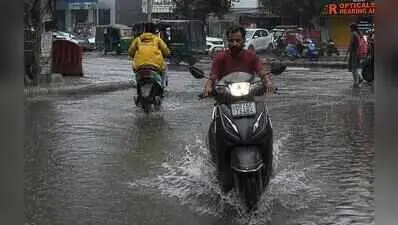
The central government has front-loaded agriculture spending, disbursing 21% of its full-year allocation of Rs 1.41 trillion in the April-June quarter, more than double the 9% spent in the same period last year, according to government data reviewed by Livemint. The department of fertilizers also spent 38% of its annual allocation by June, up from 26% a year ago. The move aims to cushion rural incomes and consumption against a weak monsoon and El Nino, which have left 47% of districts with deficient rainfall as of early August, the India Meteorological Department (IMD) said.
Union Agriculture Minister Shivraj Singh Chouhan, however, said on August 18 that the impact on kharif production is unlikely to be significant, as the sowing deficit has narrowed to less than 1% of the year-ago level. The Hindu Businessline reports that Chouhan noted rainfall was sufficient for crops in most parts and the number of vulnerable districts had fallen from 262 to about 100. He acknowledged localised impact in Karnataka and Telangana. Meanwhile, the European Centre for Medium-Range Weather Forecasts warned the best of the monsoon may be over, with El Nino strengthening, and private forecaster Skymet has cut its rainfall outlook to 85% of the long-period average, predicting a 70% chance of drought.
Indian Opinion Analysis
Livemint's story focuses on proactive government spending as a hedge against El Nino, citing experts who call the front-loading the right move. The Hindu Businessline leads with the agriculture minister's optimistic assessment that kharif crops face no significant impact, downplaying El Nino risk while noting the government's own sowing data shows near-normal coverage. Livemint emphasises the deficit and vulnerability (47% districts deficient), whereas The Hindu Businessline highlights the narrowing sowing gap and the minister's reassurance. A careful reader should note both narratives are consistent: the government is spending early precisely because it anticipates risk, while publicly projecting confidence. The real test will be the August-September rainfall, with IMD data and Skymet's drought forecast serving as key numbers to watch.
Coverage: 2 sources, 1 pro-government, 1 neutral
Sources (2): livemint.com (neutral report), thehindubusinessline.com (pro government)
This story was synthesised by AI from the 2 sources linked above. Methodology and corrections.
Updated: this story now draws on 2 sources.