











Now Reading: Monsoon deficit narrows to 9% but El Niño looms over agriculture
-
01
Monsoon deficit narrows to 9% but El Niño looms over agriculture

Monsoon deficit narrows to 9% but El Niño looms over agriculture

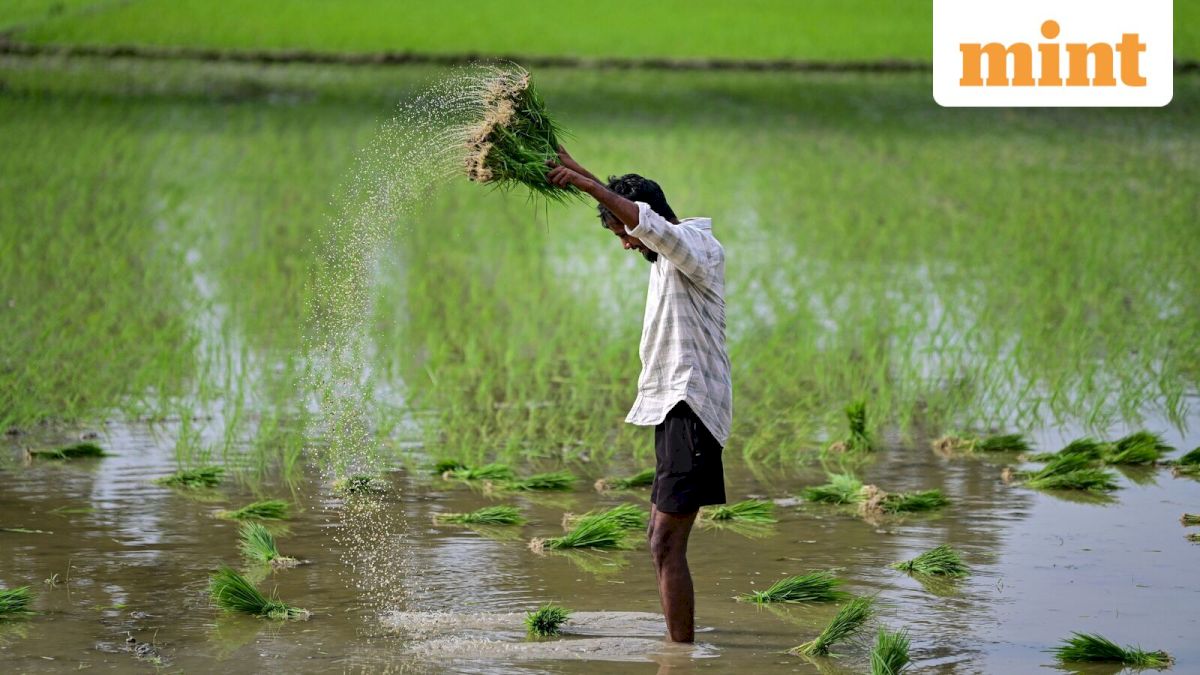
India's monsoon deficit has fallen to 9% of the long-term average, its lowest since June 5, thanks to an average first week of August that brought 63.1 mm of rain. July had…
The Story in Brief
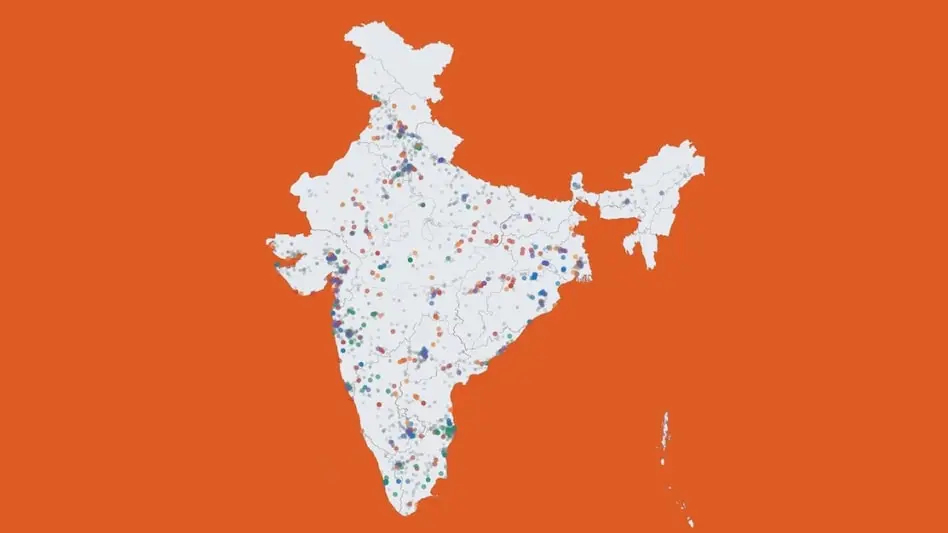
India's monsoon deficit has fallen to 9% of the long-term average, its lowest since June 5, thanks to an average first week of August that brought 63.1 mm of rain. July had already narrowed the deficit from 31% at the end of June to 16%, as kharif sowing caught up sharply. However, the all-India number hides wide regional variations: Karnataka has sown 28% less area than last year, while Bihar is up 10%. 49% of the country still faces deficient or large deficient rain this month, and 32% has excess or large excess, often falling on places ill-suited for it.
The El Niño phenomenon, expected to last into next year, remains a threat. Livemint reports that 13 of the 23 years since 1951-52 in which agricultural GVA declined were El Niño years. But the impact is muted overall as agriculture's share of GDP has shrunk to 17%. Structural problems such as climate change, rising pest resistance and soil degradation pose longer-term risks. Crops like cotton, with only 33% irrigated area, are far more vulnerable than sugarcane, which is 94% irrigated. States like Odisha, Chhattisgarh and Madhya Pradesh are least resilient to a poor monsoon, according to a CareEdge report.
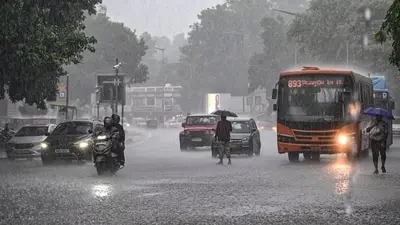
The Indian Opinion
The monsoon's recovery in July and early August is welcome, but the obsession with El Niño as the sole villain misses the bigger picture. Indian agriculture's real weakness is structural: half the cropped area still depends on rain, pest resistance is climbing, and soils are degrading. The current deficit of 9% is manageable, but uneven distribution, 49% of the country still deficient, shows how fragile the system is. The test now is not whether the monsoon ends above or below normal, but whether states like Odisha and Chhattisgarh can withstand a poor season without distress. Watch the reservoir levels and sowing data for August-end.
Sources (2): livemint.com, hindustantimes.com
This story was synthesised by AI from the 2 sources linked above.
Updated: this story now draws on 2 sources.