



















Now Reading: Chandigarh Housing Board residents seek one-time regularisation on Delhi lines
-
01
Chandigarh Housing Board residents seek one-time regularisation on Delhi lines

Chandigarh Housing Board residents seek one-time regularisation on Delhi lines

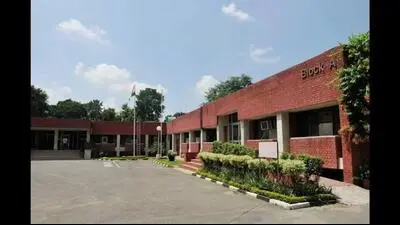
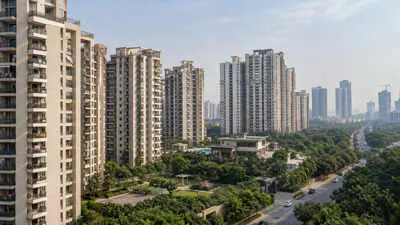
Residents of Chandigarh Housing Board (CHB) MIG and LIG flats on Tuesday urged a high-level committee to regularise decades-old modifications through a compounding scheme instead of demolition. The panel, formed in May after the UT administration stayed over 15,000 demolition notices, heard around 40 RWA representatives.
Residents cited the Delhi Development Authority's approach and sought one-time regularisation of covered areas, beautified incidental spaces, and galleries, subject to structural safety and no obstruction to public passage or drainage.
CHB secretary Sorabh Arora said all legal and safety aspects are being examined. The committee meeting continues on Wednesday.
Indian Opinion Analysis
The Chandigarh Housing Board operates under the UT administration, which has the final say on housing policy. The parallel with Delhi is significant: the Delhi Development Authority introduced a one-time compounding scheme in 2018-19, regularising unauthorised constructions on payment of a fee, thus avoiding mass demolitions. The key tension here is between structural safety norms and the practical reality of houses built decades ago when family sizes were smaller. The committee's report, due after Wednesday's session, will decide whether the UT administration extends a similar amnesty. The number to watch is how the committee classifies modifications into compoundable and non-compoundable categories.
Source: hindustantimes.com
This brief was synthesised by AI from the source linked above. Methodology and corrections.